Category: Health

  • Sports Massage Berlin: Enhance Your Performance and Recovery

    Sports Massage Berlin: Enhance Your Performance and Recovery

    Understanding Sports Massage and Its Benefits

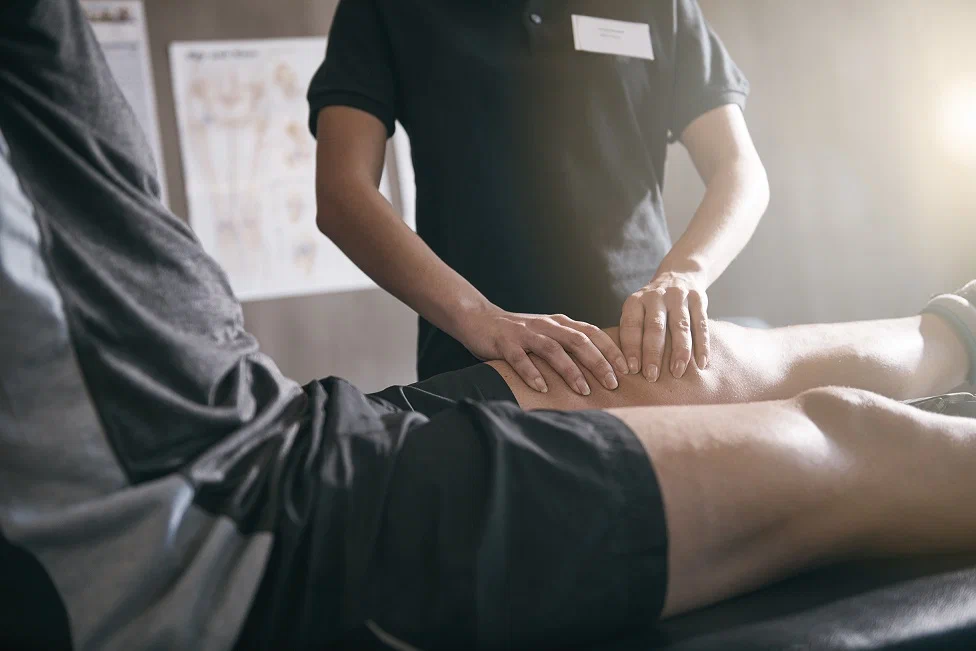
    Sports massage is a therapeutic approach designed to enhance athletic performance, prevent injuries, and aid in recovery. Unlike regular massages, sports massage targets specific muscle groups used during physical activities, helping to relieve tension, improve flexibility, and reduce soreness.

    If you are looking for effective pain relief and improved mobility, Sports Massage Berlin offers tailored treatments to meet your unique needs.

    Why Athletes Choose Sports Massage Berlin

    Athletes and fitness enthusiasts often deal with muscle fatigue, stiffness, and injuries. Sports massage provides numerous benefits that make it a preferred choice:

    • Injury Prevention: By improving blood flow and flexibility, sports massage reduces the risk of strains and sprains.
    • Enhanced Recovery: After intense workouts or competitions, sports massage accelerates muscle repair and reduces soreness.
    • Improved Performance: Regular treatments optimize muscle function, allowing athletes to perform at their peak.
    • Stress Reduction: It also helps alleviate mental stress, promoting relaxation and focus.

    Exploring Massage Prenzlauer Berg for Localized Relief

    Located in a vibrant district, Massage Prenzlauer Berg offers specialized services that cater to the diverse needs of Berlin residents. Whether you are recovering from an injury or seeking relaxation, Prenzlauer Berg is the go-to destination for quality massage therapy.

    How Sports Massage Addresses Common Issues

    Muscle Soreness and Fatigue

    Sports massage focuses on deep tissue manipulation, which aids in breaking down lactic acid buildup and improving oxygen delivery to muscles.

    Improved Flexibility and Range of Motion

    Stretching and kneading techniques enhance muscle elasticity, allowing for a greater range of motion and reduced stiffness.

    Pain Management

    By targeting specific problem areas, sports massage provides relief from chronic pain conditions like shoulder strain or lower back pain.

    Tips for Maximizing the Benefits of Sports Massage

    To make the most out of your sports massage sessions, follow these actionable tips:

    1. Stay Hydrated: Drinking water before and after your massage helps flush out toxins released during the session.
    2. Stretch Regularly: Complement your massage with daily stretching exercises to maintain flexibility.
    3. Communicate with Your Therapist: Share details about any injuries or discomfort to ensure the massage is tailored to your needs.
    4. Schedule Regular Sessions: Consistent treatments maximize the long-term benefits of sports massage.

    Frequently Asked Questions (FAQ)

    What is the difference between sports massage and regular massage?

    Sports massage specifically targets muscle groups used in physical activities, focusing on improving performance and recovery, whereas regular massage is more about relaxation.

    Can non-athletes benefit from sports massage?

    Absolutely. Sports massage is beneficial for anyone experiencing muscle tension, soreness, or stress, regardless of their fitness level.

    How often should I get a sports massage?

    This depends on your activity level. Athletes may benefit from weekly sessions, while casual exercisers might consider monthly treatments.

    Conclusion: Experience the Best in Berlin

    Whether you are an athlete aiming to boost performance or someone seeking relief from muscle pain, sports massage can be transformative. Sports Massage Berlin and Massage Prenzlauer Berg provide expert care to help you achieve your wellness goals.

    Ready to relieve your pain and enhance your recovery? Book your sports massage in Berlin today and experience the difference!

  • The Understated Importance of Sunscreen for Melanin-Rich Skin Tones

    The Understated Importance of Sunscreen for Melanin-Rich Skin Tones

    Introduction: Sunscreen, A Melanin Misconception

    Let’s shatter a widely held myth: melanin-rich skin tones don’t need sunscreen. This couldn’t be farther from the truth. While melanin does offer some natural protection against harmful UV rays, this is not a carte blanche to skip sunscreen altogether. This is important as many people of color skip this crucial step all together. Other myths linked to this are that people of color do not get skin cancer. This is also false.

    Understanding the Terminology: UVA, UVB, UVC, and Broad Spectrum

    Before we dive in, lets quickly run through some of the standard sun protection terminologies. Let’s break it down: UVA rays are long-wave rays that penetrate deep into the dermis, the skin’s thickest layer. They play a significant role in premature skin aging and the formation of wrinkles. UVB rays are shorter-wave rays that mostly affect the outermost layers of the skin, causing sunburns and contributing to the risk of skin cancer.

    UVC rays are generally not a concern as they are absorbed by the Earth’s atmosphere and don’t reach us.

    Now, when we talk about broad-spectrum sunscreen, we refer to a product that offers protection against both UVA and UVB rays. A broad-spectrum formula ensures that you’re getting comprehensive sun protection, safeguarding against both immediate damage like sunburn and long-term issues like premature aging. For melanin-rich skin, a broad-spectrum sunscreen offers an all-encompassing shield against the varying dangers of sun exposure.

    Why Melanin Isn’t Sufficient

    Melanin’s protective capacity is often overestimated. It’s important to note that melanin doesn’t safeguard against all the damages caused by UV rays, such as photoaging, DNA damage, or the risk of skin cancers. Over-reliance on melanin can often lead to unintended consequences like hyperpigmentation, premature aging, and even increase the risk of skin cancer. Thus, irrespective of the melanin levels in your skin, sunscreen is not optional; it’s imperative.

    Photoprotection: Going Beyond Melanin

    While melanin is a natural shield, incorporating sunscreen like Ututu Moisturiser with SPF for Dark Skin Tones can provide a secondary layer of protection that is crucial for melanin-rich skin.

    This double-edged approach—relying on both melanin and sunscreen—ensures that your skin stays protected from the myriad complications that prolonged exposure to the sun can induce. Not only does this mitigate the risk of skin cancer, but it also protects the skin from premature signs of aging.

    The Science of Sunscreen and Melanin

    Understanding the synergy between sunscreen and melanin is crucial. Certain active ingredients in sunscreens are formulated to scatter or absorb the harmful rays, acting as an adjunct to the natural melanin in the skin. Sunscreens sometimes have added benefits like moisturization and rejuvenation, making them multi-faceted products that align perfectly with the needs of melanin-rich skin.

    How to Choose the Right Sunscreen

    Not all sunscreens are created equal, especially when catering to melanin-rich skin tones. Many mainstream sunscreens leave a white cast or are too oily, which can be problematic for darker skin tones. Opt for broad-spectrum sunscreens that have been dermatologically tested and are specifically designed for melanin-rich skin. VOUEE’s Ututu Moisturizer is an excellent choice in this regard, offering broad-spectrum protection without the white cast.

    The Long-term Benefits

    Incorporating sunscreen into your daily skincare routine can result in visible long-term benefits, including a balanced skin tone, reduced hyperpigmentation, and lesser fine lines and wrinkles. If you are tackling any of these skin concerns with oils, serums, creams, it is important to ensure you are finishing up with a product that has sun protection. Moreover, consistent sunscreen use can reduce the risk of developing skin cancer, particularly melanoma, which is notably more deadly in people with darker skin tones.

    Conclusion: An Ounce of Prevention

    In the larger landscape of skincare for melanin-rich tones, sunscreen should not be an afterthought but a pivotal part of your daily routine. Brands like VOUEE are making strides in offering products that not only protect but also nourish the skin, emphasizing the ethos of holistic skincare. For a more comprehensive understanding of skincare tailored to melanin-rich tones, feel free to browse through this melanin-focused brand which offers an array of articles, tips, and guides that help you make informed decisions about your skin.

    By prioritizing sunscreen, we’re not just protecting our skin but also embracing a culture of preventative health. It’s high time we lay the myth to rest and celebrate the bond between sunscreen and melanin-rich skin tones.

  • The Role of Chiropractors and Orthopedic Specialists in Sports Medicine

    The Role of Chiropractors and Orthopedic Specialists in Sports Medicine

    Are you an athlete looking to maximize your performance and prevent injuries? Look no further than chiropractors and orthopedic specialists’ crucial role in sports medicine. These healthcare professionals are not just for the injured; they are integral to the athlete’s journey toward optimal physical well-being. Chiropractors specialize in diagnosing and treating musculoskeletal conditions, utilizing manual adjustments and techniques to align the body and enhance its function. On the other hand, orthopedic specialists focus on preventing, diagnosing, and treating injuries and disorders affecting the musculoskeletal system. 

    Together, these experts form a dynamic duo, working collaboratively to keep athletes in peak condition. Whether it’s a sprained ankle, a shoulder injury, or a spinal misalignment, chiropractors and orthopedic specialists possess the expertise to provide personalized care and rehabilitation plans that cater to each athlete’s unique needs. So, suppose you’re serious about excelling in your sport and staying injury-free. In that case, it’s time to tap into the invaluable services offered by chiropractors and orthopedic specialists in sports medicine.

    Understanding Chiropractors And Orthopedic Specialists

    Chiropractors and orthopedic specialists are healthcare professionals who play a vital role in sports medicine. However, their areas of expertise and treatment modalities differ. Chiropractors are highly trained in diagnosing and treating musculoskeletal conditions, with a strong focus on spinal health. They utilize manual adjustments and techniques to realign the spine, relieve pain, and improve overall function. Orthopedic specialists, on the other hand, are medical doctors who specialize in preventing, diagnosing, and treating injuries and disorders affecting the musculoskeletal system, including bones, muscles, ligaments, tendons, and joints. They may employ a combination of surgical and non-surgical interventions to manage sports-related injuries. Both chiropractors and orthopedic specialists are dedicated to helping athletes perform at their best and recover from injuries effectively.

    Chiropractors undergo extensive training and education to become experts in their field. They typically hold a Doctor of Chiropractic (D.C.) degree and are licensed healthcare professionals. Chiropractic care is based on the principle that the body has an innate ability to heal itself when the spine and nervous system are functioning optimally. Chiropractors use various techniques to restore balance and alignment to the musculoskeletal system, including spinal and back adjustments, soft tissue manipulation, and therapeutic exercises. These treatments can alleviate pain, improve range of motion, promote healing, and enhance overall performance.

    Orthopedic specialists, on the other hand, are medical doctors who specialize in diagnosing and treating musculoskeletal conditions. They have completed medical school and a residency program in orthopedic surgery. Orthopedic specialists may focus on specific areas of the body, such as the spine, shoulder, knee, or hand, and have advanced knowledge and training in their respective areas of specialization. They employ various diagnostic tools, such as imaging tests and physical examinations, to accurately diagnose sports injuries and develop appropriate treatment plans. Depending on the severity of the injury, orthopedic specialists may recommend conservative treatments, such as physical therapy or bracing, or more invasive interventions, such as surgery.

    In sports medicine, chiropractors and orthopedic specialists often work together to provide comprehensive care for athletes. Their combined expertise allows for a multidisciplinary approach to injury prevention, diagnosis, and treatment. While chiropractors focus on optimizing the body’s biomechanics and spinal health, orthopedic specialists specialize in managing acute injuries and providing surgical intervention when necessary. This collaborative approach ensures that athletes receive the most effective and appropriate care for their needs.

    The Role of Chiropractors in Sports Medicine

    Chiropractors play a crucial role in sports medicine by helping athletes maintain optimal function and performance. Whether it’s a professional athlete or a weekend warrior, chiropractic care can benefit individuals of all levels of athleticism. Chiropractors are trained to identify and treat musculoskeletal imbalances and misalignments that can hinder performance and increase the risk of injury. By utilizing manual adjustments and other techniques, chiropractors can restore proper alignment to the spine and joints, relieve muscle tension, and improve overall biomechanics.

    One of the primary benefits of chiropractic care for athletes is the enhancement of joint mobility and flexibility. Athletes often put their bodies through rigorous training and repetitive movements, leading to joint restrictions and limited range of motion. Chiropractic adjustments can help restore proper joint function, allowing athletes to move more freely and efficiently. Improved joint mobility can also reduce the risk of overuse injuries and enhance athletic performance.

    Chiropractors also provide valuable preventive care for athletes. Regular chiropractic adjustments help identify and address imbalances and weaknesses before they develop into more significant issues. By addressing these underlying problems, chiropractors can help athletes improve their overall stability, balance, and coordination, reducing the risk of falls and injuries during training and competitions.

    In addition to preventive care, chiropractic treatment can also aid in rehabilitating sports injuries. Whether it’s a sprained ankle, a strained muscle, or a herniated disc, chiropractors can develop personalized treatment plans to promote healing and restore function. They may incorporate various modalities, such as soft tissue manipulation, therapeutic exercises, and electrical stimulation, to accelerate recovery. Chiropractic care can also help manage pain and inflammation associated with sports injuries, allowing athletes to return to their sport sooner and with reduced discomfort.

    The Role of Orthopedic Specialists in Sports Medicine

    Orthopedic specialists are essential in sports medicine, focusing on preventing, diagnosing, and treating sports-related injuries. Their expertise in musculoskeletal conditions allows them to provide specialized care for athletes, ensuring optimal recovery and performance. Orthopedic specialists may specialize in specific areas of the body, such as the knee, shoulder, or spine, and have in-depth knowledge of each area’s unique challenges and injuries.

    One of the primary roles of orthopedic specialists in sports medicine is accurately diagnosing injuries. Athletes often experience many injuries, from minor sprains and strains to more severe fractures and dislocations. Orthopedic specialists employ various diagnostic techniques, such as X-rays, MRIs, and physical examinations, to determine the extent and nature of the injury. This information is crucial in developing an appropriate treatment plan and guiding the athlete’s rehabilitation process.

    Orthopedic specialists also provide surgical intervention when necessary. While many sports injuries can be effectively managed with conservative treatments, such as physical therapy, medication, and bracing, some cases may require surgical repair. Orthopedic surgeons have the expertise to perform procedures, such as arthroscopic surgery, joint replacement, and ligament reconstruction, to restore function and stability to injured areas. These surgical interventions can significantly impact an athlete’s ability to return to their sport and perform at their pre-injury level.

    In addition to surgical interventions, orthopedic specialists oversee rehabilitation following an injury or surgery. They work closely with physical therapists and other healthcare professionals to develop comprehensive rehabilitation programs that address the specific needs of each athlete. These programs typically focus on improving strength, flexibility, and functional movement to ensure a safe and successful return to sport. Orthopedic specialists monitor the progress of the rehabilitation process, making any necessary adjustments to the treatment plan to optimize recovery.

    Overall, orthopedic specialists are instrumental in the management of sports-related injuries. Their expertise in musculoskeletal conditions and surgical interventions allows them to provide athletes with the most effective and appropriate care, ensuring optimal recovery and long-term success.

    Common Sports Injuries Treated By Chiropractors And Orthopedic Specialists

    Both chiropractors and orthopedic specialists are well-equipped to treat a wide range of sports injuries. While their treatment modalities may differ, their primary goal is to alleviate pain, promote healing, and restore function. Some of the most common sports injuries treated by chiropractors and orthopedic specialists include:

    1. Sprains and strains: These injuries involve stretching or tearing ligaments (sprains), muscles, and tendons (strains). Chiropractors may use manual adjustments, soft tissue techniques, and therapeutic exercises to promote healing and restore function. Orthopedic specialists may recommend bracing, physical therapy, or surgical intervention, depending on the severity of the injury.
    2. Fractures: Fractures occur when there is a break in a bone. Orthopedic specialists are trained to accurately diagnose fractures and provide appropriate treatment, including casting, bracing, or surgery.
    3. Dislocations: Dislocations occur when a joint is forced out of its normal position. Orthopedic specialists are skilled in reducing dislocations and ensuring the joint is stabilized and properly aligned.
    4. Tendonitis: Tendonitis is the inflammation of a tendon, often due to overuse or repetitive motions. Chiropractors may use soft tissue techniques, such as myofascial release or instrument-assisted soft tissue mobilization, to alleviate pain and promote healing. Orthopedic specialists may recommend rest, physical therapy, or corticosteroid injections.
    5. Rotator cuff injuries: The rotator cuff is a group of muscles and tendons that stabilize the shoulder joint. Both chiropractors and orthopedic specialists can treat rotator cuff injuries, ranging from conservative measures, such as physical therapy and exercise, to surgical repair.
    6. Knee injuries: Chiropractors and orthopedic specialists can address a variety of knee injuries, including ligament tears (such as the ACL or MCL), meniscus tears, and patellofemoral pain syndrome. Treatment options may include bracing, physical therapy, and, in some cases, surgical repair.

    These are just a few examples of sports injuries that chiropractors and orthopedic specialists can effectively treat. Regardless of the specific injury, seeking timely and appropriate care from these healthcare professionals is crucial for optimal recovery and long-term athletic success.

    Diagnostic Techniques Used By Chiropractors And Orthopedic Specialists

    Accurate diagnosis is the foundation of effective treatment for sports-related injuries. Both chiropractors and orthopedic specialists utilize various diagnostic techniques to assess the nature and extent of an injury. These techniques help guide treatment decisions and ensure athletes receive the most appropriate care.

    Chiropractors primarily rely on a thorough physical examination and patient history to diagnose musculoskeletal conditions. They assess the spine and other joints for misalignments, restrictions, and areas of tenderness. Through palpation and range of motion tests, chiropractors can identify areas of dysfunction and determine the underlying cause of pain or limited function. In some cases, chiropractors may also order diagnostic imaging, such as X-rays or MRIs, to obtain a more accurate view of the musculoskeletal structures.

    As medical doctors, orthopedic specialists can access a broader range of diagnostic tools. They may use physical examinations, patient history, and diagnostic imaging to diagnose sports injuries accurately. X-rays are commonly used to assess fractures or dislocations. At the same time, MRIs provide detailed images of soft tissues, such as ligaments and tendons. CT scans and ultrasounds may also obtain additional information about the injury.

    Advanced diagnostic procedures may sometimes be necessary to evaluate complex or chronic injuries. For example, arthroscopy is a minimally invasive procedure commonly performed by orthopedic specialists to visualize and diagnose injuries within a joint. This procedure involves inserting a small camera into the joint, allowing the surgeon to assess the extent of the injury and guide treatment decisions.

    Regardless of the specific diagnostic techniques used, chiropractors and orthopedic specialists prioritize accuracy and thoroughness in their assessments. By clearly understanding the injury, these healthcare professionals can develop personalized treatment plans that address each athlete’s unique needs.

    Treatment Options Provided By Chiropractors For Sports Injuries

    Chiropractors offer a range of treatment options for sports injuries tailored to the individual needs of each athlete. These treatments aim to alleviate pain, promote healing, and restore function, allowing athletes to return to their sport as quickly and safely as possible. Some of the common treatment options provided by chiropractors include:

    • Manual adjustments: Chiropractic adjustments involve applying controlled, sudden force to specific joints to restore proper alignment and function. These adjustments can relieve pain, reduce inflammation, and improve joint mobility. Chiropractors may use their hands or specialized instruments to perform adjustments.
    • Soft tissue techniques: Chiropractors employ various techniques to address muscle imbalances, tension, and injuries. These techniques may include myofascial release, trigger point therapy, and instrument-assisted soft tissue mobilization. By manipulating the soft tissues, chiropractors can relieve pain, reduce muscle tightness, and improve overall function.
    • Therapeutic exercises: Chiropractors often prescribe specific exercises to strengthen weakened muscles, improve flexibility, and enhance overall stability. These exercises are tailored to the individual needs of each athlete. They are an essential component of rehabilitation and injury prevention.
    • Electrical stimulation: Electrical stimulation, such as transcutaneous electrical nerve stimulation (TENS), may alleviate pain and promote healing in certain sports injuries. This treatment involves applying electrical currents to the affected area, which can help reduce pain signals and stimulate tissue repair.
    • Nutritional counseling: Chiropractors recognize the importance of nutrition in overall health and athletic performance. They may guide proper nutrition, supplementation, and hydration to support optimal healing and recovery.

    Chiropractors approach sports injury treatment holistically, addressing the immediate symptoms and underlying causes. They work closely with athletes to develop personalized treatment plans encompassing various modalities, promoting overall well-being and long-term athletic success.

    Treatment Options Provided By Orthopedic Specialists For Sports Injuries

    Orthopedic specialists provide a wide range of treatment options for sports injuries, tailoring their approach to the specific needs of each athlete. These treatments aim to alleviate pain, promote healing, and restore function, allowing athletes to return to their sport safely and efficiently. Some of the common treatment options provided by orthopedic specialists include:

    • Non-surgical interventions: Many sports injuries can be effectively managed with non-surgical interventions. Orthopedic specialists may recommend conservative treatments, such as physical therapy, medication, bracing, or immobilization. These interventions reduce pain, improve function, and promote healing without surgery.
    • Surgical interventions: In some cases, surgical intervention may be necessary to repair severe or complex sports injuries. Orthopedic surgeons have the expertise to perform various procedures, such as arthroscopic surgery, hip replacement, ligament reconstruction, or fracture fixation. These surgeries aim to restore stability and function and return athletes to their pre-injury level of performance.
    • Arthroscopic surgery: A minimally invasive procedure commonly used by orthopedic specialists to diagnose and treat sports injuries. It involves making small incisions and using a tiny camera called an arthroscope to visualize and repair damaged tissues, such as torn ligaments or cartilage. This technique reduces post-operative pain, minimizes scarring, and allows for a faster recovery compared to traditional open surgery.
    • Joint replacement surgery: May be recommended for athletes with severe joint damage, such as advanced arthritis. Orthopedic specialists can replace the damaged joint with an artificial joint made of metal or plastic, relieving pain and improving joint function. Joint replacement surgery can significantly enhance an athlete’s quality of life and enable them to return to their sport with reduced pain and increased mobility.
    • Ligament reconstruction: A surgical procedure commonly performed for injuries like ACL (anterior cruciate ligament) tears. Orthopedic specialists use grafts, usually taken from the patient’s tissue or a donor, to reconstruct the torn ligament and restore stability to the joint. This surgery is crucial for athletes participating in sports that require quick changes in direction or pivoting movements.
    • Fracture fixation: Involves aligning broken bones and stabilizing them using various techniques, such as screws, plates, or rods. Orthopedic specialists meticulously position the fractures to ensure proper healing and optimal function. They may also use advanced techniques, such as minimally invasive fracture fixation or external fixation, depending on the type and location of the fracture.

    In addition to these surgical interventions, orthopedic specialists may incorporate other specialized techniques to promote healing and rehabilitation. These may include regenerative medicine approaches like platelet-rich plasma (PRP) therapy or stem cell injections. PRP therapy involves using the patient’s concentrated platelets to stimulate tissue repair and accelerate healing. Stem cell injections utilize the body’s regenerative cells to promote tissue regeneration and enhance healing.

    Orthopedic specialists work closely with physical therapists and other healthcare professionals to develop comprehensive rehabilitation plans for athletes recovering from sports injuries. These plans may include targeted exercises, manual therapy techniques, and modalities like heat or cold therapy to optimize recovery, regain strength, and restore functional abilities.

    Overall, orthopedic specialists provide a wide range of treatment options for sports injuries, utilizing both non-surgical and surgical interventions tailored to the specific needs of athletes. Their expertise in diagnosing, treating, and rehabilitating sports-related injuries is crucial in helping athletes recover and return to their sport with improved performance and reduced risk of future injuries.

  • Finding the Right Facial Plastic Surgeon: Your Guide to Exceptional Results

    Finding the Right Facial Plastic Surgeon: Your Guide to Exceptional Results

    ‍Are you thinking about having facial plastic surgery to enhance your appearance? Finding the right facial plastic surgeon is crucial for achieving exceptional results and ensuring safety. With the many options available, navigating through the choices can feel overwhelming. That’s where we come in. Our comprehensive guide is designed to help you make an informed decision and find the perfect surgeon to bring your vision to life.

    Understanding the Importance of Choosing the Right Facial Plastic Surgeon

    When it comes to facial plastic surgery, selecting the right surgeon is paramount. Your face is a delicate and highly visible area, and any complications or unsatisfactory results can significantly impact your self-esteem and overall well-being. Therefore, it’s crucial to take the time to thoroughly research and carefully evaluate potential surgeons before making a decision.

    One of the primary reasons for choosing the right facial plastic surgeon is to ensure your safety. Facial plastic surgery procedures, such as North Texas rhinoplasty, facelifts, and eyelid surgery, require a high level of skill and expertise. A qualified and experienced surgeon will have the necessary training to perform these procedures safely and minimize the risk of complications.

    Another reason to choose the right surgeon is to achieve exceptional results. Facial plastic surgery is a highly specialized field, and not all surgeons have the same level of skill and artistry. A surgeon with expertise in facial aesthetics will understand the nuances of facial anatomy and be able to create natural-looking results that enhance your features rather than appearing artificial or overdone.

    Lastly, choosing the right facial plastic surgeon ensures a positive experience throughout your surgical journey. A skilled and compassionate surgeon will take the time to understand your goals and expectations, answer your questions, and provide personalized care. Building a trusting and comfortable relationship with your surgeon is essential for a successful outcome.

    Key Qualities to Look for in a Facial Plastic Surgeon

    When searching for a facial plastic surgeon, there are several qualities to look for to ensure you’re making the right choice. Here are some key factors to consider:

    1. Board Certification: Choosing a board-certified surgeon in facial plastic surgery is important. Board certification indicates that the surgeon has undergone rigorous training and has met specific standards of excellence in their field.
    2. Experience: Look for a surgeon with significant experience performing the specific procedure you’re interested in. Experience brings expertise, and a surgeon who has successfully performed many surgeries will likely have a better understanding of the intricacies of the procedure.
    3. Reputation: Research the surgeon’s reputation within the medical community and among previous patients. Look for reviews and testimonials online, and pay attention to any negative feedback or complaints. A surgeon with a positive reputation is more likely to deliver exceptional results.
    4. Communication Skills: Choose a surgeon who listens to your concerns, answers your questions, and explains the procedure clearly and understandably. Effective communication is essential for establishing trust and understanding your goals and expectations.
    5. Artistic Eye: Facial plastic surgery is as much an art form as a medical procedure. Look for a surgeon with a keen artistic eye who understands facial aesthetics and can create harmonious and natural results.

    Researching and Evaluating Potential Surgeons

    Once you have a list of potential facial plastic surgeons, it’s time to delve deeper into their qualifications and expertise. Here are some steps you can take to research and evaluate potential surgeons:

    • Check Credentials and Certifications: Verify that the surgeon is board-certified in facial plastic surgery. Board certification ensures that the surgeon has completed the necessary training and has met the highest standards of excellence in their field.
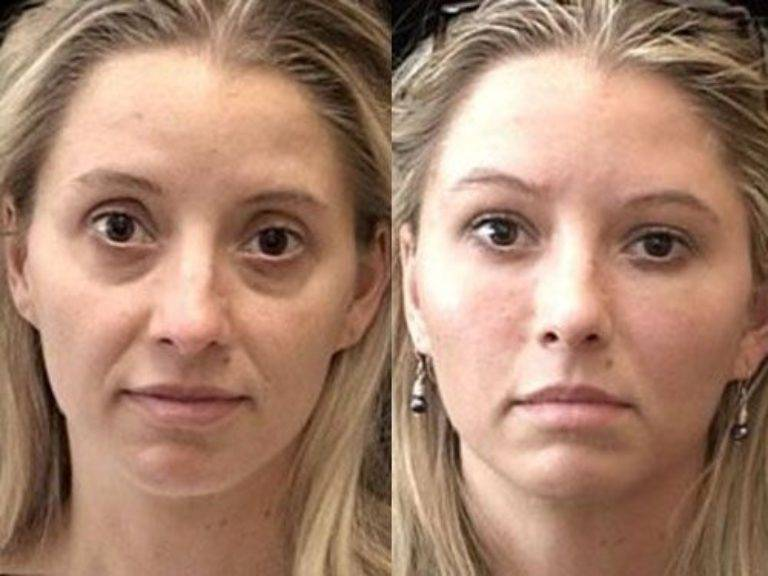
    • Review Before and After Photos: Look for before and after photos of previous patients who have undergone the same procedure you’re considering. Pay attention to the overall improvement in their appearance and the naturalness of the results. This will give you an idea of the surgeon’s skill and artistic ability. When reviewing these photos, keep the following in mind: consistency, variety, and naturalness.
    • Read Patient Reviews and Testimonials: Look for reviews and testimonials from previous patients. Pay attention to their experiences, satisfaction with the results, and overall impression of the surgeon and their staff. This will help you gauge the surgeon’s reputation and patient satisfaction rate. When reviewing patient testimonials and reviews, remember the following points: Authenticity, Consistency, Satisfaction, and Similar Concerns.
    • Schedule Consultations: Once you have narrowed your list of potential surgeons, schedule consultations with each. This will allow you to meet the surgeon, ask questions, and assess their communication style and bedside manner.

    Consultations and Asking the Right Questions

    Once you have narrowed your list of potential surgeons, it’s time to schedule consultations. Consultations are an excellent opportunity to meet the surgeon in person, ask questions, and assess their suitability for your needs. Here are some questions you may consider asking during your consultations:

    1. Are you board-certified in facial plastic surgery? Ensure that the surgeon has undergone the necessary training and has met the highest standards of excellence in their field.
    2. How many procedures of this type have you performed? Experience is crucial when it comes to facial plastic surgery. A surgeon with significant experience performing the specific procedure you’re interested in is more likely to deliver exceptional results.
    3. What is your approach to this procedure? Understanding the surgeon’s approach and techniques will give you an idea of their expertise and ability to tailor the procedure to your unique needs.
    4. Can I see before and after photos of previous patients undergoing the same procedure? Reviewing before and after photos will help you assess the surgeon’s skill and ability to achieve the desired results.
    5. What are the potential risks and complications associated with the procedure? It’s essential to clearly understand the potential risks and complications involved in the procedure. A transparent surgeon will provide and discuss this information in detail.

    Understanding the Surgeon’s Approach and Techniques

    When choosing a facial plastic surgeon, it’s important to understand their approach and techniques. Each surgeon may have a slightly different approach to the same procedure, and it’s crucial to find a surgeon whose approach aligns with your goals and expectations. Here are some common approaches and techniques used in facial plastic surgery:

    • Open vs. Closed Approach: Some facial plastic surgery procedures, such as rhinoplasty, can be performed using either an open or closed approach. The open approach involves making an incision on the outside of the nose, allowing for better visibility and access to the underlying structures. The closed approach involves incisions inside the nostrils, resulting in no visible scarring. Discuss with your surgeon which approaches they prefer and why.
    • Modern Techniques: Advancements in technology have led to the development of modern techniques in facial plastic surgery. For example, the minimally invasive techniques offered by Philadelphia facial plastic surgeons, such as endoscopic brow lifts and laser skin resurfacing, offer quicker recovery times and less scarring than traditional techniques. Ask your surgeon about any modern techniques they may use and the potential benefits they offer.
    • Customization: A skilled facial plastic surgeon will understand that each patient is unique and will tailor the procedure to your specific needs and goals. Whether it’s adjusting the angle of the nose or sculpting the jawline, customization is key to achieving exceptional results.

    Considering the Surgeon’s Experience and Expertise

    When choosing a facial plastic surgeon, experience and expertise are critical factors. Here are some points to keep in mind:

    • Years of Practice: Consider how long the surgeon has been practicing facial plastic surgery. While years of practice alone do not guarantee expertise, a surgeon with significant experience is likely to have encountered a wide range of cases and developed refined surgical skills.
    • Specialization: Look for a surgeon who specializes in facial plastic surgery. Specialization indicates a higher level of expertise and dedication to the field. A surgeon focusing solely on facial procedures is more likely to stay up-to-date with the latest techniques and advancements.
    • Continuing Education: Inquire about the surgeon’s commitment to continuing education and professional development. Facial plastic surgery is rapidly evolving, and staying current with the latest advancements is essential for delivering exceptional results.
    • Recognition and Awards: Consider any recognition or awards the surgeon has received for their work. Awards and accolades from reputable organizations or publications indicate the surgeon’s expertise and skill.

    The Importance of a Comfortable and Trustworthy Relationship

    Building a comfortable and trustworthy relationship with your facial plastic surgeon is vital for a successful surgical journey. Here’s why:

    • Open Communication: Establishing open and honest communication with your surgeon is essential. You should feel comfortable discussing your goals, concerns, and expectations. A surgeon who listens and addresses your concerns will be better equipped to deliver the results you desire.
    • Trust and Confidence: Trusting your surgeon’s expertise and judgment is crucial. When you have confidence in your surgeon, you can relax and focus on your recovery, knowing that you’re in capable hands.
    • Supportive Environment: Choose a surgeon who fosters a supportive and compassionate environment. A surgeon who genuinely cares about your well-being will provide emotional support throughout your surgical journey.

    Post-Operative Care and Support

    Post-operative care and support are crucial for a smooth recovery and optimal results. Here are some important aspects of post-operative care to consider:

    • Follow-up Appointments: Schedule regular follow-up appointments with your surgeon to monitor your progress and address concerns. These appointments allow your surgeon to ensure that you’re healing properly and that the results are developing as expected.
    • Recovery Guidelines: Follow your surgeon’s post-operative recovery guidelines closely. This may include instructions on wound care, activity restrictions, and medication usage. Adhering to these guidelines will help promote proper healing and minimize the risk of complications.
    • Access to Support: Ensure you have access to support throughout your recovery process. This may include a dedicated nurse or patient coordinator who can answer your questions and provide guidance. A support system will help alleviate any concerns or anxieties during recovery.

    Conclusion

    Choosing the right facial plastic surgeon is crucial in achieving exceptional results and ensuring your safety. By evaluating qualifications, researching patient reviews, and carefully assessing before and after photos, you can find a surgeon who understands your goals and has a proven track record of excellence. Additionally, prioritizing qualities such as communication skills, experience, and a comfortable relationship will contribute to a positive surgical experience. Remember to consider the surgeon’s expertise, certifications, and the trust and confidence you feel in their abilities. With our comprehensive guide, you’re now equipped to embark on your journey to enhanced facial aesthetics with confidence and peace of mind.

  • Eye Doctors: Guardians of Your Precious Sight

    Eye Doctors: Guardians of Your Precious Sight

    Our eyes are constantly under strain in a world that relies heavily on screens and digital devices. That’s where eye doctors step in, acting as the guardians of our precious sight. These skilled professionals possess a unique blend of expertise, compassion, and precision, ensuring our eyes receive the care they deserve. From routine eye exams to complex surgeries, eye doctors play a crucial role in preserving and enhancing our vision. They can diagnose and treat a wide range of eye conditions, from common refractive errors to chronic diseases. With their advanced knowledge and state-of-the-art equipment, they are able to detect potential issues early on, preventing further damage and ensuring optimal eye health.

    So, next time you find yourself squinting at your computer screen or experiencing discomfort in your eyes, remember that eye doctors are unsung heroes who are always ready to protect and restore your precious sight.

    The Importance of Eye Health

    Our eyes are one of the most vital organs in our body, allowing us to experience the world around us. However, many of us take our eyesight for granted until problems arise. Prioritizing eye health and understanding the significance of regular eye examinations is crucial. By doing so, we can ensure early detection and treatment of any underlying conditions, ultimately preserving our vision for years. Eye doctors are at the forefront of this mission, working tirelessly to safeguard our precious sight.

    What is an Eye Doctor?

    An eye doctor, also known as an ophthalmologist or optometrist, is a medical professional specializing in diagnosing, treating, and managing various eye conditions and diseases. These highly skilled individuals undergo extensive education and training to obtain the necessary qualifications to care for our eyes. They possess a deep understanding of the complexities of the eye and its intricate workings, allowing them to provide accurate diagnoses and effective treatments.

    Different Types of Eye Doctors

    Within the field of eye care, there are different types of eye doctors, each with its area of expertise. Ophthalmologists are medical doctors specializing in eye care and are licensed to perform surgeries. They are trained to diagnose and treat a wide range of eye conditions, from cataracts and glaucoma to retinal diseases and corneal disorders. On the other hand, optometrists are healthcare professionals who focus on primary eye care. They conduct eye exams, prescribe glasses and contact lenses, and manage common eye conditions such as dry eyes and conjunctivitis. Both ophthalmologists and optometrists play vital roles in ensuring optimal eye health.

    Common Eye Conditions and Diseases

    The human eye is susceptible to various conditions and diseases impacting vision and overall health. Some of the most common eye conditions include refractive errors such as nearsightedness, farsightedness, and astigmatism. These conditions can be easily corrected with glasses or contact lenses prescribed by an eye doctor. Other serious eye diseases include glaucoma, macular degeneration, and diabetic retinopathy. These conditions require close monitoring and specialized treatment to prevent irreversible vision loss. Eye doctors are equipped with the knowledge and expertise to diagnose and manage these conditions effectively.

    Signs That You Need to Visit an Eye Doctor

    Our eyes often give us subtle hints when something is amiss. Ignoring these signs can lead to further complications and potential vision loss. It is essential to be aware of the following signs that may indicate a need to visit an eye doctor:

    • Blurred or hazy vision
    • Eye pain or discomfort
    • Difficulty seeing at night
    • Sensitivity to light
    • Double vision
    • Redness or irritation
    • Frequent headaches
    • Seeing floaters or flashes of light.

    If you experience any of these symptoms, promptly scheduling an eye doctor appointment is crucial.

    The Role of an Eye Doctor in Preventive Care

    Prevention is always better than cure, which also holds true for eye health. Eye doctors play a significant role in preventive care by conducting routine eye examinations. These comprehensive exams evaluate the clarity of vision and assess the eyes’ overall health. Eye doctors can detect early signs of potential eye conditions or diseases, allowing for timely intervention and treatment. Regular eye exams are particularly important for individuals with a family history of eye diseases or underlying health conditions such as diabetes, as they may be at a higher risk of developing eye-related complications.

    Eye Exams and Their Importance

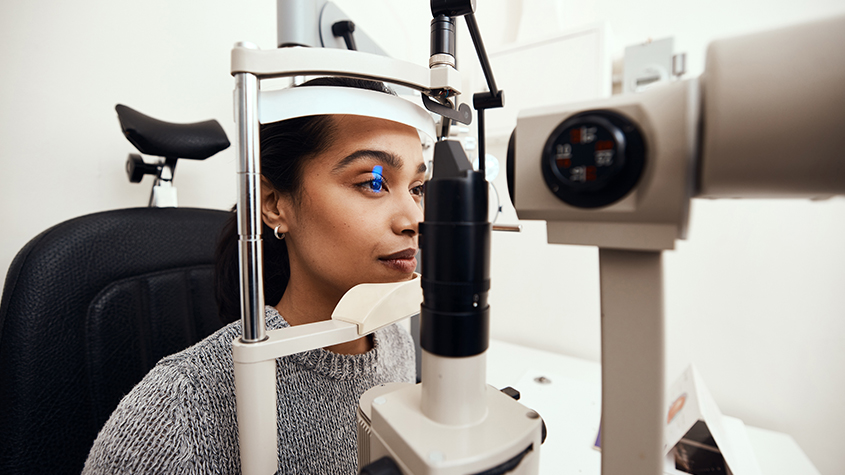
    Eye exams are essential for maintaining good eye health and ensuring optimal vision. During an eye exam, the eye doctor will perform a series of tests to assess various aspects of your vision and eye health. These tests may include visual acuity measurements, refraction tests to determine the need for glasses or contact lenses, and screenings for eye diseases such as glaucoma and macular degeneration. Eye exams can also provide valuable insights into general health conditions such as high blood pressure and diabetes, as certain signs can manifest in the eyes. Regular eye exams are recommended for individuals of all ages, from infants to seniors.

    Treatment Options for Common Eye Conditions

    Eye doctors are equipped with a wide range of treatment options to address various eye conditions. For refractive errors, prescription glasses or contact lenses may be prescribed to correct vision. In some cases, refractive surgeries such as LASIK or PRK may be recommended to permanently reduce dependency on glasses or contact lenses. Surgical interventions may be necessary for more serious conditions like cataracts or glaucoma. Eye doctors work closely with their patients to determine the most appropriate treatment plan based on individual needs and preferences.

    Tips for Maintaining Good Eye Health

    While eye doctors play a crucial role in preserving our vision, it is equally important to practice good eye care habits on a daily basis. Here are some tips for maintaining good eye health:

    1. Follow a balanced diet rich in fruits and vegetables, particularly those high in vitamins A, C, and E.
    2. Protect your eyes from harmful UV rays by wearing sunglasses that provide adequate protection.
    3. Take regular breaks when engaging in activities that require prolonged visual focus, such as working on a computer or reading. 
    4. Practice good hygiene when using contact lenses, including proper cleaning and storage.
    5. Avoid smoking, as it can significantly increase the risk of developing age-related eye diseases. 
    6. Stay hydrated to keep your eyes moisturized and prevent dryness.
    7. Maintain a healthy lifestyle by exercising regularly and managing chronic health conditions effectively.

    Finding the Right Eye Doctor for You

    Choosing the right eye doctor is crucial for receiving the best care for your eyes. Consider the following factors when selecting an eye doctor:

    • Credentials and experience
    • Range of services offered 
    • Patient reviews and testimonials.
    • Accessibility and convenience of the clinic 
    • Compatibility with your insurance coverage.

    Take the time to research and schedule consultations with potential eye doctors to ensure a good fit for your specific needs.

    Conclusion

    Eye doctors are the unsung heroes who tirelessly work to protect and restore our precious sight. Their expertise, compassion, and precision make them the guardians of our eye health. By prioritizing regular eye exams, being aware of common eye conditions, and practicing good eye care habits, we can work together with eye doctors to ensure optimal vision and long-term eye health. Remember, your eyes are precious and deserve the best care possible. So, the next time you feel strain or discomfort in your eyes, don’t hesitate to reach out to an eye doctor who will be there to safeguard your most valuable sense.

  • Understanding and Addressing Nipple Injury from Breastfeeding: Causes, Prevention, and Remedies

    Understanding and Addressing Nipple Injury from Breastfeeding: Causes, Prevention, and Remedies

    Introduction

    Breastfeeding is a beautiful and natural way to nourish and bond with your baby. However, many mothers may experience nipple injury, which can cause discomfort and hinder breastfeeding success. In this comprehensive article, we will explore the various aspects of nipple injury caused by breastfeeding, prevention strategies, and effective remedies. Whether you are a new mother experiencing nipple pain or a healthcare professional seeking to assist breastfeeding mothers, this article will provide valuable insights to promote successful and pain-free breastfeeding.

    Understanding Nipple Injury from Breastfeeding

    1. Nipple Anatomy and Function

    • Exploring the structure and function of the nipple
    • Understanding the importance of a healthy nipple for breastfeeding

    2. Types of Nipple Injury

    • Identifying common types of nipple injury, such as cracks, blisters, and abrasions
    • Examining the severity and potential complications associated with each type

    3. Common Causes of Nipple Injury

    • Poor latch and positioning during breastfeeding
    • Incorrect breastfeeding technique and suction issues
    • Engorgement, inverted nipples, and other anatomical factors

    Prevention Strategies for Nipple Injury

    1. Establishing a Proper Latch

    • Understanding the importance of a deep latch for effective breastfeeding
    • Exploring techniques to achieve a correct latch

    2. Optimal Breastfeeding Positions

    • Discussing different breastfeeding positions and their impact on nipple health
    • Providing guidelines for positioning to minimize nipple injury

    3. Addressing Common Breastfeeding Challenges

    • Dealing with engorgement, oversupply, and nipple confusion
    • Managing latch difficulties and tongue tie issues

    4. Maintaining Healthy Nipples

    • Nipple care and hygiene practices to prevent injury
    • Utilizing nipple shields, lanolin cream, and other protective measures

    Remedies for Nipple Injury

    1. Soothing Sore Nipples

    • Exploring techniques for pain relief, such as warm compresses and cool gel pads
    • Using nipple healing balms and ointments

    2. Healing Cracked Nipples

    • Promoting healing through proper breastfeeding techniques
    • Utilizing nipple shields, breast shells, and nipple healing creams

    3. Seeking Professional Support

    • Consulting with lactation consultants or breastfeeding specialists
    • Exploring alternative feeding methods to allow nipple healing

    4. Emotional Support for Breastfeeding Mothers

    • Addressing the emotional toll of nipple injury and breastfeeding challenges
    • Connecting with support groups and seeking counseling if needed

    When to Seek Medical Help

    1. Signs of Infection and Complications

    • Identifying red flags, such as fever, severe pain, and pus formation
    • Understanding when medical intervention is necessary

    2. Consulting with Healthcare Professionals

    • Seeking guidance from a healthcare provider, lactation consultant, or breastfeeding counselor
    • Discussing treatment options and tailored strategies for healing

    Conclusion

    Nipple injury from breastfeeding can be a challenging experience for mothers, but with knowledge, support, and proper care, it is possible to overcome these obstacles and achieve pain-free breastfeeding. By understanding the causes of nipple injury, implementing preventive strategies, and utilizing effective remedies, mothers can nurture their babies while ensuring their own comfort and well-being. Remember, seeking support from healthcare professionals and connecting with fellow breastfeeding mothers can make a significant difference in navigating through nipple injury challenges. With perseverance and the right resources, successful and enjoyable breastfeeding can be accomplished.

  • Choosing the Right Dentist: Your Guide to Finding the Perfect Match

    Choosing the Right Dentist: Your Guide to Finding the Perfect Match

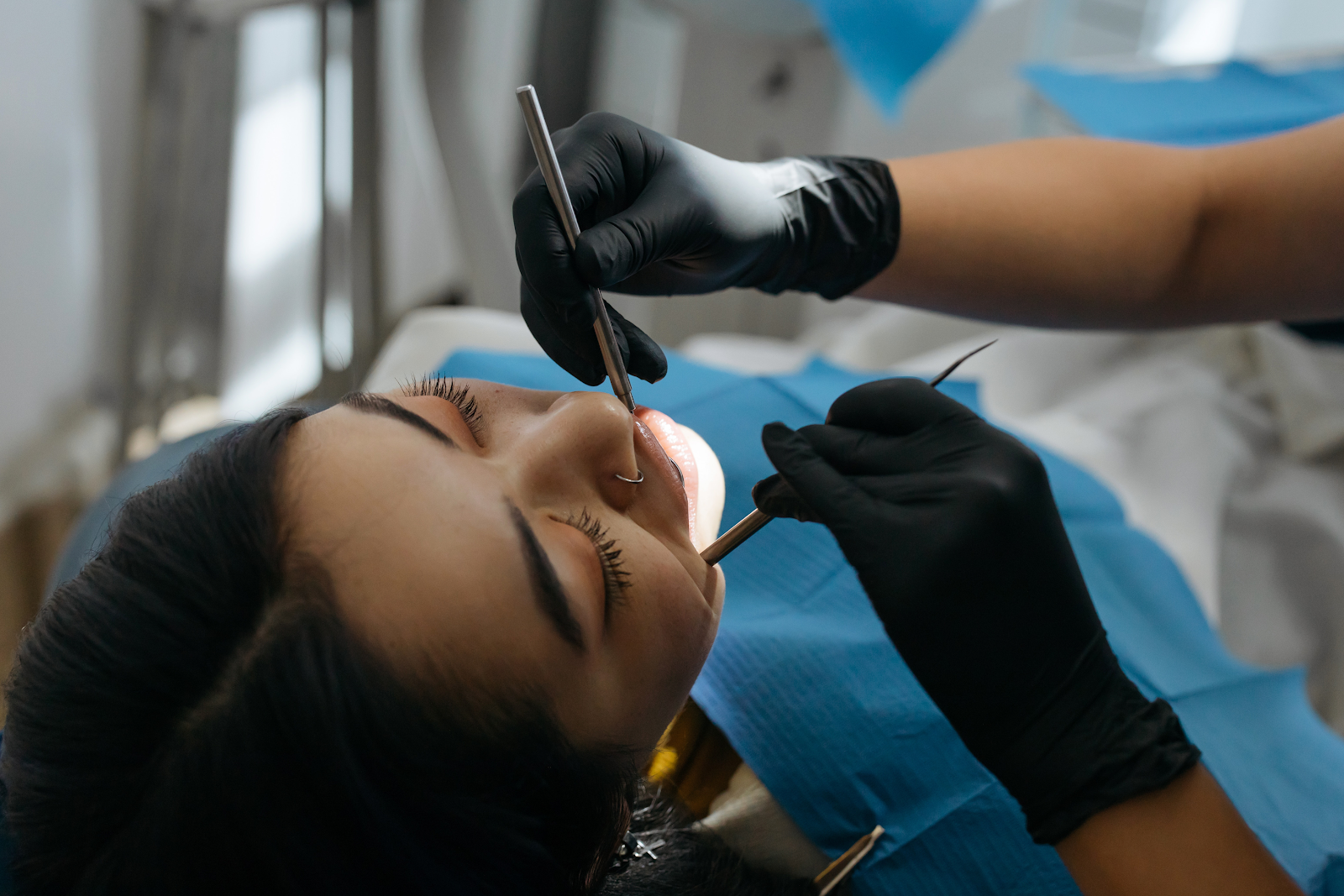
    ‍Image Source: Pexels‍

    Your smile is one of the first things people notice about you, and maintaining good oral health is essential for a healthy lifestyle. Choosing the right dentist is crucial and can greatly impact your dental health and overall well-being. With so many options out there, it can be overwhelming to know where to start. But fear not because we’re here to help guide you through the process of finding the perfect dentist. From researching credentials to checking patient reviews, we’ll explore all the important factors to consider when choosing the right dentist for you.

    The Importance of Choosing the Right Dentist

    Your dental health is a crucial aspect of your overall well-being. A healthy mouth helps prevent gum disease and tooth decay and improves your overall health. Poor oral health has been linked to severe health conditions such as heart disease, stroke, and diabetes. Visiting the dentist regularly is essential for maintaining good oral health, but choosing the right dentist to meet your needs is equally important.

    Choosing the right dentist can make all the difference in your dental experience. A good dentist can provide you with the necessary information to help you make informed decisions about your dental health. They can also offer personalized care and treatment options that suit your unique needs and preferences. A dentist who takes the time to listen to your concerns and answers your questions can help put you at ease and make your dental experience more comfortable.

    Factors to Consider When Choosing a Dentist

    Choosing the right dentist can be a daunting task. Still, several factors must be considered to help make the process easier. The first step is to determine your dental needs. Are you looking for a dentist for routine check-ups and cleanings, or do you require more specialized dental care? Once you’ve determined your needs, there are several other factors to consider, including:

    Location: Choose a dentist that is conveniently located near your home or workplace. This will make it easier for you to keep your appointments and avoid missing them.

    Credentials: Check the dentist’s credentials to ensure they have the proper training and education to provide dental care. Look for a dentist who is a member of the American Dental Association (ADA) and has a valid license to practice dentistry.

    Experience: Look for a dentist with experience in the specific area of dental care you require. For example, if you need braces or orthodontic treatment, choose a dentist who specializes in that area.

    Technology: Choose a dentist who uses the latest dental technology and equipment. This can help improve the accuracy and efficiency of your dental treatment.

    Patient Reviews: Check patient reviews to get an idea of the quality of care and service provided by the dentist. Look for a dentist with positive reviews and a good reputation in the community.

    Types of Dental Practices

    There are several types of dental practices to choose from, each with its own benefits and drawbacks. Understanding the different types of dental practices can help you choose the one that best meets your needs.

    Solo Practice: A solo practice is a dental practice with only one dentist. This type of practice can offer personalized care and attention. Still, it may have limited availability and may not offer specialized dental care.

    Group Practice: A group practice is a dental practice with two or more dentists. This type of practice can offer a wider range of services and more availability. Still, it may lack the personal attention of a solo practice.

    Dental Clinic: A dental clinic is a non-profit organization that provides dental care to low-income families and individuals. This type of practice can offer affordable dental care. Still, it may have limited availability and may not offer specialized dental care.

    Teaching Clinic: A dental clinic is associated with a dental school. This type of practice can offer affordable dental care and access to the latest dental technology. Still, it may have limited availability and may not offer specialized dental care.

    How to Find a Dentist – Referrals, Online Search, and Reviews

    There are several ways to find a dentist, including referrals, online searches, and reviews.

    Referrals: Ask friends, family, and coworkers for recommendations for a dentist they trust and have had a positive experience with. This can be a great way to find a dentist who meets your needs and preferences.

    Online Search: Use online directories to search for dentists in your area. Look for dentists with positive reviews and a good reputation in the community.

    Reviews: Read patient reviews on websites such as Yelp, Google, and Healthgrades. Look for dentists with positive reviews and a good reputation in the community.

    Questions to Ask When Choosing a Dentist

    When choosing a dentist, asking the right questions is important to ensure you find the best match for your needs and preferences. Here are some questions to ask:

    What are your qualifications and experience? Ask about the dentist’s education, training, and experience to ensure they have the necessary skills to provide dental care.

    What services do you offer? Ask about the range of the services provided by the dentist to ensure they can meet your unique dental needs.

    What technology do you use? Ask about the technology and equipment used by the dentist to ensure they use the latest tools and techniques to provide dental care.

    What are your office hours? Ask about the dentist’s office hours to ensure they can accommodate your schedule.

    What is your approach to patient care? Ask about the dentist’s patient care approach to ensure personalized care and attention.

    The Dentist-Patient Relationship

    The dentist-patient relationship is an important aspect of your dental experience. A good dentist takes the time to listen to your concerns and answers your questions. They also provide personalized care and treatment options that meet your unique needs and preferences.

    Establishing a good relationship with your dentist is important to ensure you feel comfortable and confident in their care. This can help alleviate any anxiety or fear you may have about visiting the dentist and make your dental experience more enjoyable.

    Services Offered by Dentists

    Dentists offer a wide range of services to help maintain good oral health and treat dental problems. Some common services offered by dentists include:

    Routine Check-Ups and Cleanings: Regular check-ups and cleanings can help prevent gum disease and tooth decay.

    Fillings and Crowns: Fillings and crowns treat cavities and restore damaged teeth.

    Orthodontics: Orthodontics is the branch of dentistry that focuses on correcting misaligned teeth and jaws.

    Root Canals: Root canals are used to treat infected or inflamed tooth pulp.

    Dental Implants: Dental implants are used to replace missing teeth.

    Dental Insurance and Financing Options

    Dental care can be expensive, but several options are available to help make it more affordable. Dental insurance can help cover the cost of routine dental care. In contrast, financing options such as payment plans and dental credit cards can help spread out the cost of more expensive procedures.

    Understanding your dental insurance coverage and any financing options available is important to ensure you can afford the dental care you need.

    Common Dental Procedures and Treatments

    There are several common dental procedures and treatments that you may require at some point in your life. Understanding these procedures and treatments can help you make informed decisions about your dental care. Some common dental procedures and treatments include:

    Teeth Whitening: Teeth whitening is a cosmetic dental procedure that can help brighten your smile.

    Dental Fillings: Dental fillings treat cavities and restore damaged teeth.

    Root Canals: Root canals are used to treat infected or inflamed tooth pulp.

    Dental Implants: Dental implants are used to replace missing teeth.

    Braces and Orthodontics: Braces and orthodontics are used to correct misaligned teeth and jaws.

    Conclusion

    Choosing the right dentist is an important decision that can greatly impact your dental health and overall well-being. You can find a dentist that meets your needs and preferences by considering location, credentials, and patient reviews. Remember to establish a good relationship with your dentist to ensure you feel comfortable and confident in their care. And finally, don’t forget to take advantage of dental insurance and financing options to make dental care more affordable. With a little research and care, you can find the perfect match for your dental needs and achieve a healthy, beautiful smile.

  • Finding Relief from Major Depressive Disorder: Exploring Spravato’s New Approach

    Finding Relief from Major Depressive Disorder: Exploring Spravato’s New Approach

    ‍Photo by OpenClipart-Vectors on Pixabay 

    Major Depressive Disorder (MDD) is a challenging mental health condition that affects individuals and society as a whole. Despite the availability of various treatment options, finding relief from MDD can be a struggle for many. Thankfully, a new approach using Spravato, a recently FDA-approved medication, is gaining attention for its potential to provide relief to individuals who have exhausted other options. In this article, we will delve into the science behind Spravato, its workings, and the potential benefits and risks. We will also discuss the current landscape of Major Depressive Disorder (MDD) treatment and how this innovative approach could revolutionize mental health care.

    Traditional Treatments for MDD

    MDD is typically addressed through psychotherapy and medication, though their effectiveness varies from person to person. Psychotherapy involves talking to a trained mental health professional, such as a psychologist or counselor, about one’s thoughts, emotions, and behaviors. 

    Various approaches exist, including cognitive-behavioral therapy (CBT), interpersonal therapy (IPT), and psychodynamic therapy, each tailored to different needs. Medications commonly prescribed for MDD include selective serotonin reuptake inhibitors (SSRIs), serotonin-norepinephrine reuptake inhibitors (SNRIs), and atypical antidepressants. These medications work by increasing levels of specific neurotransmitters in the brain. However, they can take weeks to take effect, and some individuals may experience side effects. Electroconvulsive therapy (ECT) may be recommended for patients who do not respond to other treatments.

    Understanding Spravato

    Spravato is an FDA-approved nasal spray containing esketamine, a derivative of ketamine known for its rapid and significant effects on MDD symptoms. Ketamine has long been used as a dissociative anesthetic in surgery and emergency medicine. In recent years, researchers have explored its potential for treating depression and other mental health conditions. Esketamine, a slightly modified form of ketamine, has shown greater potency and fewer side effects.

    Spravato’s Approval and Administration

    In March 2019, the FDA approved Spravato for the treatment of MDD in adults who have not responded to other treatments. This medication is administered as a nasal spray under the supervision of a healthcare professional and is not intended for at-home use. Patients are monitored for at least two hours after each dose to ensure safety.

    Mechanism of Action

    While the exact mechanism of action is not fully understood, it is believed that Spravato works by increasing levels of certain neurotransmitters, such as glutamate, in the brain. Glutamate is an excitatory neurotransmitter involved in forming new connections between neurons. By boosting glutamate levels, Spravato may help reverse the impact of chronic stress and depression on the brain. The nasal spray delivery allows for rapid absorption into the bloodstream, reaching the brain quickly.

    Effectiveness of Spravato

    Clinical trials have demonstrated the effectiveness of Spravato in treating MDD. Patients who received Spravato in addition to an antidepressant experienced significant improvement in symptoms compared to those who received a placebo and an antidepressant. Another study revealed that Spravato recipients significantly reduced suicidal thoughts compared to the placebo group. However, it’s important to note that Spravato does not work for everyone, and some individuals may only experience partial or temporary relief. It is not a cure for MDD; additional treatments such as psychotherapy or other medications may still be necessary.

    Eligibility for Spravato Treatment

    Spravato is approved for use in adults with MDD who have not responded to other treatments. It is not intended for use in children or adolescents. Before initiating Spravato treatment, patients undergo a comprehensive medical evaluation to determine their eligibility. Those with a history of substance abuse, psychosis, or specific medical conditions may not be suitable candidates.

    The Spravato Treatment Process

    The Spravato treatment process involves several steps. After the medical evaluation, eligible patients receive a prescription for Spravato. They are provided instructions on how to use the nasal spray. They must then schedule appointments with a healthcare provider for the administration of the medication. Each dose takes about 5 to 10 minutes to administer, and patients are monitored for at least two hours afterward to ensure their safety. During this period, patients discuss any side effects and have their blood pressure and heart rate checked. Adjustments to the dose or discontinuation of treatment may be necessary if serious side effects occur.

    Potential Side Effects

    Like any medication, Spravato can cause side effects. The most common ones include dissociation, dizziness, nausea, and headache. Dissociation refers to a feeling of detachment from one’s surroundings or sense of self. It may indicate a more serious side effect. Additionally, Spravato may increase blood pressure or heart rate, which can be a concern for individuals with cardiovascular conditions. It is crucial to inform healthcare providers of any side effects experienced during Spravato treatment.

    Insurance Coverage

    Insurance coverage for Spravato treatment may vary since it is a relatively new medication. Some plans may cover the cost, while others might require prior authorization or have limitations on the number of doses. Patients should check with their insurance provider to determine their coverage.

    Conclusion and Future Outlook

    According to the World Health Organization (WHO), there are more than 264 million people who suffer from depression globally and this figure will continue to rise. Spravato represents a new approach to treating MDD that holds promise for providing relief to individuals who have not responded to other treatments. While it is not a cure, it can be a valuable addition to existing therapies such as psychotherapy and medication. It is essential to note that Spravato may not work for everyone, and some individuals may experience only partial or temporary relief from their symptoms. Ongoing research on the medication’s long-term effects will likely contribute to its acceptance as a widely recognized option for MDD treatment. In the meantime, individuals with MDD should collaborate with healthcare providers to determine the best course of treatment based on their unique needs.

  • Hearing Aids: Enhancing Lives through Audiology Expertise

    Hearing Aids: Enhancing Lives through Audiology Expertise

    Image Source: Unsplash‍

    Our ability to hear is a precious sense that allows us to connect with the world around us. However, hearing loss affects a significant number of people worldwide, and its prevalence is expected to rise in the coming years. Fortunately, advancements in audiology have given rise to hearing aids, which offer a transformative solution for individuals with hearing loss. These remarkable devices utilize sophisticated technology to amplify sound and filter out unwanted noise, facilitating improved communication and enriching everyday experiences.

    In this article, we will explore the benefits of hearing aids, the different types available, and how they can be personalized to meet individual needs. Whether you are personally experiencing hearing loss or supporting someone who is, you will find valuable information and insights regarding this remarkable solution from the field of audiology.

    Types of Hearing Aids

    Hearing aids come in various shapes and sizes, allowing customization to suit individual preferences. The most commonly used types include:

    • Behind-the-ear (BTE).
    • In-the-ear (ITE).
    • In-the-canal (ITC).
    • Completely-in-the-canal (CIC) hearing aids.

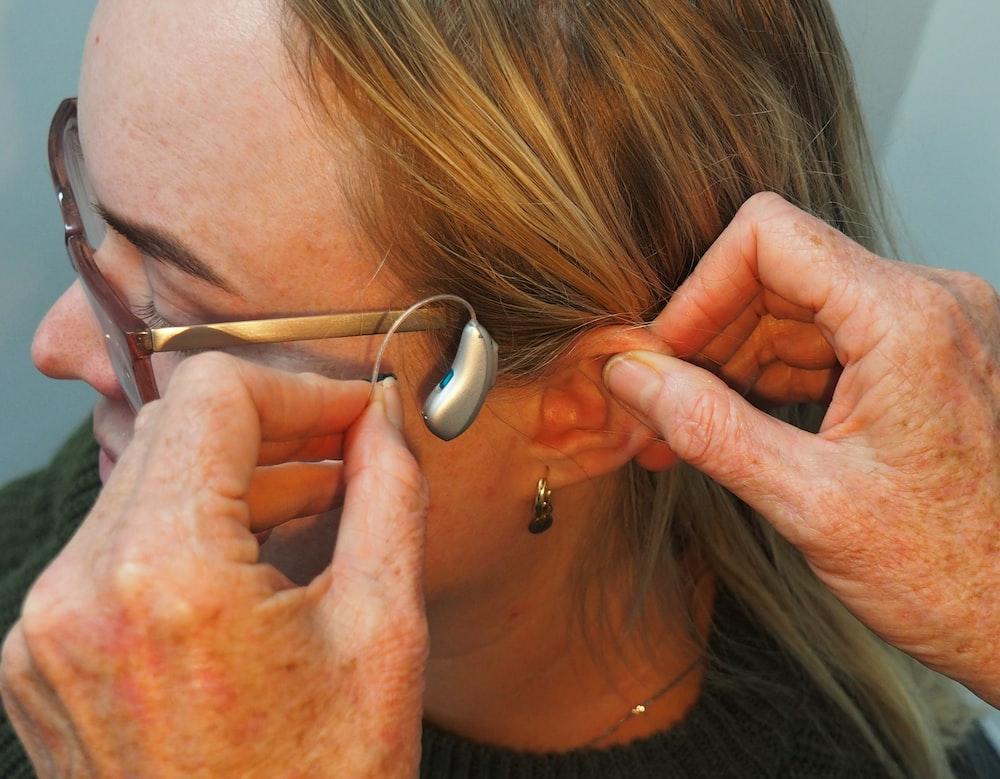
    BTE hearing aids are larger and more visible, sitting comfortably behind the ear with a small tube connecting to an earpiece placed inside the ear canal. On the other hand, ITC and CIC hearing aids are discreet and fit entirely within the ear canal. ITE hearing aids, while larger than ITC and CIC, are still smaller than BTE and sit in the outer part of the ear. Each type has its advantages and considerations, which can be determined in consultation with an audiologist, considering factors such as the degree of hearing loss, lifestyle, and personal preferences.

    How Hearing Aids Works

    Hearing aids function by amplifying sound, enabling individuals with hearing loss to better perceive and comprehend speech. These devices consist of a microphone that captures sound, an amplifier that increases the volume of the sound, and a speaker that delivers the amplified sound to the ear. Modern hearing aids utilize digital signal processing (DSP) technology, allowing them to filter out background noise and enhance speech sounds. They can be programmed to adapt to different listening environments, whether it be a quiet room, a bustling restaurant, or an outdoor setting. Depending on the degree of hearing loss, hearing aids can be worn in one or both ears, with binaural hearing aids offering a more natural and balanced listening experience by improving speech understanding, sound localization, and overall sound quality.

    Recognizing the Signs That You May Need a Hearing Aid

    Hearing loss often develops gradually, and many individuals may not be fully aware of its extent until it significantly impacts their daily lives. Several signs may indicate the need for a hearing aid, including difficulty understanding speech, particularly in noisy environments, frequent requests for repetition, increasing the volume of electronic devices to levels others find loud, perceiving others as mumbling or speaking too quickly, and avoiding social situations due to difficulty hearing and understanding others. If you or someone you know experiences any of these signs, it is crucial to schedule a hearing test with an audiologist to assess the extent of hearing loss and determine the potential benefits of a hearing aid.

    Benefits of Wearing a Hearing Aid

    Wearing a hearing aid offers numerous advantages for individuals with hearing loss, significantly enhancing their quality of life. Some key benefits include improved speech understanding and communication, enhanced sound quality and clarity, reduced stress and fatigue associated with straining to hear, improved social and emotional well-being, increased confidence and independence, and better overall health and cognitive function. With the aid of hearing devices, individuals can actively participate in everyday activities, engaging in conversations with family and friends, attending events and meetings, and enjoying various forms of entertainment, including music.

    Challenges of Wearing a Hearing Aid

    While hearing aids bring immense benefits, it is important to acknowledge and address the challenges associated with their usage. Adjusting to the sound of a hearing aid can be initially challenging, as the amplified sounds may appear unfamiliar or unnatural. It takes time to acclimate to the new sounds and retrain the brain to process speech effectively. Additionally, proper maintenance and care are essential to ensure optimal performance. This includes changing batteries, cleaning the device regularly to remove earwax and debris, and storing the hearing aid safely and dryly.

    Seeking regular check-ups with an audiologist is crucial to confirm the hearing aid’s functionality and address any concerns. Some individuals may also experience discomfort or irritation, particularly if the device does not fit properly or is worn for extended periods. Open communication with an audiologist can help address these issues and ensure the hearing aid is comfortable and effective.

    Factors to Consider When Choosing a Hearing Aid

    Choosing the right hearing aid involves considering several factors, including the degree and type of hearing loss, lifestyle and communication needs, size and style preferences, technological features and capabilities, and cost and insurance coverage. Audiologists play a crucial role in guiding individuals through the selection process. By conducting a thorough hearing evaluation, they can recommend hearing aids from Southern Maine that best align with individual needs and preferences, ensuring an optimal hearing solution.

    Caring for Your Hearing Aid

    Proper care is vital for maintaining the functionality and longevity of a hearing aid. Here are some essential tips for hearing aid maintenance:

    1. Clean the hearing aid daily using a soft, dry cloth to remove earwax and debris.
    2. Regularly replace batteries and keep spare batteries on hand.
    3. Store the hearing aid in a cool, dry place when not in use, protecting it from moisture, heat, and direct sunlight.
    4. Schedule routine check-ups with an audiologist to ensure the device is functioning optimally. By following these care tips, individuals with hearing aids can ensure that their devices provide the best possible hearing experience.

    Debunking Common Myths About Hearing Aids

    Several myths and misconceptions surround hearing aids, often discouraging individuals from seeking treatment. Let’s address some of these myths and present accurate information:

    • Myth: Hearing aids are bulky and unattractive. 
    • Fact: Modern hearing aids are designed to be discreet, comfortable, and visually appealing, focusing on wearer satisfaction.
    • Myth: Hearing aids are only for elderly people. 
    • Fact: Hearing aids benefit people of all ages who experience hearing loss, enabling them to engage fully in various aspects of life.
    • Myth: Hearing aids restore hearing to normal. 
    • Fact: While hearing aids significantly improve hearing, they do not restore it to the exact level of normal hearing. However, they enhance communication and overall quality of life.
    • Myth: Hearing aids are too expensive. 
    • Fact: While the cost of hearing aids varies, financial assistance options are available, including insurance coverage, government programs, financing plans, and payment options provided by hearing aid manufacturers.
    • Myth: Hearing aids will make hearing worse. 
    • Fact: Properly fitted and adjusted hearing aids do not damage hearing; they enhance it by amplifying and clarifying sounds, leading to improved communication and quality of life.

    The Future of Hearing Aids

    The future of hearing aids holds promising developments as technology continues to advance. Some of the latest innovations include Bluetooth connectivity for streaming audio and phone calls directly to the hearing aid, artificial intelligence for real-time sound processing and personalized listening experiences, rechargeable batteries for convenience and sustainability, and seamless integration with smart devices and wearable technology. These advancements have the potential to further improve the functionality and accessibility of hearing aids, ensuring an even more effective solution for individuals with hearing loss.

    Conclusion

    Hearing aids have revolutionized the lives of individuals with hearing loss, empowering them to overcome communication barriers and actively engage in daily activities. Through sound amplification and background noise reduction, hearing aids facilitate improved speech understanding, enhanced sound quality, and overall well-being. With a range of hearing aid types available, personalized selection and consultation with an audiologist are crucial. By embracing hearing aids and adhering to proper care and maintenance, individuals with hearing loss can experience the transformative benefits of improved communication, social interactions, and overall quality of life.

  • Heart Disease Explained: Signs, Symptoms, and How to Reduce your Risk

    Heart Disease Explained: Signs, Symptoms, and How to Reduce your Risk

    Heart disease is a leading cause of death worldwide, accounting for more deaths than any other disease. Heart disease is a general term used to describe several conditions that affect the heart, including coronary artery disease, heart failure, and arrhythmias. In this blog, we will discuss what heart disease is, its causes, symptoms, diagnosis, treatment, and how to reduce your risk.

    What is Heart Disease?

    Heart disease is a general term used to describe several conditions that affect the heart. These conditions may include coronary artery disease, heart failure, and arrhythmias. Coronary artery disease is the most common type of heart disease.

    Causes of Heart Disease:

    The causes of heart disease are complex and can include several factors, such as genetics, lifestyle, and underlying health conditions. Some common risk factors for heart disease include:

    • High blood pressure
    • High cholesterol
    • Diabetes
    • Obesity
    • Smoking
    • Family history of heart disease
    • Physical inactivity
    • Stress

    Symptoms of Heart Disease:

    Symptoms of heart disease can vary depending on the type and severity of the condition. Some common symptoms of heart disease include:

    • Chest pain or discomfort
    • Shortness of breath
    • Fatigue
    • Irregular heartbeat
    • Swelling in the legs, ankles, or feet
    • Nausea or vomiting
    • Dizziness or lightheadedness

    Diagnosis of Heart Disease:

    Diagnosing heart disease typically involves a combination of medical history, physical exam, and diagnostic tests. Diagnostic tests may include:

    Electrocardiogram (ECG) to measure the electrical activity of the heart

    Echocardiogram to evaluate the structure and function of the heart

    Cardiac stress test to evaluate how well the heart performs under stress

    Coronary angiography to evaluate blood flow in the heart’s arteries

    Blood tests to check for high cholesterol or other underlying health conditions

    Treatment of Heart Disease:

    Treatment for heart disease may include medication management, lifestyle modifications, and surgical interventions. Treatment options may include:

    • Medications to lower blood pressure, cholesterol, and prevent blood clots
    • Lifestyle modifications, such as a healthy diet, regular physical activity, and smoking cessation
    • Surgical interventions, such as angioplasty or bypass surgery, to improve blood flow to the heart
    • Implantable devices, such as pacemakers or defibrillators, to manage arrhythmias

    Reducing Your Risk of Heart Disease:

    Reducing your risk of heart disease involves making lifestyle modifications and managing underlying health conditions. Some strategies for reducing your risk of heart disease include:

    • Eating a healthy, balanced diet
    • Staying physically active
    • Maintaining a healthy weight
    • Managing high blood pressure, cholesterol, and diabetes
    • Avoiding smoking and excessive alcohol consumption
    • Managing stress through relaxation techniques or meditation

    Conclusion:

    In conclusion, heart disease is a leading cause of death worldwide, affecting millions of people. Heart disease is a general term used to describe several conditions that affect the heart, including coronary artery disease, heart failure, and arrhythmias. Risk factors for heart disease include genetics, lifestyle, and underlying health conditions. Symptoms of heart disease can vary, but early diagnosis and treatment are essential for managing the condition effectively. Reducing your risk of heart disease involves making lifestyle modifications and managing underlying health conditions. If you have concerns about your heart health or have been diagnosed with heart disease, it is essential to work closely with your healthcare provider to manage your condition effectively.