Blog

  • Choosing a Condominium Layout That Can Support Changing Family Needs

    Choosing a Condominium Layout That Can Support Changing Family Needs

    A condominium may look suitable when a buyer first views it, but property requirements can change significantly over the years. A couple may eventually need space for children, a home office or visiting family members. A household that currently needs only two bedrooms may have different priorities several years later.

    For this reason, buyers should consider more than the current appearance of a unit when evaluating a condominium. The floor plan, bedroom arrangement, storage capacity and flexibility of the living spaces can all influence whether a property remains suitable over a longer ownership period.

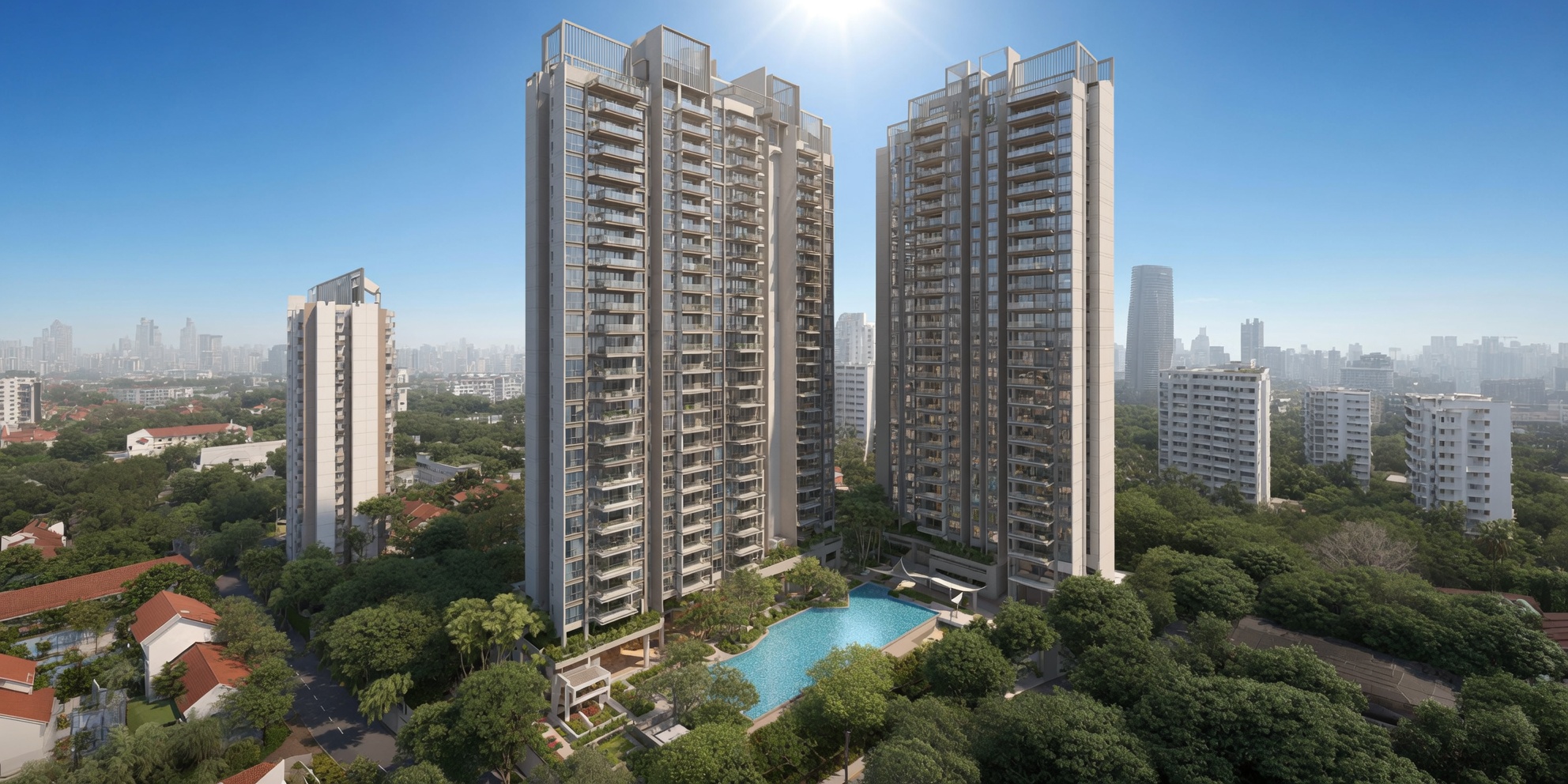
    This is an important consideration for purchasers comparing Lucerne Grand and Amberwood at Holland, particularly when choosing between different unit configurations.

    Lucerne Grand

    Start With How the Space Will Actually Be Used

    The number of bedrooms is only one part of a condominium’s suitability.

    A buyer should think about how each room will be used.

    Will one bedroom eventually become a child’s room?

    Could another room function as a home office?

    Is there sufficient living space for family gatherings?

    Can the dining area accommodate the household comfortably?

    These questions help buyers evaluate the functionality of the property rather than simply counting rooms.

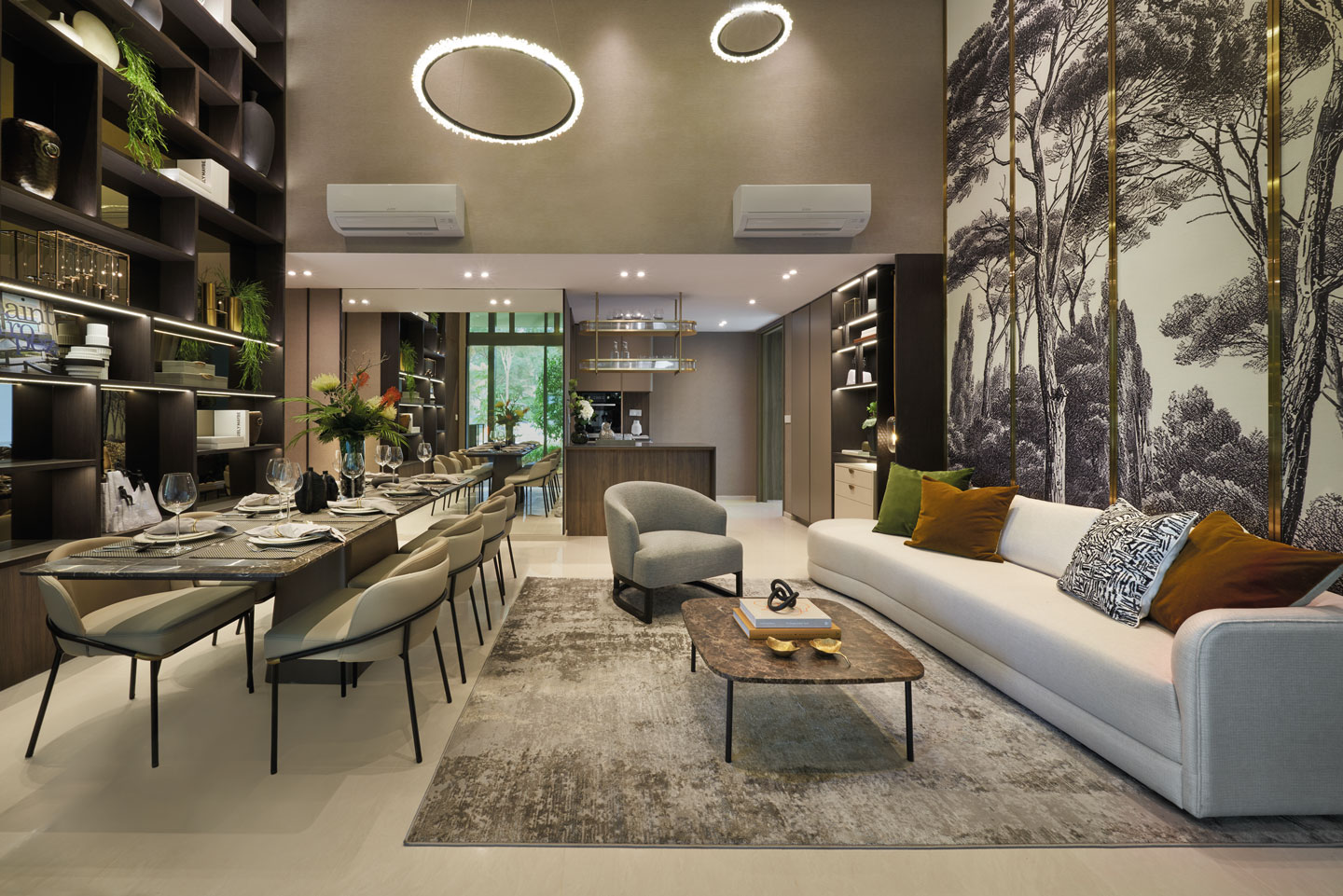
    A well-planned apartment can sometimes feel more spacious than a larger unit with an inefficient layout.

    Look at the Floor Plan Carefully

    Floor plans can reveal important information that may not be obvious during a short viewing.

    Look at the relationship between bedrooms, bathrooms, kitchen and living areas.

    Consider whether circulation space takes up a large portion of the apartment.

    Check the position of doors and windows.

    Think about where furniture could realistically be placed.

    For buyers considering Lucerne Grand, comparing available unit layouts can help identify which configurations provide the best fit for their household.

    The same approach applies to Amberwood at Holland.

    Rather than selecting a unit because it has a particular bedroom count, buyers should evaluate how effectively the entire floor area can be used.

    Consider Furniture Before Buying

    One useful test is to imagine the furniture inside the apartment.

    Measure large pieces such as beds, sofas, dining tables and wardrobes.

    Then compare those dimensions with the available room space.

    A bedroom that technically fits a queen-sized bed may feel restrictive if there is little room remaining for wardrobes and movement.

    Similarly, a living room may appear generous when empty but become crowded after a sofa, television console and dining furniture are installed.

    Thinking about furniture before purchasing can prevent unpleasant surprises after moving in.

    Storage Is Often Overlooked

    Storage becomes increasingly important as households grow.

    Clothing, children’s belongings, sports equipment, luggage, cleaning supplies and household appliances can quickly consume available space.

    Buyers should inspect built-in wardrobes, kitchen storage and other designated storage areas.

    They should also consider whether additional cabinets could be installed without making the apartment feel overcrowded.

    A unit with adequate storage can remain more organised and functional over time.

    Consider Work-From-Home Requirements

    Flexible working arrangements have also made dedicated work areas relevant to many buyers.

    A homeowner may initially expect to work from the dining table, but that arrangement can become inconvenient if another family member is studying or using the same space.

    A spare bedroom or adaptable area can provide greater flexibility.

    Buyers should therefore consider whether the layout can accommodate occasional or regular home working without compromising the primary living spaces.

    This can be particularly useful for households planning to remain in the property for several years.

    Think About Family Privacy

    As households grow, privacy becomes increasingly important.

    Parents may prefer bedrooms to be separated from living and entertaining areas.

    Older children may eventually need more personal space.

    Guests may also require accommodation that does not interfere with the household’s daily routine.

    When comparing condominium layouts, examine how bedrooms are positioned relative to common areas.

    A practical separation can improve the functionality of the apartment as household requirements evolve.

    Check the Kitchen Arrangement

    The kitchen can have a significant impact on how a condominium is used.

    Buyers should consider the available counter space, storage, appliance positions and movement area.

    A compact kitchen may work well for someone who cooks occasionally but become restrictive for a household that prepares meals frequently.

    Ventilation and separation from the living area can also matter depending on cooking habits.

    These details should be considered before choosing between different unit configurations.

    Examine Natural Light and Ventilation

    Space is not measured only in square metres.

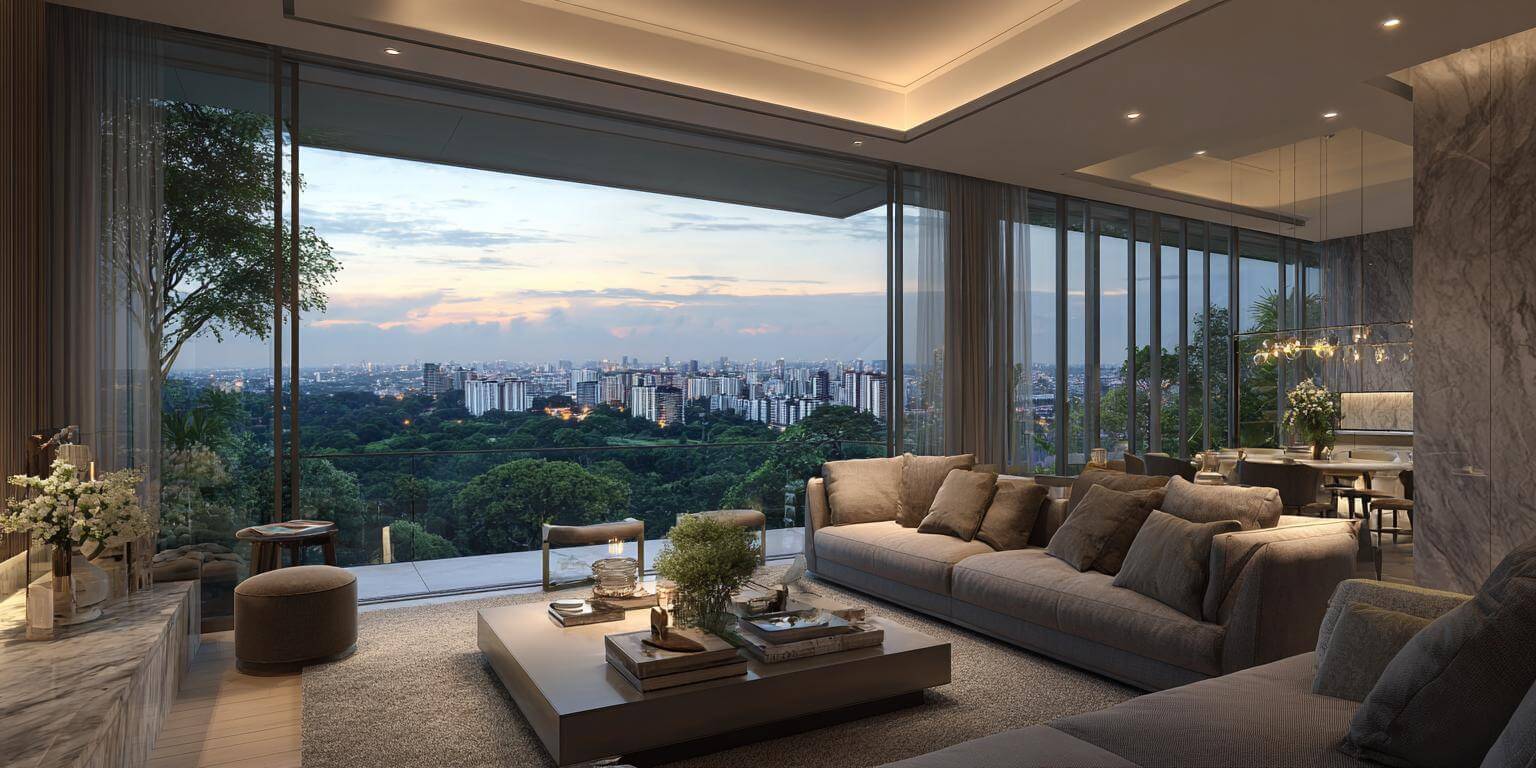
    Natural light and airflow can influence how spacious and comfortable an apartment feels.

    Buyers should observe the windows, orientation and surrounding buildings.

    Consider whether bedrooms and living areas receive sufficient daylight.

    Also look at how air moves through the apartment when windows are open.

    When comparing units at Lucerne Grand or Amberwood at Holland, these environmental characteristics can help distinguish otherwise similar floor plans.

    Think About Future Renovation

    A buyer may want to renovate the property at some point.

    Before purchasing, consider how much flexibility the layout provides.

    Can storage be improved?

    Could a room serve multiple purposes?

    Are there obvious limitations created by structural walls or fixed building systems?

    Not every renovation idea will be practical or permitted, so buyers should obtain appropriate professional advice before assuming that a particular modification is possible.

    The goal is to understand the property’s existing flexibility rather than relying on an imagined future renovation.

    Avoid Buying More Space Than You Need

    Larger is not automatically better.

    A larger condominium usually comes with a higher purchase price and may involve higher ongoing costs.

    If significant areas remain unused, the additional space may not provide sufficient value.

    Buyers should identify the minimum space needed to support their lifestyle comfortably and then determine whether additional space offers meaningful benefits.

    This is especially important when comparing units at different price points.

    Consider How Needs Could Change

    A property purchase can last much longer than the household’s current circumstances.

    Children may grow older.

    Parents may occasionally stay over.

    Work arrangements can change.

    Hobbies can require additional storage.

    The household may also become smaller later in life.

    A flexible layout can accommodate some of these changes without requiring an immediate move.

    This makes adaptability a useful characteristic when evaluating a long-term condominium purchase.

    Compare Layouts Across Developments

    When comparing Lucerne Grand and Amberwood at Holland, buyers should examine layouts on an equivalent basis.

    Compare similarly sized units.

    Look at bedroom proportions.

    Assess living and dining areas.

    Check storage.

    Consider kitchen functionality.

    Then compare the asking prices.

    This provides a more meaningful comparison than simply deciding which development has more bedrooms or a larger headline floor area.

    Keep Resale Appeal in Mind

    The current buyer is not necessarily the property’s eventual owner.

    A practical layout can make a unit easier for future purchasers to understand and furnish.

    Extremely unusual configurations may appeal to a smaller audience.

    This does not mean buyers should avoid distinctive properties altogether. Instead, they should understand the trade-off between personal preferences and broader market appeal.

    A home can be personalised without sacrificing its fundamental practicality.

    Final Thoughts

    Choosing the right condominium involves thinking about how the property will function not only today, but throughout the intended ownership period.

    Lucerne Grand and Amberwood at Holland provide different residential settings, but buyers evaluating either should pay close attention to the individual unit rather than relying solely on the development’s overall reputation.

    Floor area, bedroom arrangement, storage, kitchen design, privacy, natural light and flexibility can all influence the usefulness of a home.

    The best layout is not necessarily the largest or most expensive.

    It is the one that provides enough practical space for the household, allows reasonable flexibility as circumstances change and remains financially sensible.

    By examining the floor plan with real furniture, future requirements and everyday routines in mind, buyers can make a more informed condominium decision and reduce the likelihood of outgrowing the property sooner than expected.

  • Why Homebuyers Prioritize Convenience When Choosing a Property

    Why Homebuyers Prioritize Convenience When Choosing a Property

    Convenience is one of the most influential factors in residential property decisions. While buyers naturally consider price, design, size, and facilities, the ease with which a home fits into everyday routines can ultimately shape how satisfying it is to live there. In Singapore, where transport networks and urban amenities are highly integrated, convenient access to work, schools, shopping, healthcare, recreation, and dining can make a meaningful difference. For homebuyers, understanding what convenience actually means can help them assess whether a property will remain practical over the long term.

    The Serra Residences
    Signature: 7u8y3GoC7FALAn0dIBn3ZHnTzCUOnHyxWuUY4HHQ/7rs5Spo5fYFHlvbfMc9F3t2KPdqUCHkpNPC3D8u6X1EzYg60EJEPbEBki2/CJohDgd2uiPxlOEvztFLbynabyx9v88ZBaYsEwXQbIfXGj64/uOTfIK36hWzDL0Bf99wR44=

    Convenience Saves Valuable Time

    Daily routines often involve many small journeys. Commuting to work, buying groceries, taking children to school, visiting healthcare providers, exercising, and meeting friends can consume considerable time when destinations are far apart.

    A conveniently located home can reduce unnecessary travel and make these routines easier to manage. Over months and years, these small time savings can have a meaningful effect on the overall residential experience.

    Transport Access Is a Major Consideration

    Access to MRT stations, bus services, major roads, cycling routes, and pedestrian networks can significantly influence residential convenience. A property does not necessarily need to be next to an MRT station, but residents should have practical ways to reach important destinations.

    Buyers should test actual routes during property viewings where possible. Walking conditions, crossings, sheltered paths, traffic, and peak-hour travel times can all affect the real-world convenience of a location.

    Nearby Essentials Simplify Everyday Tasks

    Supermarkets, pharmacies, clinics, banks, childcare facilities, and other everyday services can make a neighbourhood significantly easier to live in.

    Having these services within reasonable reach means residents can complete routine errands without making separate trips across the city. Developments such as The Serra Residences demonstrate why surrounding amenities can be an important part of assessing a residential property’s practical appeal.

    Schools Matter to Families

    For households with children, proximity to schools and educational facilities can have a major influence on convenience. Shorter journeys can simplify morning routines and reduce the amount of time spent travelling each day.

    Parents should consider actual routes and travel arrangements rather than relying only on straight-line distance. The availability of childcare, enrichment services, and other family-oriented facilities may also contribute to the overall convenience of a neighbourhood.

    Healthcare Access Provides Reassurance

    Clinics, pharmacies, dental services, hospitals, and other healthcare facilities can be important considerations, particularly for families and older residents.

    Convenient healthcare access may not be something homeowners use every day, but it can become increasingly important as household circumstances change. A neighbourhood with a range of medical services can therefore offer useful long-term flexibility.

    Dining and Entertainment Add Lifestyle Convenience

    Convenience is not limited to essential services. Nearby cafés, restaurants, shopping centres, cinemas, fitness studios, parks, and entertainment destinations can make leisure time easier to organise.

    Residents may appreciate being able to meet friends, enjoy a meal, or spend an evening out without travelling far. This can be particularly valuable for professionals with demanding schedules.

    Amenities Within the Development Also Matter

    Condominium facilities can provide another layer of convenience. Gyms, swimming pools, gardens, playgrounds, lounges, and function rooms can reduce the need to travel for certain recreational activities.

    The usefulness of these facilities depends on how well they match residents’ lifestyles. Projects such as Dunearn Green highlight why buyers may assess internal amenities alongside the wider neighbourhood rather than considering either in isolation.

    Walkability Can Improve Daily Living

    A convenient location should be easy to navigate on foot. Comfortable pavements, safe crossings, shaded routes, pedestrian connections, and accessible paths can make short journeys more practical.

    Walkability can also encourage residents to incorporate exercise into ordinary routines. A short walk to a nearby shop or park may provide both convenience and an opportunity to spend time outdoors.

    Convenience Should Not Come at the Expense of Comfort

    The most convenient location is not necessarily the busiest. Some buyers may prefer a quieter residential environment that still provides good access to major destinations.

    Traffic noise, congestion, crowds, and commercial activity can affect the living experience. Buyers should consider whether the property offers an appropriate balance between accessibility and tranquillity.

    Family Convenience Can Change Over Time

    Household priorities evolve. A young couple may initially prioritise commuting and dining, while later they may focus more on schools, parks, healthcare, and family-friendly facilities.

    Choosing a neighbourhood with diverse amenities can make a property more adaptable to these changes. Buyers should consider not only what is convenient today but also what may become useful in the future.

    Convenience Can Support Different Work Arrangements

    Hybrid and remote working have changed commuting patterns for many professionals. While some residents may travel to an office several days a week, others may work primarily from home and need nearby cafés, co-working options, gyms, and everyday services instead.

    A well-connected location provides flexibility for both scenarios. Buyers should consider whether the neighbourhood can support different working patterns rather than focusing exclusively on one commute.

    Future Infrastructure Can Influence Convenience

    Transport improvements, new commercial centres, parks, and community facilities may enhance a neighbourhood over time. Buyers should research confirmed projects and understand how they could affect accessibility.

    However, future plans should be treated carefully. A property should ideally provide a reasonable level of convenience based on existing infrastructure, with future improvements viewed as potential additional benefits.

    Convenience Can Influence Future Appeal

    A property that is convenient for everyday living may also appeal to future buyers and tenants. Transport access, nearby amenities, schools, healthcare, and recreational facilities can be relevant to a wide range of households.

    This does not guarantee future price growth or rental performance. Market conditions, property quality, supply, and pricing remain important. Nevertheless, convenience can form part of a property’s broader long-term appeal.

    How Buyers Can Evaluate Convenience

    Homebuyers should test convenience rather than judging it solely from marketing materials. Visit the neighbourhood, walk to nearby destinations, assess transport routes, check traffic conditions, and consider how long common journeys actually take.

    It can also help to write down the destinations the household visits most often and compare how easily each property provides access to them. This creates a more personalised assessment of location.

    Choosing a Home That Makes Life Easier

    Homebuyers prioritise convenience because it can reduce daily friction and make ordinary routines more manageable. Good transport connections, nearby essentials, schools, healthcare, recreation, dining, and well-planned condominium amenities can all contribute to this experience.

    The best property is not necessarily the one closest to every possible destination. Instead, it is one whose location and facilities align with the household’s priorities while offering enough flexibility for future changes.

    When convenience is considered alongside layout, construction quality, privacy, amenities, and pricing, it becomes a powerful tool for evaluating whether a residential property is genuinely suited to everyday life.

  • A Risk-Based Checklist for Non-GamStop Casino Reviews

    A Risk-Based Checklist for Non-GamStop Casino Reviews

    UK players researching casino not on gamstop enter a market that sits outside the shared protections attached to a British Gambling Commission licence. The wider choice can look attractive, but it makes verification essential. This guide focuses on ranking evidence that matters more than design or headline bonuses, explains which claims can be checked before registration and shows how to recognise uncertainty that should stop a deposit. Readers comparing non gamstop casinos should use the same evidence test for every shortlisted operator rather than trusting a category label.

    Start with the operator, not the advertising

    GAMSTOP is used by gambling businesses licensed for Great Britain. A website outside the scheme will normally operate under an overseas authorisation, although the strength of supervision varies considerably. The phrase “non-GamStop” describes a regulatory position; it does not certify fairness, solvency or customer service.

    Open the terms and identify the legal company, registered address and licence number. Then compare those details with the regulator’s own register, including the approved web address and current status. A logo is easy to copy. A database entry that links the correct company to the correct domain is much stronger evidence. UK residents who have activated self-exclusion should maintain that protection instead of treating offshore access as a workaround.

    Turn the subject into verifiable questions

    The core checks for this issue are licensing, ownership, withdrawals, complaints, privacy and safeguards. Convert each into a practical question: who controls the decision, which numerical limit applies, when does the rule take effect, and where is the binding version written? Specific questions expose gaps that broad phrases such as “fast”, “secure” or “fully licensed” tend to conceal.

    Compare the promotional page, payment page, privacy notice and full terms. Company names, licence information, definitions and timeframes should agree. Save the relevant pages and dated support replies before paying, because policies can change and a current record is more useful than memory during a complaint.

    Examine the entire money route

    A quick deposit says little about a later withdrawal. Check the minimum and maximum cashout, pending period, internal approval time, weekends, processing charges and whether funds must return through the original method. Daily, weekly and monthly ceilings all matter. A low monthly cap can turn a legitimate large balance into a long exposure to operator risk.

    Verification is part of that route. The casino may request identity, address, payment ownership or source-of-funds evidence before releasing money. Clear requirements and a protected upload channel are reasonable; repeated, unexplained requests or instructions to send sensitive documents through informal messaging deserve caution. Ask whether verification can be completed before a large deposit.

    Treat every bonus as a contract

    Headline percentages are not usable value by themselves. Calculate wagering against both deposit and bonus, game contribution, expiry, maximum stake, excluded titles, withdrawal caps and country restrictions. Check whether changing a bet size or payment method can cancel eligibility. A modest offer with readable conditions may be safer than a spectacular promotion controlled by broad discretionary clauses.

    The general terms can affect a promotion through duplicate-account, device, IP, payment-ownership and location rules. If the wording is ambiguous, request a precise answer in writing and retain it. During an initial test, declining the bonus often provides a clearer picture of the ordinary cashout process.

    Test support before trusting it

    Ask one detailed question about ranking evidence that matters more than design or headline bonuses. A competent agent should answer the actual question, point to the governing policy and explain what happens if the customer disputes the answer. Compare live-chat and email responses on a material point. Contradictions, aggressive deposit pressure or refusal to identify the licensed company are meaningful warning signs.

    Record the date, channel and agent name. Support transcripts are not guaranteed to override written terms, but they can show what the operator represented before the decision. If the casino offers only scripted marketing language, assume a complicated withdrawal complaint will be harder, not easier.

    Use a controlled first transaction

    Start with the smallest practical deposit, use a payment method in the account holder’s name and keep every reference number. Explore account history, limit tools and help pages before playing heavily. Request a modest withdrawal early. This does not prove that every future payment will succeed, but it tests registration, verification, support and cashier functions with limited exposure.

    Keep the remaining balance small until the first payment has arrived and the amount matches the stated fee policy. Do not redeposit a withdrawal merely because a retention offer appears. A casino that creates friction only after a cashout request should be reassessed from the beginning.

    Review games and technical security

    Recognised suppliers, accessible game rules and version-specific RTP information improve transparency. The size of a lobby matters less than whether the provider and game version can be identified. Review round history and know how to report an interrupted game. Software should come only from the verified domain or an official application store.

    Use a unique password and multi-factor authentication where available. Check the privacy notice for the controller, processing purposes, retention periods, international transfers and rights requests. HTTPS protects data in transit but does not demonstrate responsible handling after upload. Identity and financial documents deserve especially careful treatment.

    Compare complaint routes before a dispute exists

    Read the complaints policy while the account is problem-free. It should explain the first contact, escalation level, response timeframe and any regulator or independent body able to review the outcome. An overseas licence may provide a route, but its authority and remedies can differ from those familiar to UK customers.

    Good evidence is chronological: registration details, saved terms, deposits, game records, verification uploads, withdrawal requests and support messages. State the requested remedy clearly. Emotional repetition is less useful than a short timeline supported by documents.

    Keep safeguards independent of the casino

    Sites outside the shared GAMSTOP system require additional personal barriers. Set a fixed entertainment budget and time limit before login. Bank gambling blocks, card controls, transaction alerts and separate spending accounts create friction that one operator cannot instantly remove.

    Use deposit limits, reality checks, time-outs and site-level exclusion where offered, but read how quickly increases or reversals take effect. Never chase losses, borrow to gamble or treat a pending withdrawal as available money. If gambling is becoming difficult to control, stop and contact a specialist support service rather than searching for fewer restrictions.

    Make a documented decision

    Score the operator on verified licensing, ownership clarity, payment practicality, verification, bonus readability, support quality, privacy, complaint access and safer-gambling tools. Require a minimum standard in every essential category. One attractive feature should not cancel several missing answers.

    The sensible outcomes are join, wait or reject. Wait when a material fact can still be confirmed. Reject when the company, licence, payment rule or complaint route remains unclear after reasonable checks. A credible non-GamStop casino should make important conditions understandable before it receives money.

    Run a second-pass due-diligence review

    An initial screen should be followed by a slower review before the customer increases either deposit size or playing time. Revisit the operator record from a different device or network and confirm that the same legal identity appears in the footer, terms, privacy notice and cashier. Search the exact company name rather than the brand alone. Several sites may share one owner, complaints process and payment infrastructure, so a different logo does not necessarily represent independent risk.

    For a risk-based checklist for non-gamstop casino reviews, write down the expected outcome before contacting support. Then ask the same question in two ways and compare the answers with the published rule. A useful response gives a number, timeframe or named policy. “Usually quick” and “handled by the relevant department” are not commitments. If an agent promises an exception, request written confirmation from a supervisor and assume the formal terms will prevail until that confirmation exists.

    Check the practical consequences of the rule under more than one scenario. Model a small deposit and withdrawal, a larger verified cashout, a bonus balance and an account placed under review. Include processing charges, conversion costs and monthly limits. This exercise can reveal that an apparently minor clause matters only when the balance becomes large—which is precisely when changing operator is no longer easy.

    Finally, set a review date for the evidence. Ownership, licence status, payment methods and promotional rules can change. A comparison page without a recent check should be treated as a starting point, not final proof. Saving screenshots and URLs gives the player a dated snapshot, while revisiting the regulator record confirms whether the original decision still makes sense.

    Warning signs that justify walking away

    Some problems are serious enough that a small test deposit is not appropriate. Examples include a licence number that belongs to another company, a regulator record that omits the advertised domain, conflicting operator names, no accessible withdrawal policy, or support asking for payment outside the official cashier. Unsolicited remote-access software and requests for passwords or one-time security codes are immediate reasons to stop.

    Repeated changes to verification requirements after each document submission also deserve scrutiny. Additional checks can be legitimate, but the operator should explain what is missing and why it is necessary. Likewise, a casino that advertises instant withdrawals while refusing to disclose an internal pending period is withholding information central to the offer.

    The safest decision is sometimes to do nothing. There is no need to resolve every uncertainty personally, and no bonus compensates for an operator that cannot establish its identity, rules and payment route. Keeping the deposit available for a better-documented service is itself a successful outcome of due diligence.

    Final review checklist

    Before registering, confirm that the licence record names the correct company and domain; the withdrawal timetable and limits fit the planned spend; verification documents can be uploaded securely; bonus rules are measurable; support has answered a specific question; and independent spending controls are already active. Recheck those points whenever the terms or ownership change.

    This method does not remove gambling risk, and it cannot guarantee a future payout. It does reduce avoidable uncertainty. For UK readers considering casinos beyond GAMSTOP, disciplined evidence, small exposure and firm personal limits are more valuable than an oversized welcome offer or an impressive homepage.

  • KYC and No-Verification Claims at Non-GamStop Casinos

    KYC and No-Verification Claims at Non-GamStop Casinos

    A non-UK casino should be researched as a financial counterparty as well as an entertainment service. This matters particularly when assessing non gamstop casino, because these operators sit outside the UK’s GAMSTOP network and may also sit outside UK Gambling Commission supervision. In the context of separating simplified registration from the identity checks that can occur at withdrawal, the strongest decision comes from checking evidence rather than relying on rankings, bonus sizes or a British-looking domain. The goal is not to find a casino with no rules; it is to understand which rules apply and whether they are acceptable before money changes hands.

    Understand what “not on GamStop” actually means

    GAMSTOP is the national online self-exclusion scheme used by gambling businesses licensed in Great Britain. A casino that is not on the scheme is normally operated under an international licence, or in some cases presents no meaningful regulatory evidence at all. Those are not equivalent situations. A properly registered offshore operator can publish ownership and licensing information, while an unlicensed site may offer little accountability if a withdrawal is disputed.

    For UK readers, the label therefore describes an exclusion and licensing distinction rather than a quality score. It does not automatically mean faster payments, fewer checks or better bonuses. It also does not prove misconduct. Each non-GamStop casino has to be judged on its operator, regulator, terms and track record. Anyone already using GAMSTOP should preserve that protective barrier instead of opening an offshore account to get around it.

    Verify the operator before comparing promotions

    Begin with verification triggers, accepted documents, source-of-funds requests, privacy terms and secure upload methods. The legal company in the terms should match the company recorded by the stated regulator, and the approved web address should match the site being visited. Search the regulator’s own register where one exists; a badge or licence number printed by the casino is not independent confirmation.

    Read the complaints section at the same time. It should explain how to contact the operator, how long an internal complaint may take and whether an external dispute body or regulator can review the outcome. UKGC-licensed sites have British consumer-protection requirements that offshore brands may not reproduce. A clear international licence can provide oversight, but players should not assume it gives identical enforcement or compensation routes. For a second comparison point, a current list of casinos not on gamstop can help readers identify names to research, provided every operator is still checked independently.

    Read account and withdrawal terms as one document

    Deposit pages are designed for speed; withdrawal rules determine how easily money can leave. Check minimum and maximum cashouts, internal pending times, identification requirements and whether winnings must return through a particular payment rail. Monthly withdrawal caps can be especially important after a large win, because a displayed account balance may take several payment cycles to receive.

    Bonus rules also interact with cashouts. Wagering requirements, maximum-stake clauses, restricted games and bonus-derived withdrawal caps can all change the practical value of an offer. Read the general terms and the promotion-specific page together. If two clauses conflict, ask support which one controls and save the answer. Do not deposit on the assumption that the more favourable interpretation will be applied later.

    Test support and security with low-cost checks

    Before opening an account, ask customer support one precise question connected with separating simplified registration from the identity checks that can occur at withdrawal. A useful response should answer directly, point to the applicable policy and remain consistent if the same question is asked through another channel. Scripted replies, pressure to deposit or refusal to identify the licensed company are warning signs.

    Security deserves similar attention. The site should use encrypted connections, explain how personal data is processed and provide a credible method for uploading identity documents. Game suppliers should be named, and published return-to-player information should correspond with the version actually offered. Avoid installing casino software from an advert, message or unofficial download page; use the operator’s verified domain or a recognised app store.

    Keep personal safeguards independent of the casino

    Account tools are useful only if they are available, prompt and difficult to reverse. Look for deposit limits, time-outs, reality reminders and permanent site-level self-exclusion. Because an operator outside GAMSTOP will not normally share an exclusion across British casino brands, external controls can matter more. Bank gambling blocks, payment limits and a fixed entertainment budget add barriers that do not depend on the casino’s internal system.

    Decide the maximum affordable loss and session length before logging in. Never raise either limit to recover a loss, and do not treat credit or essential household money as a gambling budget. If play stops feeling controlled, the sensible action is to stop and use professional support rather than search for a different operator with fewer restrictions.

    Make the final decision from combined evidence

    The specific mistake to avoid here is reading “no verification” as a guarantee that documents will never be requested. One positive feature cannot cancel several unresolved concerns. A fair assessment combines verifiable licensing, consistent ownership, readable terms, workable payment limits, responsive support, data security and personal control tools. Missing information should reduce confidence, not invite optimistic assumptions.

    A directory can shorten the research process, but its inclusion criteria and update date matter. Recheck the operator’s current legal pages immediately before registering because licences, ownership and promotions can change. Start with the lowest practical deposit, decline a bonus unless its conditions are fully understood and keep copies of transactions and support conversations.

    Non-GamStop casinos offer UK players a wider international market, but that wider choice transfers more responsibility to the individual. The best option is not necessarily the loudest or newest brand. It is the operator whose licence, rules and safeguards can be understood in advance—and whose remaining risks fit a genuinely affordable form of entertainment.

  • Solano Grand or Wynwood Grand? A Room-by-Room Guide to Choosing the Better Floor Plan for Your Lifestyle

    Solano Grand or Wynwood Grand? A Room-by-Room Guide to Choosing the Better Floor Plan for Your Lifestyle

    Why Floor Plans Matter More Than Square Footage

    Many homebuyers focus on one number when comparing properties: total square footage. While size is important, it doesn’t always determine how comfortable a home feels. A well-designed layout can make a smaller residence feel spacious, while a poorly planned larger home may feel restrictive and inefficient.

    This is why buyers comparing Solano Grand and Wynwood Grand should pay close attention to floor plan usability instead of simply comparing dimensions.

    The way rooms connect, how natural light flows through the home, and whether spaces can adapt to changing needs often have a bigger impact on everyday living than overall size.

    A thoughtful layout influences everything from family routines to remote work productivity and even future resale appeal.


    The Entry Experience: First Impressions Every Day

    Solano Grand

    A practical entrance creates a smoother daily routine. Buyers who appreciate an organized transition between outdoor and indoor living often value layouts that provide a welcoming entry without immediately exposing the main living space.

    This type of arrangement offers greater privacy while helping reduce clutter from shoes, bags, and everyday essentials.

    For households with children or guests, the entry area becomes an important functional zone rather than simply a doorway.

    Wynwood Grand

    A more contemporary approach often emphasizes openness from the moment residents walk inside. This creates a brighter and more spacious first impression.

    Open entry concepts can make homes feel larger, especially in compact layouts. They also support modern interior design styles where living, dining, and entertaining areas blend together naturally.

    The trade-off is that organization becomes more important, since the main living area is visible immediately upon entering.


    Living Room Layout: The Heart of Daily Living

    Solano Grand

    Living spaces that prioritize flexibility often appeal to homeowners planning for long-term occupancy. Furniture placement tends to feel straightforward, allowing multiple seating arrangements without disrupting room flow.

    Families often appreciate living rooms that comfortably accommodate movie nights, children’s activities, or quiet evenings without feeling overcrowded.

    A balanced layout also makes future redecorating easier as household needs evolve.

    Wynwood Grand

    Modern buyers frequently prefer living areas that feel connected to dining and kitchen spaces.

    This open-concept style supports entertaining and encourages interaction between family members or guests during gatherings.

    For buyers who enjoy hosting friends or maintaining a contemporary lifestyle, this layout can feel especially inviting.

    However, open spaces also require thoughtful furniture selection to maintain visual organization.


    Kitchen Design and Everyday Efficiency

    Solano Grand

    Functionality is often the defining characteristic of practical kitchen layouts.

    Well-positioned work surfaces, logical appliance placement, and sufficient storage contribute to smoother meal preparation and daily household routines.

    Homeowners who cook frequently generally benefit from kitchens that prioritize workflow over decorative elements.

    The emphasis is on making everyday tasks easier rather than simply creating visual impact.

    Wynwood Grand

    Many modern layouts integrate kitchens directly into shared living spaces.

    This approach creates a social cooking environment where conversations continue naturally while meals are being prepared.

    For couples, professionals, or buyers who entertain regularly, this design encourages interaction instead of separating the cook from guests.

    The result is a kitchen that becomes part of the home’s social atmosphere.


    Bedroom Privacy and Comfort

    Solano Grand

    Bedrooms often serve multiple purposes beyond sleeping. They may function as reading spaces, temporary work areas, or peaceful retreats after busy days.

    Layouts that position bedrooms away from high-traffic living areas can improve privacy and reduce household noise.

    This design approach is especially attractive for families, shift workers, or anyone seeking uninterrupted rest.

    Wynwood Grand

    Modern bedroom layouts frequently prioritize efficient use of available space while maintaining visual openness.

    Large windows, integrated storage, and streamlined design elements create bright, comfortable environments without unnecessary complexity.

    For urban professionals, this style supports a clean and minimalist living experience.


    Storage Solutions That Support Everyday Living

    Storage is one of the most overlooked aspects of home design until homeowners move in.

    Solano Grand

    Homes designed with long-term living in mind often include practical storage opportunities throughout the residence.

    Extra closets, utility areas, and organized cabinetry help reduce visible clutter while supporting growing households.

    This becomes increasingly valuable as families accumulate furniture, seasonal items, and personal belongings over the years.

    Wynwood Grand

    Contemporary layouts often focus on smart storage rather than maximum storage.

    Built-in solutions, multifunctional furniture opportunities, and efficient cabinet design help maximize available space without making rooms feel crowded.

    This approach works particularly well for buyers embracing a minimalist lifestyle.


    Flexibility for Remote Work and Changing Needs

    Today’s homes must adapt to more than traditional living.

    Remote work, online education, personal fitness, and creative hobbies all require flexible spaces.

    Solano Grand

    Layouts that provide separate rooms or adaptable corners often make it easier to establish dedicated home offices.

    This separation improves concentration while maintaining healthier boundaries between work and personal life.

    As household needs change, these flexible areas can evolve into study rooms, nurseries, or guest accommodations.

    Wynwood Grand

    Open layouts encourage creative use of space.

    Instead of fixed-purpose rooms, buyers can customize areas according to changing priorities using movable furniture and flexible interior design.

    This approach works particularly well for professionals whose living arrangements may change over time.


    Which Layout Matches Different Buyer Profiles?

    Solano Grand May Be Ideal If You:

    • Plan to live in the home for many years
    • Expect your household to grow over time
    • Value privacy between living and sleeping areas
    • Need practical storage for everyday life
    • Prefer structured room separation

    These buyers often prioritize functionality over design trends.


    Wynwood Grand May Suit You Better If You:

    • Enjoy open-concept interiors
    • Frequently entertain friends or family
    • Prefer modern, minimalist design
    • Appreciate flexible living arrangements
    • Want spaces that feel bright and connected

    These buyers often value lifestyle experience alongside functionality.


    Looking Beyond Today’s Needs

    One of the smartest decisions a buyer can make is evaluating how a floor plan will perform five or even ten years into the future.

    Ask yourself:

    • Will this layout still work if I begin working from home full-time?
    • Can the home adapt if my family grows?
    • Is there enough storage for future needs?
    • Will entertaining guests feel comfortable?
    • Can furniture be rearranged without limiting movement?

    Thinking ahead often reveals strengths and weaknesses that aren’t immediately obvious during a property viewing.


    Final Thoughts

    Choosing between Solano Grand and Wynwood Grand isn’t simply about selecting the larger home or the newer design. The better choice depends on how the floor plan supports your everyday routine.

    Solano Grand appeals to buyers who value structure, privacy, and long-term practicality. Its layout philosophy is centered on comfort that grows with changing life stages.

    Wynwood Grand, meanwhile, embraces modern living through open spaces, adaptable interiors, and a seamless flow between key living areas. It suits buyers who enjoy contemporary design and flexible lifestyles.

    Ultimately, the most successful home purchase is one where the layout works effortlessly with your habits—not against them. By focusing on usability instead of square footage alone, you’ll be better positioned to choose a home that remains comfortable and functional for years to come.

  • Why Parterapi Gladsaxe is the Foundation for Your Family’s Future

    Why Parterapi Gladsaxe is the Foundation for Your Family’s Future

    Reclaiming Love

    Searching for professional parterapi Gladsaxe is the first step toward dismantling the “Gordian knots” that often stifle intimacy. With over 30 years of experience, I guide couples in identifying the psychological defense mechanisms—such as projection, repression, and devaluation—that act as invisible barriers to authentic contact. When these internal walls are removed, you move from a state of mere survival to a relationship characterized by vitality and mutual respect.

    Building the Pillars of Your Relationship House

    A successful union is not built on fleeting feelings alone, but on a sturdy structure we call the Relationship House. This house requires a solid foundation constructed from Trust, Safety, and Respect. If one of these pillars is leaning, the entire structure becomes unstable, and the “roof”—which represents your shared values—cannot effectively protect you from life’s inevitable storms.

    Shifting to 100% Personal Accountability

    Real transformation begins when both partners stop the “blame game” and take 100% personal accountability for the energy they bring into the room. Instead of waiting for your partner to change, you must become the driver of your own happiness. By adjusting your own attitude and behaviour, you often find that your partner naturally responds with a similar openness, creating a positive spiral of growth.

    Mastering the Language of Connection

    In the context of parterapi Gladsaxe, we utilise systematic tools to ensure that communication becomes a bridge rather than a battlefield. We often speak in “codes” that are easily misunderstood, especially when emotions are high. Through my guidance, you will learn to speak Self-Responsibly, expressing your needs as positive wishes rather than criticisms.

    The Power of Appreciative Dialogue

    One of the most effective tools we implement is the Appreciative Self-Responsible Dialogue (ASD). This structured method provides a safe frame where both parties feel truly seen, heard, and understood. By mirroring your partner’s words, you validate their reality, which is the fastest way to lower the “emotional temperature” and rebuild authentic trust.

    Implementing Rituals for Long-Term Harmony

    To avoid the “parallel lives” that often occur in busy modern households, couples must implement structured daily rituals. These touchpoints act as stabilizers, ensuring the partnership remains the backbone of the family, prioritised even above career and external distractions.

    Mastering ‘Slusetid’ (Sluice Time)

    A critical ritual is slusetid, a dedicated transition period after work where you create a buffer between professional stress and family life. By giving each other ten minutes of focused, uninterrupted attention during this transition, you ensure that the relationship receives its required “vitamins”.

    Understanding Masculine and Feminine Logics

    Misunderstandings frequently arise because partners operate from different “logics”—the rational masculine and the emotional feminine energies. A masculine energy might seek the “Cave” of silence to process stress, while a feminine energy might need to talk and descend into the “Well” of feelings to find relief. Learning to respect these natural rhythms prevents the development of contempt, which is the single most destructive force in any marriage.

  • Shaping Vibrant Communities: How Modern Residences Influence Rental Trends in Singapore

    Shaping Vibrant Communities: How Modern Residences Influence Rental Trends in Singapore

    Singapore’s property scene has evolved beyond individual homeownership, with community dynamics increasingly shaping both lifestyle and investment potential. Understanding how developments contribute to vibrant neighborhoods is crucial for prospective residents and investors. Hudson Place Residences and Dunearn House are prime examples of projects that not only offer quality living spaces but also actively influence the broader rental and community landscape.

    The Rise of Community-Centric Living

    Urban dwellers today are seeking more than a roof over their heads; they want neighborhoods that foster connection, safety, and convenience. Developments like Hudson Place Residences exemplify this trend with thoughtfully designed communal spaces, green corridors, and multifunctional facilities. These features encourage interaction among residents, creating a sense of belonging that extends beyond individual apartments.

    Such community-centric design has a measurable impact on rental demand. Renters often prioritize environments where social cohesion and lifestyle amenities coexist, making properties with integrated community features particularly attractive.

    Location as a Driver for Rental Demand

    While amenities are critical, location remains a pivotal factor for rental trends. Dunearn House benefits from its proximity to established educational institutions, transport networks, and lifestyle hubs. This combination appeals to young professionals, expatriates, and small families seeking accessibility without sacrificing tranquility.

    Neighborhood appeal directly influences rental yields. Properties embedded within well-connected, vibrant areas tend to command consistent demand. In this context, both Hudson Place Residences and Dunearn House demonstrate how strategic positioning enhances long-term rental potential, aligning community planning with investment resilience.

    Lifestyle Amenities That Attract Renters

    Modern tenants increasingly value convenience, wellness, and recreational options within their living environment. Hudson Place Residences offers a variety of amenities such as fitness zones, communal lounges, and landscaped gardens that cater to diverse lifestyles. Such thoughtful planning ensures residents can enjoy work-life balance without leaving the complex, which in turn supports higher rental occupancy rates.

    Dunearn House, with its proximity to retail, dining, and leisure options, adds a complementary dimension. Renters are drawn not only to the property itself but also to the surrounding neighborhood’s vibrancy. This alignment between property features and urban lifestyle creates an ecosystem where residents thrive, and landlords benefit from stable rental income.

    Trends Shaping the Rental Market

    Singapore’s rental market is increasingly influenced by flexible living arrangements and lifestyle-oriented developments. Young professionals, expatriates, and families often prioritize properties that combine convenience, comfort, and community engagement. In response, projects like Hudson Place Residences and Dunearn House integrate adaptive layouts, shared facilities, and sustainable design elements to meet these evolving expectations.

    Another growing trend is the demand for mixed-use neighborhoods. Properties that sit near coworking hubs, cafes, and transport nodes not only cater to tenants’ daily needs but also enhance long-term desirability. These factors contribute to robust rental demand and encourage developers to consider community impact as a core aspect of property planning.

    Building Neighborhood Value for the Long Term

    Ultimately, the strength of a property lies in its ability to cultivate community value. Hudson Place Residences and Dunearn House showcase how residential developments can positively shape their surroundings, attracting residents and fostering sustained rental interest. Developers who prioritize connectivity, amenities, and community engagement create living spaces that benefit both tenants and investors alike.

    For renters, these properties provide an enriched lifestyle with convenience and social connectivity. For investors, they offer a stable, long-term source of rental income. This dual value underscores the importance of understanding community development and its influence on property performance in Singapore’s dynamic urban landscape.

  • Purpose-Built Living in Emerging Precincts: Tengah’s Community Design and Vela Bay’s Urban Appeal

    Purpose-Built Living in Emerging Precincts: Tengah’s Community Design and Vela Bay’s Urban Appeal

    As Singapore’s residential market matures in 2026, buyers are increasingly drawn to developments that are purpose-built for modern lifestyles rather than retrofitted to meet them. Tengah Garden Residences and Vela Bay represent two forward-looking responses to this shift. One is anchored in community-centric planning and green integration, while the other reflects the evolving expectations of city-fringe, lifestyle-driven living along the East Coast.

    Community Planning as a Lifestyle Advantage in Tengah

    Tengah is not growing organically like older towns—it is being intentionally shaped around sustainability, wellness, and shared living. This approach is evident in the Tengah Garden Residences facilities, which are designed to support everyday routines rather than simply add visual appeal. Recreational spaces, fitness zones, family pools, and communal gardens are distributed to encourage regular use and natural social interaction among residents.

    Instead of concentrating amenities in a single clubhouse, Tengah Garden Residences integrates its facilities throughout the development. This layout supports spontaneous activity and strengthens neighbourhood bonds, making daily life more engaging for families, couples, and even older residents. As Tengah continues to attract long-term homeowners, this emphasis on usability becomes a key driver of desirability.

    Facilities That Serve Both Lifestyle and Longevity

    From an investment standpoint, developments with well-planned communal infrastructure tend to enjoy stronger tenant retention and more stable demand. The Tengah Garden Residences facilities are aligned with the expectations of 2026 buyers who value wellness, convenience, and shared experiences. These features reduce the need for residents to seek external recreation, creating a self-sufficient living environment that appeals to long-term tenants and owner-occupiers alike.

    This focus also supports Tengah’s broader identity as a smart forest town, where residential developments complement public green spaces and transport infrastructure rather than compete with them.

    Urban Living Reimagined on the East Coast

    While Tengah emphasizes inward-facing community design, Vela Bay looks outward, drawing energy from its surrounding urban environment. The urban lifestyle Vela Bay offers is defined by proximity—proximity to transport, leisure, dining, and employment hubs. Situated within the Bayshore precinct, the development benefits from long-term urban planning that enhances connectivity while preserving the character of the East Coast.

    Residents are positioned close to the Thomson–East Coast Line, allowing efficient access to Marina Bay and the Central Business District. At the same time, East Coast Park, neighbourhood cafes, and established lifestyle destinations remain integral to daily life. This balance makes Vela Bay especially attractive to professionals and downsizers who value time efficiency without giving up leisure.

    Designing for the Modern Urban Resident

    The urban lifestyle Vela Bay represents is supported by architectural and spatial choices that reflect contemporary living patterns. Homes are designed for low-maintenance comfort, while shared spaces offer opportunities for relaxation and social interaction. Landscaped decks, rooftop areas, and wellness-focused amenities allow residents to enjoy private moments or host gatherings without leaving the development.

    This approach aligns with how urban residents live in 2026—working flexibly, valuing proximity over size, and prioritising quality over excess. As a result, Vela Bay positions itself as a lifestyle asset rather than just a residential address.

    Comparing Two Distinct Living Philosophies

    When viewed side by side, Tengah Garden Residences and Vela Bay highlight two contrasting but complementary residential philosophies. Tengah appeals to those who value structured community living supported by comprehensive facilities and greenery. Vela Bay attracts residents who prefer an outward-facing, city-connected lifestyle enriched by coastal amenities and urban energy.

    Both developments succeed because they are clear about who they serve. Tengah does not attempt to replicate city living, and Vela Bay does not try to emulate suburban tranquillity. This clarity strengthens their individual market positioning and long-term relevance.

    Investment Perspective in a Segmented Market

    Singapore’s property market in 2026 is increasingly segmented by lifestyle preferences. Tengah Garden Residences benefits from being part of a government-led growth corridor in the West, supported by employment nodes and educational institutions. Vela Bay benefits from scarcity and prestige, with limited new supply along the East Coast that offers comparable connectivity and lifestyle integration.

    For investors, this means both developments offer different forms of resilience. Tengah provides long-term growth through transformation and population inflow, while Vela Bay offers stability through enduring demand for well-located, lifestyle-oriented homes.

    Conclusion: Choosing a Direction, Not a Trend

    In today’s market, successful property choices are less about following trends and more about aligning with long-term urban direction. Tengah Garden Residences delivers a community-driven environment anchored by thoughtfully planned facilities and green living. Vela Bay offers a refined urban lifestyle shaped by connectivity, coastal culture, and design efficiency.

    Both developments reflect Singapore’s broader shift toward intentional, experience-led housing. For buyers and investors in 2026, the decision lies in choosing which vision of modern living best aligns with their goals—community immersion or urban vibrancy.

  • Experience Unmatched Elegance at Vela One: Your Gateway to Luxury Living in Singapore

    Experience Unmatched Elegance at Vela One: Your Gateway to Luxury Living in Singapore

    For those seeking an extraordinary living experience in Singapore, Vela One offers a unique blend of luxurious design, strategic location, and top-tier amenities. Situated in the serene and highly coveted Upper East Coast, this exclusive condominium development redefines modern luxury living, combining elegance with functionality. Whether you’re considering a new home or an investment opportunity, Vela One promises unparalleled sophistication and long-term value. In this article, we explore the key attributes of Vela One that make it an exceptional choice for residents and investors alike.

    A Prime Location: Seamlessly Connected to City Life and Nature

    One of the standout features of Vela One is its exceptional location in the Upper East Coast. This residential area offers the perfect combination of convenience and tranquility, making it an ideal location for those who want easy access to urban amenities without sacrificing peace and quiet.

    • Proximity to Business Hubs: Vela One is perfectly situated for professionals working in Singapore’s commercial districts. Just a short drive away from Changi Business Park, Marina Bay Financial Centre, and the Central Business District (CBD), it offers quick and easy access to work while providing a serene living environment away from the hustle and bustle.
    • Access to Nature: Situated near East Coast Park, residents can enjoy green spaces, jogging trails, and recreational activities right on their doorstep. It’s a rare luxury to have such natural beauty so close to a prime residential development.
    • Excellent Transport Connectivity: With nearby expressways such as the East Coast Parkway (ECP) and Pan-Island Expressway (PIE), along with easy access to MRT stations, Vela One offers seamless travel across Singapore.

    Vela One’s location provides the perfect balance of convenience and comfort, allowing residents to enjoy the best of both the urban and natural worlds.

    Architecturally Stunning Design for Modern Living

    Vela One is designed with elegance and functionality in mind, creating an aesthetic that blends contemporary architecture with timeless luxury. The development’s modern design and thoughtful attention to detail ensure a space that is both beautiful and practical.

    • Contemporary Facade: The building’s sleek and minimalist design reflects the latest trends in modern architecture. Clean lines and high-quality materials create a sophisticated exterior that is both visually striking and seamlessly integrated with its surroundings.
    • Spacious Interior Layouts: Each unit is designed with spacious, open-concept floor plans that optimize natural light and air circulation. Expansive windows allow for stunning views of East Coast Park and the Singapore skyline, making the interiors bright and inviting.
    • Attention to Detail: Vela One’s interiors feature high-end finishes, including marble flooring, designer kitchen fittings, and top-tier bathroom fixtures. The careful selection of materials ensures that every corner of the development exudes elegance and luxury.

    With its modern architecture and meticulously designed interiors, Vela One creates a sophisticated and comfortable living space for its residents.

    Unparalleled Luxury Amenities: Where Comfort Meets Convenience

    Vela One is more than just a place to live—it’s a lifestyle. The development offers a comprehensive suite of luxury amenities designed to cater to all aspects of modern living, from wellness and recreation to socializing and entertainment.

    • Infinity Pool and Sky Lounge: The rooftop infinity pool offers stunning views of the surrounding park and city skyline, providing the perfect place to unwind after a long day. The adjoining sky lounge is ideal for relaxation and social gatherings.
    • State-of-the-Art Fitness Centre: Equipped with the latest gym equipment, a yoga studio, and a wellness space, the fitness centre ensures that residents can maintain an active and healthy lifestyle without ever leaving home.
    • Outdoor BBQ Areas and Dining Pavilions: Perfect for hosting family and friends, the outdoor BBQ areas provide a stylish setting for gatherings, while the nearby dining pavilions offer a comfortable space for socializing.
    • Lush Green Spaces: The development is surrounded by beautifully landscaped gardens, walking paths, and tranquil outdoor spaces, offering residents plenty of opportunities to relax and enjoy nature.

    These amenities not only promote an active and social lifestyle but also enhance the overall living experience, making Vela One the epitome of luxury and comfort.

    Sustainability at Its Core: Eco-Friendly Living

    Vela One goes beyond luxury by incorporating sustainable features that contribute to a greener and more eco-conscious living environment. The development is committed to minimizing its environmental impact while offering a high standard of living.

    • Energy-Efficient Systems: The development includes energy-saving technologies, such as LED lighting and energy-efficient air-conditioning systems, which help reduce energy consumption and promote a greener lifestyle.
    • Water Conservation Features: Low-flow faucets, rainwater harvesting systems, and water-efficient landscaping ensure that Vela One reduces its water usage while maintaining the lush greenery surrounding the property.
    • Green Building Design: The building is constructed with sustainable materials and incorporates energy-efficient practices in its design, ensuring that it meets the highest environmental standards without compromising on luxury.

    Vela One is a development that prioritizes sustainability, offering residents a lifestyle that is both luxurious and environmentally responsible.

    Investment Potential: A Rare Opportunity in Singapore’s Luxury Market

    Vela One represents a smart investment opportunity in one of the most stable and sought-after real estate markets in the world. Singapore’s luxury real estate market has consistently shown strong growth, and Vela One offers a rare chance to own a piece of this thriving market.

    • High Rental Demand: With its prime location near key business hubs, recreational parks, and top-notch amenities, Vela One is well-positioned to attract high-net-worth individuals and expatriates, ensuring strong rental demand and high yields.
    • Capital Appreciation: The development’s exclusivity, high-quality design, and limited supply of luxury units in the Upper East Coast ensure that Vela One is set for long-term capital appreciation. Properties in this area are expected to continue increasing in value, providing a solid return on investment.
    • A Prime Asset: Vela One’s unique blend of location, luxury, and sustainability makes it a premium asset in the Singapore real estate market. As demand for exclusive residential properties continues to rise, Vela One’s value is poised to grow steadily over time.

    For savvy investors, Vela One offers an excellent opportunity to secure a high-value property with strong rental yields and promising capital growth.

    Tailored to Every Lifestyle: A Home for Professionals, Families, and Expats

    Vela One caters to a wide range of residents, providing a versatile living space that adapts to the needs of professionals, families, and expatriates alike. No matter what stage of life you are in, Vela One offers a home that fits your unique lifestyle.

    • For Professionals: With its easy access to business districts like Changi Business Park and Marina Bay, Vela One offers the convenience and luxury that young professionals demand. The development’s high-end amenities, coupled with its central location, create a seamless balance of work and leisure.
    • For Families: The spacious apartments, proximity to parks, and excellent educational institutions nearby make Vela One an ideal choice for families looking for a safe and comfortable environment to raise children.
    • For Expats: With its exclusive design, world-class amenities, and vibrant community, Vela One is perfect for expatriates looking for a luxurious base in Singapore. The development’s international appeal ensures that it remains a top choice for high-net-worth individuals relocating to the city.

    Vela One’s versatility makes it an ideal home for a diverse range of residents, offering something for everyone, from singles to families to expatriates.

    Conclusion: Vela One—The Ultimate in Luxury and Convenience

    Vela One represents the pinnacle of luxury living in Singapore, offering residents an unmatched lifestyle of sophistication, convenience, and sustainability. With its prime location, world-class amenities, environmentally conscious design, and strong investment potential, Vela One is truly a development that stands apart in Singapore’s competitive real estate market. Whether you’re looking to make it your new home or an investment asset, Vela One is a development that promises both luxury and long-term value.

  • Wellness-Focused Living: Health and Fitness at Lentor Gardens Residences

    Wellness-Focused Living: Health and Fitness at Lentor Gardens Residences

    Introduction: Prioritizing Health in Daily Life

    Lentor Gardens Residences emphasizes a lifestyle centered on wellness, fitness, and holistic living. The development integrates modern health-focused amenities, outdoor activity areas, and spaces that encourage both physical and mental well-being. Residents enjoy an environment where living healthy is effortless, accessible, and enjoyable.

    Fitness Amenities Within the Community

    Fully Equipped Gym Facilities

    The on-site gym is outfitted with modern fitness equipment for strength training, cardio, and functional workouts. Residents can maintain regular fitness routines without needing to leave the premises.

    Yoga and Pilates Spaces

    Dedicated areas for yoga and Pilates provide serene environments that promote flexibility, balance, and mindfulness. These spaces are ideal for daily practice or group wellness sessions.

    Outdoor Exercise Zones

    Open-air exercise corners allow residents to work out while enjoying fresh air and green surroundings. These spaces combine the benefits of fitness and nature, supporting an active lifestyle.

    Swimming and Water-Based Wellness

    Infinity and Lap Pools

    The development features swimming pools designed for relaxation and exercise. Infinity pools offer a serene experience, while lap pools support structured fitness training.

    Aqua Aerobics and Pool Activities

    Community-driven water activities, such as aqua aerobics or swimming lessons, encourage social engagement while promoting cardiovascular fitness.

    Safe Pool Design

    Pool areas are designed with safety in mind, including non-slip surfaces, proper signage, and supervision where necessary. Residents can exercise with confidence.

    Nature-Integrated Wellness

    Walking and Jogging Trails

    Landscaped walking paths and jogging tracks create opportunities for daily exercise while surrounded by greenery. These trails encourage outdoor movement and mental relaxation.

    Meditation Corners and Quiet Gardens

    Peaceful garden zones and meditation decks provide spaces for reflection, stress relief, and mindfulness practices, supporting emotional well-being.

    Bicycle-Friendly Paths

    Cycling lanes within the development allow residents to engage in low-impact aerobic activity, combining mobility, recreation, and environmental consciousness.

    Community Wellness Programs

    Group Fitness Classes

    Regularly organized fitness programs, including aerobics, circuit training, and yoga sessions, foster a sense of community while motivating residents to stay active.

    Wellness Workshops and Seminars

    Educational events on nutrition, mental health, and exercise routines support informed wellness choices and inspire long-term healthy habits.

    Family Wellness Events

    Community gatherings such as family fitness days or outdoor challenges engage residents of all ages, encouraging active participation and bonding.

    Child and Family Health Amenities

    Kid-Friendly Playgrounds

    Safe and engaging playgrounds allow children to exercise and explore, promoting healthy growth, coordination, and social skills.

    Family Swimming Zones

    Pools designed for families encourage parent-child bonding and water safety learning, combining recreation and health in one setting.

    Childcare and Learning Integration

    Nearby childcare and enrichment facilities support structured routines, combining education with physical activity to promote holistic development.

    Mental Wellness and Relaxation

    Quiet Spaces for Reflection

    Designated quiet zones within landscaped areas provide environments for relaxation, reading, or meditative practice.

    Greenery to Support Mental Health

    Natural surroundings, including lush gardens, water features, and tree-lined walkways, create a calming effect that reduces stress and enhances emotional wellness.

    Encouraging Work-Life Balance

    Residents benefit from spaces that allow mental breaks, meditation, or outdoor leisure, supporting balance between work and personal life.

    Nutrition and Healthy Lifestyle Support

    Proximity to Health-Oriented Dining

    Nearby cafes and eateries offer nutritious options, supporting residents’ dietary needs and wellness goals.

    Wellness Retail Options

    Health stores, fitness centers, and wellness shops within reach allow residents to access vitamins, supplements, and fitness gear conveniently.

    Encouraging Holistic Wellness

    By integrating exercise, relaxation, and nutrition options within the development and nearby neighborhood, residents enjoy a fully supportive wellness environment.

    Safety and Accessibility in Wellness Design

    Safe Outdoor Exercise Areas

    Landscaped paths and exercise zones feature non-slip surfaces, proper lighting, and ergonomic design to prevent accidents.

    Accessibility for All Ages

    The wellness facilities cater to all residents, including seniors and young children, ensuring inclusivity and promoting active living across generations.

    Community Safety Measures

    The development’s security protocols ensure residents can exercise outdoors or in communal areas without concern, enhancing peace of mind.

    Long-Term Benefits of Wellness-Focused Living

    Physical Health and Longevity

    Residents enjoy opportunities for regular exercise, relaxation, and healthy routines, supporting long-term physical well-being.

    Mental Clarity and Stress Reduction

    Mindful spaces, meditation areas, and greenery contribute to lower stress levels, improved focus, and emotional resilience.

    Community Bonding Through Wellness

    Shared wellness activities encourage social interaction, strengthening community ties and creating an active, supportive neighborhood.

    Conclusion: A Lifestyle Built on Health and Vitality

    Lentor Gardens Residences transforms everyday living into a health-conscious experience. With fitness facilities, wellness programs, outdoor activity zones, and nature-integrated spaces, residents can easily adopt a lifestyle focused on physical, mental, and emotional well-being. By prioritizing health and holistic living, the development ensures that its residents not only live comfortably but thrive in an environment designed to nurture vitality, energy, and a balanced lifestyle.