When viewing a condominium, buyers often concentrate on floor area, room count and interior finishes. Yet another characteristic can influence how a home feels throughout the day: the way the apartment is positioned.
Natural light, window placement and the direction a unit faces can affect the visual character of interior spaces. In Singapore’s tropical climate, these considerations can also be relevant when thinking about heat and ventilation.
For this reason, orientation deserves a place in the property research process.
Start With the Floor Plan
The first step is to understand where the main windows and openings are located.
A floor plan can show which rooms have access to external views and where natural light is likely to enter.
However, drawings alone do not always communicate the full experience.
The position of neighbouring buildings, balconies and surrounding structures can also influence the amount of light entering an apartment.
Why Window Placement Matters
Two apartments with the same floor area can feel quite different if their windows are arranged differently.
A living room with generous external openings may have a different atmosphere from one with limited natural light.
Bedrooms can also benefit from thoughtful window placement, particularly for residents who spend considerable time there.
Buyers can therefore examine each room rather than judging the apartment only as a whole.
One Chuan Grove and Unit Orientation
One Chuan Grove is a sizeable residential development where prospective purchasers can compare different unit configurations and positions.
When studying available units, buyers can consider the relationship between the floor plan, windows, surrounding buildings and orientation.
The relevant details can vary between individual stacks and floors, so buyers should verify the specific unit information rather than making assumptions based on the overall development.
Singapore’s Tropical Climate
Singapore receives strong sunlight throughout the year.
This makes the relationship between a home’s orientation and its surrounding environment worth considering.
A buyer may want to understand which rooms receive stronger direct sunlight and at what times.
This does not mean that one direction is automatically suitable for every resident.
Personal preferences, shading, floor level and neighbouring structures can all influence the experience.
Morning and Afternoon Light
The character of natural light can change throughout the day.
Morning sunlight may enter different parts of an apartment from afternoon sunlight.
People who spend most of their time at home during the day may notice these differences more than residents who leave for work early and return in the evening.
During a viewing, buyers can ask how the unit is oriented and consider when different rooms are likely to receive sunlight.
Think About Heat as Well as Brightness
Natural light and heat are related but not identical considerations.
A brightly lit room is not necessarily uncomfortable, particularly when appropriate shading and ventilation are available.
Buyers can examine balconies, blinds, window treatments and other features that may affect the indoor environment.
The position of nearby buildings can also influence exposure.
River Opus and the River Valley Setting
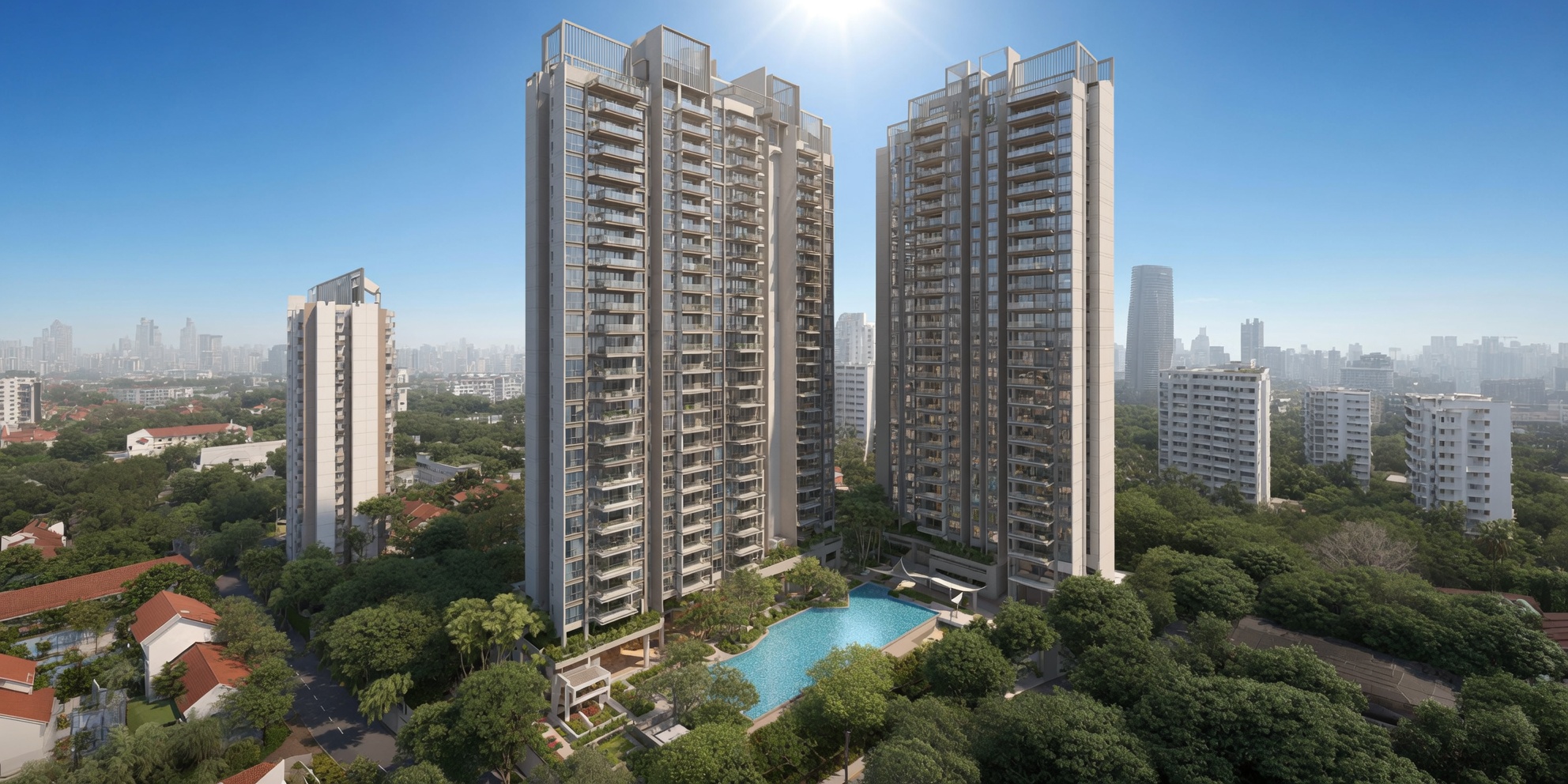
River Opus is located in River Valley, where the surrounding urban landscape forms part of the visual context for the development.
For prospective residents, views and natural light can be considered together with the position of the selected apartment within the development.
Higher and lower floors can have different outlooks, while surrounding buildings may influence what residents see from their windows.
The specific unit should therefore be assessed rather than relying on a general description of the project.
Look at More Than the View
An attractive outlook can be appealing, but buyers should also think about practical matters.
What direction do the main living spaces face?
Where are the bedrooms positioned?
Does the apartment receive light in the rooms where residents spend the most time?
These questions can be more relevant than whether a particular view looks impressive in a photograph.
Privacy and Window Position
Large windows can provide excellent natural light, but they can also create privacy considerations depending on the surrounding buildings.
Buyers can observe the relationship between their potential unit and nearby residential blocks.
If neighbouring apartments are very close, window positioning may become more important.
Curtains and blinds can address some privacy concerns, but they may also reduce natural light when closed.
Higher Floors Can Have Different Conditions
Floor level can influence the outlook from an apartment.
A higher floor may provide a different visual perspective from a lower floor, although the actual experience depends on the surrounding environment.
Noise, wind exposure, sunlight and views can all vary according to elevation.
Prospective buyers should therefore examine the specific floor rather than assuming that every unit in a tower will feel identical.
Visit at a Suitable Time
The timing of a viewing can influence what buyers notice.
A late-afternoon visit may reveal conditions that are not apparent during a morning appointment.
If natural light is a major priority, buyers can ask whether another viewing time is possible.
This can provide additional information before making a decision.
Consider Artificial Lighting
Natural light is valuable, but every home also relies on artificial lighting.
Buyers can think about how the apartment would be used after sunset.
The placement of ceiling lights, task lighting and lamps can influence how practical different rooms are during the evening.
A well-considered home needs to work throughout the full day.
Ventilation Deserves Attention
Windows and openings can also affect airflow.
Buyers can examine whether different parts of the apartment have opportunities for natural ventilation.
Air movement will depend on the specific design, surrounding structures and weather conditions, so it should be assessed during a physical visit where possible.
Don’t Judge Orientation in Isolation
Orientation is one factor among many.
A unit with a preferred direction may still have a layout that does not suit the household.
Likewise, a property with less emphasis on a particular orientation may provide an excellent floor plan or more practical living arrangement.
The goal is to understand the trade-offs rather than search for one universal formula.
Ask for Specific Unit Information
When comparing units, buyers can request details about the stack, floor and orientation.
They can then relate those details to the floor plan and surrounding site layout.
This makes the research more precise than relying on broad project-level descriptions.
Use the Same Method for Every Property
Consistency can make comparisons easier.
For each shortlisted unit, record:
- Main window positions
- Approximate orientation
- Floor level
- Surrounding buildings
- Expected natural-light conditions
- Privacy considerations
- Ventilation opportunities
- Relevant viewing observations
This creates a factual record that can be reviewed later.
A More Detailed Way to Compare Units
For buyers researching One Chuan Grove, examining the orientation and position of individual units can add another layer to the floor-plan comparison.
For those considering River Opus, the River Valley surroundings and specific tower position can similarly be included when evaluating natural light, outlook and privacy.
There is no single orientation that guarantees the best residential experience.
What matters is how the apartment’s position interacts with its layout, surrounding environment and the household’s daily habits.
By paying attention to natural light, window placement, heat, privacy and ventilation, Singapore homebuyers can move beyond basic floor-area comparisons and develop a more complete understanding of how a particular apartment may function throughout the day.