Category: Home Improvement

  • The Indispensable Role of Property Managers in Handling Emergencies 24/7

    The Indispensable Role of Property Managers in Handling Emergencies 24/7

    In the dynamic world of real estate, property ownership comes with a myriad of responsibilities, not least of which is the constant vigilance required to maintain the safety, functionality, and value of an asset. While proactive maintenance and routine management are crucial, it is during unexpected emergencies that the true value of a professional property manager becomes unequivocally clear. From burst pipes in the dead of night to unexpected security breaches, property managers stand as the frontline defense, offering round-the-clock responsiveness that is simply indispensable for seamless property operations and owner peace of mind.

    The Unpredictable Nature of Property Emergencies

    Properties, whether residential or commercial, are complex ecosystems subject to wear and tear, environmental factors, and human interaction. This inherent unpredictability means that emergencies can strike at any time, often without warning, and frequently outside of standard business hours. These incidents are not just inconveniences; they can pose significant risks to safety, cause extensive damage, and lead to substantial financial losses if not addressed promptly and effectively.

    The 24/7 Readiness of Professional Property Managers

    Unlike an individual property owner who may have other commitments or limited access to resources, a professional property management in anaheim ca company is structured to provide continuous, 24/7 emergency response. This readiness is a core component of their service offering and a key differentiator.

    Immediate Availability and Response Protocols

    A critical aspect of emergency handling is rapid response. Property managers establish robust protocols for handling after-hours calls:

    • Dedicated Emergency Hotlines: A specific phone number or system that is monitored continuously, directing calls to on-call personnel.
    • Tiered Response Systems: Often, a triage system is in place to assess the severity of an emergency and dispatch the appropriate response team immediately.
    • Geographic Coverage: For larger portfolios, managers ensure there are personnel or contractors available within a reasonable proximity to all managed properties.

    This immediate availability ensures that problems are addressed in their nascent stages, minimizing potential damage and disruption.

    Expert Assessment and Troubleshooting

    Upon receiving an emergency call, property managers are not just dispatchers; they are often the first point of contact for assessment. Their experience allows them to:

    • Diagnose the Problem: Often, they can gather enough information from the caller to make an initial assessment of the situation’s severity and nature.
    • Provide Initial Guidance: They can advise occupants on immediate safety measures (e.g., turning off water mains, unplugging appliances) before technicians arrive.
    • Prevent Escalation: Early, accurate assessment can prevent a minor issue from spiraling into a major catastrophe.

    Network of Trusted Vendors and Contractors

    One of the most invaluable assets a property manager possesses is their established network of pre-vetted, reliable, and licensed contractors. In an emergency, time is of the essence, and there’s no room for guesswork or searching for a reputable service provider.

    • Pre-negotiated Rates: Often, property managers have long-standing relationships with contractors, which can lead to preferential service and even pre-negotiated, competitive rates for emergency call-outs.
    • Specialized Expertise: They have contacts for every type of emergency you can encounter in Southampton– plumbers, electricians, HVAC technicians, locksmiths, roofers, and general contractors.
    • Reliability and Accountability: These vendors understand the urgency of property management emergencies and are expected to deliver prompt, high-quality service, knowing their ongoing relationship with the property manager depends on it.

    Protecting Property Value and Mitigating Liability

    Effective emergency management directly translates into safeguarding the financial interests of property owners.

    Minimizing Property Damage and Cost

    The faster an emergency is addressed, the less extensive the damage is likely to be. For instance, a quick response to a burst pipe can prevent widespread water damage to floors, walls, and personal belongings, saving thousands in repair and remediation costs. Similarly, immediate action on a security breach can prevent theft or further vandalism.

    Conclusion

    In the demanding world of property ownership, the unexpected is not a matter of “if,” but “when.” The constant threat of emergencies, coupled with the need for immediate, expert intervention, underscores the truly indispensable role of professional property managers. Their 24/7 availability, established networks, expert crisis management, and commitment to comprehensive follow-up provide an invaluable shield for property owners. Beyond just fixing problems, they protect assets, ensure tenant well-being, mitigate financial risks, and ultimately, deliver the priceless commodity of peace of mind. For any property owner, the decision to engage a skilled property manager for emergency handling is not just a convenience; it is a strategic necessity.

  • Garden Designer’s Secrets to Buying and Growing Stepover Apple Trees

    Garden Designer’s Secrets to Buying and Growing Stepover Apple Trees

    Stepover apple trees have a compact shape which makes them highly suitable for smaller gardens, patios, and even decorative borders, while still producing a respectable crop of apples each season. Many people in Britain are embracing the idea of adding these miniature wonders to their spaces, especially as a growing number look to incorporate ornamental and productive plants in limited outdoor areas.

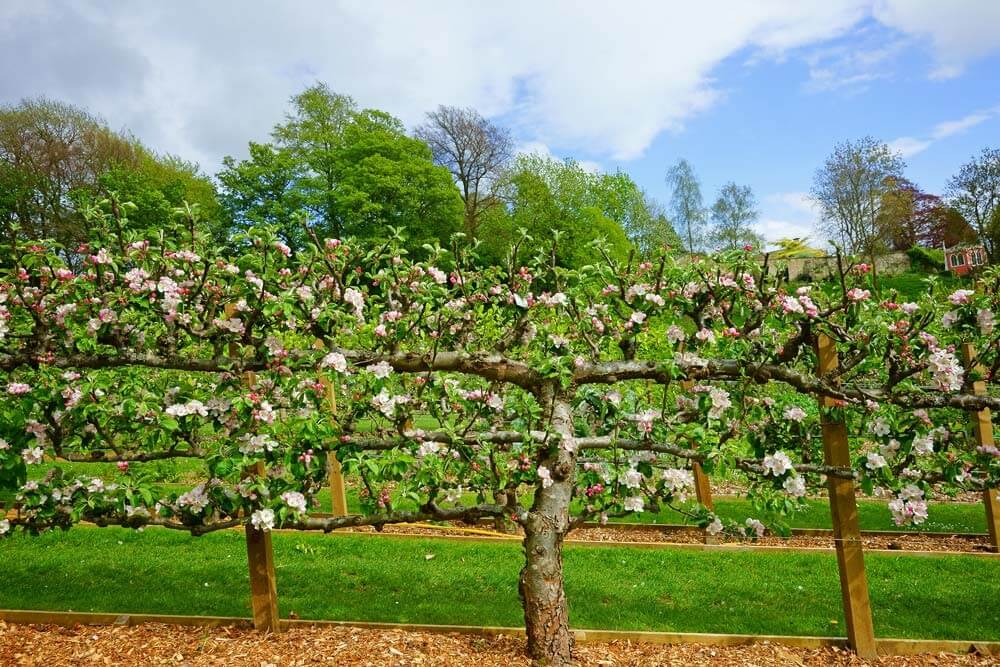
    There is a clear shift across the country toward more sustainable and hands-on approaches to gardening, with stepover apple trees fitting perfectly into this trend. Instead of relying solely on ornamental shrubs and annual flowers, gardeners are discovering the satisfaction of growing something that is both beautiful and beneficial. Stepover apple trees can be trained to form neat horizontal branches, creating a low-growing, easily manageable fruit tree that doubles as an eye-catching design feature. Over time, homeowners can enjoy fresh apples, as well as the aesthetic impact of these charming trees in their gardens.

    For those with minimal space, stepover apple trees are a practical alternative to larger standards or even dwarf varieties. Garden designers admire them for the ease with which they can be shaped to define borders or create an almost architectural focus within a planting scheme. Because they rarely exceed knee height, stepovers also make tending the garden more convenient, allowing gardeners to incorporate other complementary plants. Enthusiasts keen on achieving a classical garden look may use them in rows along pathways or as edging for vegetable plots, blending practicality and style in one planting.

    Anyone planning a fruit-centric garden might also be tempted by the broader selection of fruit trees in general, as apples are hardly the only option. Plums, cherries, pears, and more exotic species can be incorporated into a well-planned edible landscape. Over the years, many people have found it increasingly rewarding to buy fruit trees and cultivate their own produce right at home, cutting out long supply chains while gaining better control over quality and variety.

    A nursery specialist at CRJ FruitTrees has observed a surge in interest among gardeners looking to make the most of their outdoor spaces: “We often guide customers on choosing the right variety of stepover apple trees for their garden design. They are remarkably versatile, not just as productive fruit trees but also as living borders. For more comprehensive guidance on the best varieties and planting methods, you can explore Stepover Apple Trees which offer a wide selection and expert advice to help you achieve both aesthetics and productivity in your garden.”

    The Appeal of Stepover Apple Trees
    Stepover apple trees exemplify the harmony between functionality and style, a balance that every garden designer craves. Their diminutive stature, achieved through careful grafting and training, allows them to be placed in a variety of positions that might not be suitable for larger trees. Instead of shading flowerbeds or blocking pathways, they sit at a low height, accentuating the space around them without overpowering it.

    In many traditional orchard setups, a full-size apple tree may serve a purely productive role and sometimes overshadow its immediate environment. Stepover apple trees invert this dynamic by providing manageable harvests while contributing to the aesthetic layout of a garden. Planted in a line, they can form a boundary, naturally drawing the eye along their horizontal branches. This design flexibility has led to their inclusion in both contemporary and cottage-style gardens, as they can adapt to either setting through the selection of suitable apple varieties and creative training techniques.

    Beyond the aesthetic benefits, stepovers offer practical advantages. Their size makes routine tasks such as pruning, pest control, and harvesting far more straightforward. Gardeners can maintain their trees without needing ladders or extended pruning tools, and the annual upkeep is often less daunting than with larger specimens. This ease of handling encourages good orchard hygiene and timely interventions, resulting in a healthier, more productive tree.

    Another appealing aspect of stepovers is the chance to grow multiple apple varieties in a confined area. By planting several stepover trees, each producing a different type of apple, gardeners can extend the season of harvest and experiment with various flavors and uses. Some gardeners enjoy combining early-season varieties for immediate use with late-season apples that store well into the winter. Others blend cooking varieties with those perfect for fresh eating, ensuring year-round interest and variety in the kitchen.

    Key Varieties of Stepover Apple Trees
    Stepover apple trees can be created from a range of varieties, although not every type of apple is ideal for this form. Gardeners often look for cultivars known for reliable cropping and disease resistance, as well as those that can handle the minor stress of training. Familiar favorites, such as ‘Discovery’ or ‘James Grieve,’ are often used because of their adaptability and pleasant flavor. However, there is a wide range of British heritage apples that excel as stepovers, each carrying unique flavors, harvest times, and pollination characteristics.

    Choosing the right variety frequently depends on personal preference. A sweet dessert apple, for instance, can be harvested for fresh snacks, while a sharper, more acidic cooking apple can bring depth to homemade pies and sauces. Some hobbyists enjoy the challenge of balancing these characteristics by planting different varieties in one row, ensuring that each tree adds to an ever-changing harvest throughout the season.

    It is generally advisable to select self-fertile or partially self-fertile varieties when planting a single stepover tree. For gardeners wishing to grow multiple stepovers, the pollination group becomes critical. A well-coordinated selection of varieties that flower around the same time will result in better fruit set. Local knowledge from nurseries, including CRJ FruitTrees, can be invaluable in making a suitable choice, as climate considerations and disease pressures can differ regionally within Britain.

    Ideal Growing Conditions
    Though stepover apple trees can be grown under relatively modest conditions, there are a few essential environmental factors. Apples typically perform best in a spot with full sun or at least six hours of direct sunlight each day. This level of exposure encourages good flowering, reliable fruit set, and optimum flavor development. In shadier conditions, the trees may still survive but could produce fewer apples, and the overall vigor might diminish over time.

    The soil should be well-draining to prevent waterlogged roots. While apple trees appreciate consistent moisture, standing water can lead to root rot and other health issues, especially for trees trained to a low height. Adding organic matter, such as garden compost or well-rotted manure, can improve soil structure, enhance fertility, and retain moisture in free-draining soils. In heavier soils prone to compaction, raised beds can be an effective solution, particularly for smaller forms like stepovers. The addition of grit or coarse sand can further improve drainage in clay-based soils.

    Shelter from strong winds and frost pockets is beneficial. Because stepover apple trees grow so close to the ground, cold air can accumulate around them in low-lying areas, potentially affecting blossom and fruit set. Providing some windbreak or planting in a slightly elevated position may reduce cold damage. An advantage of the low profile, however, is that these trees can be covered quickly with horticultural fleece during unexpected cold snaps in spring, offering extra protection to developing buds and blossoms.

    Designing with Stepover Apple Trees
    Stepover apple trees lend themselves to design creativity. In formal gardens, they can define pathways and create structure without overwhelming the space. Their precisely trained branches can be aligned to mirror garden lines and shapes, accentuating geometric patterns. Meanwhile, in cottage gardens, they can be woven into flower borders to add a whimsical element, with blossoms and fruit providing seasonal interest among flowering perennials.

    Some designers choose to alternate stepover apple trees with different varieties or other stepover fruit trees, like pears, to produce a mixed line of colors and forms. This approach enriches the visual tapestry while still maintaining an organized planting scheme. Others use them around vegetable plots, turning a functional kitchen garden into a visually appealing space where fruit and vegetables grow side by side.

    Patio gardeners, too, can benefit from the small stature of stepovers. A single tree in a container can be placed against a wall or rail, drawing the eye horizontally rather than vertically. This provides a welcome relief from tall climbers or potted shrubs, which can sometimes create the illusion of cramped space. The ability to reposition a potted stepover tree allows for better control over microclimates, especially helpful in cooler or windier regions.

    Planting, Training, and Maintenance
    Though the training process may seem intimidating at first, establishing a stepover apple tree is straightforward with the right guidance. Typically, a young maiden whip (a single, unbranched stem) is selected in its dormant state and planted so that the graft union sits just above the soil line. Gardeners then choose the desired height for the horizontal branches—often around 30–45 centimetres from the ground. Anything above this point becomes the main trunk. The branches that shoot out at right angles to this trunk are then tied down to canes or horizontal support wires, guiding their growth into a neat line.

    As the tree grows, new shoots that appear along the main branches should be pruned back after a handful of leaves, encouraging spurs to form for future fruit production. The central leader is usually pruned back to maintain the low height, limiting any upward growth and redirecting the tree’s energy to the horizontal branches. Regular attention to pruning keeps the shape consistent and ensures a balance between new growth, fruiting spurs, and overall tree health.

    Feeding and watering stepover apple trees is important, especially in containers or poor soils. Applying a balanced, slow-release fertilizer in spring supports growth and flowering. Organic mulches around the base of the tree help conserve moisture and reduce weed competition, though they should not be piled against the trunk. A consistent watering routine is essential during dry spells, particularly in the early years of establishment or if the tree is in a pot.

    Pest and Disease Challenges
    Stepover apple trees, like any apple variety, can fall victim to pests and diseases if left unchecked. The close proximity of the branches to the ground may increase exposure to soil-borne pathogens or pests migrating from other garden plants. However, the advantage of the low height and open structure is that problems can often be detected and dealt with quickly.

    Common pests include aphids, codling moths, and apple sawflies, each of which can reduce fruit quality or overall tree vigor. Natural predators like ladybirds and lacewings can help keep aphids under control, and there are a variety of traps and barrier methods for moths. The key is frequent inspection: a quick walk around the garden to check the leaves and developing fruit can reveal early signs of infestation.

    Diseases such as apple scab, mildew, and canker can affect leaves, stems, and fruit. Selecting disease-resistant varieties in the initial planting stage helps mitigate these problems. Good air circulation around the tree is also important, which is one benefit of training branches on a single plane. Pruning to remove any infected or crowded growth will enhance ventilation, lowering the risk of fungal diseases taking hold. In more severe cases, fungicidal sprays approved for home use may help control outbreaks, provided they are applied as directed.

    Harvesting and Storage
    Harvest times vary depending on the variety, with some apples ripening in late summer and others only ready in autumn. One of the joys of having multiple stepover apple trees is staggering the harvest across different times, ensuring a steady supply of fresh apples. Some varieties can even store until Christmas or beyond when handled properly.

    Picking apples at the right moment is crucial. A gentle twist or upward tilt can test whether the fruit separates cleanly from the spur. If it resists, it likely needs more time. Overripe apples may drop naturally, increasing the risk of bruising or attracting wasps and other pests. Because stepovers are within easy reach, harvesting can be done carefully and systematically without straining.

    Proper storage involves placing apples in a cool, well-ventilated space. Wrapping individual fruits in paper can extend freshness by reducing the risk of one spoiled apple affecting others. Some people prefer storing them on slatted shelves or in wooden boxes with layers of paper. If certain apples show signs of minor damage or bruising, they should be eaten first or turned into preserves to prevent waste. This simple approach ensures that even smaller harvests from stepover trees can be put to good use over an extended period.

    Troubleshooting and Practical Tips
    Much of the success with stepover apple trees comes down to consistent attention rather than brute-force effort. Because they are so low and compact, even small changes in condition can be spotted quickly. Gardeners who make a habit of walking through their plots every few days, checking the foliage, fruit, and soil moisture, will likely nip most potential problems in the bud before they escalate.

    Competition from nearby plants is another consideration. While stepover apple trees are generally robust, allowing invasive weeds or aggressive ground cover to encroach can inhibit growth. Keeping the base area weed-free and mulched can help the shallow roots secure the nutrients and moisture they need. Similarly, ensuring that the support for the horizontal branches is sturdy and regularly adjusted prevents any bending or snapping under the weight of developing fruit.

    For those venturing into stepovers for the first time, local or regional gardening communities can be an invaluable resource, especially when it comes to tackling site-specific concerns such as salty coastal winds or overly alkaline soils. Experienced gardeners often share time-tested methods for improving conditions, providing both moral support and practical strategies that can translate into success.

    Potential Challenges and Misconceptions
    One misconception about stepover apple trees is that they require tedious pruning all year round. While it is true that precise pruning is necessary to maintain their shape, this is typically confined to a couple of key periods: late winter, before new growth begins, and summer, after the fruit has set and the branches have developed. The pruning steps become second nature with practice, and any additional trimming is usually minimal.

    Another challenge that some gardeners face is the temptation to let the tree grow taller or more unrestrained, especially if they become impatient for a larger harvest. Doing so undermines the core principle of a stepover. Its defining feature is the single horizontal plane of branches at a low height. Abandoning this shape results in a small standard or a bush tree, which may still be productive, but loses the distinctive design advantage and easy-to-maintain framework. A patient, consistent approach with gentle guidance is the best route to preserving the unique qualities of a stepover apple tree.

    Availability of suitable rootstocks can also cause confusion. Many stepovers are grafted onto dwarfing rootstocks such as M9 or M27. If the rootstock is incorrectly matched to the variety or the soil conditions, the tree may struggle to thrive or grow too vigorously. This is where specialist nurseries like CRJ FruitTrees offer reliable advice on matching variety to rootstock, ensuring a stable, healthy plant that will produce fruit for years to come.

    Continuing the Tradition of Home-Grown Produce
    Home fruit cultivation has been an integral part of British gardening heritage for centuries. Stepover apple trees are a modern take on historical training methods that allowed growers to maximize space and production, whether in kitchen gardens of large estates or modest cottage plots. This tradition continues to evolve, fueled by the desire for fresh, local produce and the satisfaction of a personal touch.

    In the past, larger espaliered trees or cordons were commonly trained against walls in walled gardens. Stepover apple trees are essentially a miniature version of these techniques, providing similar structure but with even greater flexibility. By adopting methods once reserved for stately manors, home gardeners can achieve a certain grandeur in their own plots, albeit on a more modest scale.

    Moreover, the modern trend toward sustainable living resonates with the concept of smaller, more efficient fruiting spaces. Stepover apple trees embody this ideal, allowing gardeners to plan meticulously while taking advantage of every inch of growing space. In dense urban areas where gardens might be limited to a few square metres, stepovers present a practical solution that doesn’t compromise on either aesthetics or productivity.

    Blending Style with Ecology
    Apple blossoms are an important nectar source for pollinating insects in early spring. By planting stepover apple trees, gardeners can enhance local biodiversity, as bees and other pollinators will frequent the blossoms. This ecological benefit merges seamlessly with the decorative role of the trees, turning them into an important component of any wildlife-friendly garden design.

    For those who wish to extend ecological benefits further, companion planting can be introduced around the base or along the boundary formed by the stepovers. Herbs like chives, sage, or thyme can help deter certain pests while attracting beneficial insects. Flowering annuals or small perennials may also add color beneath the horizontal branches, creating a layered effect that transforms a simple row of trees into a vibrant and ecologically supportive habitat.

    Maintaining an ecological focus does not mean letting the garden become overgrown or disorderly. Indeed, stepovers are a testament to the idea that structured design and wildlife-friendly elements can complement each other. Regular maintenance ensures that the trees remain a focal point, while pollinator-friendly plants weave in and out, offering visual charm and a nurturing environment for local fauna.

    Why Stepover Apple Trees Suit Modern Lifestyles
    In modern British life, time and space are often at a premium. Stepover apple trees cater perfectly to these constraints by staying compact and requiring only a moderate level of care. Their decorative appeal also suits the current trend for stylish outdoor living areas, where families entertain friends or simply unwind. In a single multipurpose plant, gardeners can enjoy ornamental value, fruit production, and conversation-starting design.

    These trees also cater to the creative impulses of gardening enthusiasts. Training a stepover is a hands-on experience that rewards patience and craftsmanship. Over the years, the tree takes on a distinct character, shaped by the gardener’s choices in pruning and support. This process can become a cherished hobby, with every season revealing new developments in branch structure, flowering patterns, and the eventual fruit harvest.

    Additionally, stepover apple trees reflect a broader shift toward integrating horticulture into everyday life. People increasingly seek to produce their own food, reduce their carbon footprint, and teach younger generations about the natural world. A single row of stepovers, or even just one carefully tended tree, can serve as a practical reminder of these values, from the blossoming spring to the final harvest in autumn.

    A Practical Path to Ownership
    For prospective buyers, finding the right stepover apple tree usually involves consulting a specialist nursery that can advise on the most suitable variety and rootstock for a given site. Recommendations take into account local climate, soil type, and the desired fruiting period. The ability to buy fruit trees from a trusted supplier ensures that the plants meet high standards of health and authenticity, with accurate labeling for variety and rootstock.

    It is worth noting that newly planted stepovers may require a year or two to establish their form fully. During this time, consistent watering, regular feeding, and cautious pruning will help them develop strong framework branches. Patience pays dividends, as once the basic structure is set, the trees continue to reward with blossoms and fruit for many years, all the while retaining their low, manageable profile.

    The return on this investment is substantial. Beyond the tangible rewards of fresh apples, owners appreciate the heritage and artistry behind their living ornaments. Whether integrated into a larger orchard design or standing alone along a garden path, a well-cultivated stepover apple tree adds lasting value to any property. The sense of achievement gained from nurturing and shaping a tree to its unique form is often cited as one of the most enjoyable aspects of gardening.

    Conclusion
    Stepover apple trees epitomize an artful approach to home fruit growing, blending form and function in a way that appeals to both seasoned gardeners and newcomers alike. The care and planning that go into selecting varieties, training the branches, and maintaining overall health can transform even the smallest of gardens into a productive, visually captivating space. Their adaptability makes them an excellent choice for British climates, fitting gracefully into courtyards, allotments, suburban plots, and rural estates.

    Any gardener who values both design and productivity will find that stepovers fulfill these needs in a truly distinctive manner. While the initial setup and training require patience, the long-term rewards—both in fresh fruit and ornamental allure—are well worth the effort. By keeping them low and compact, stepovers invite fuss-free pruning and easier harvesting, making them an accessible yet sophisticated option for virtually anyone with an interest in horticulture.

    As people continue to rediscover the joys of growing their own food, the concept of the small-scale orchard is gaining momentum. Stepover apple trees play a prominent role in this revival, proving that well-crafted horticultural techniques from the past can seamlessly blend into modern lifestyles. Whether used as living borders or centrepieces, these diminutive apple trees bring character, structure, and abundance to gardens across Britain. For those ready to embark on a new gardening adventure, stepover apple trees are a timeless, rewarding choice that highlight the best of British horticultural tradition.

  • Understanding Battery Anxiety and How to Overcome It While Camping

    Understanding Battery Anxiety and How to Overcome It While Camping

    As our reliance on portable devices grows, so does a phenomenon known as battery anxiety. This feeling of unease arises when we’’re uncertain about our devices’ battery life, especially in remote settings like a camping trip. The fear of running out of power can overshadow the joy of outdoor adventures. In this blogarticle, we’’ll explore what battery anxiety is, how to manage it while camping, and introduce the Jackery Solar Generator 600 Plus as an effective solution of solar backup generator.

    What is Battery Anxiety?

    Battery anxiety is the stress or worry associated with low battery levels on our devices. It can manifest in various forms, such as:

    – Constantly checking battery levels: Many campers find themselves obsessively monitoring their device’s battery status, which can detract from their enjoyment of nature.

    – Avoiding the use of devices: The fear of running out of power may lead you to limit the use of essential devices, such as GPS, cameras, or even lights, which can hinder your camping experience.

    – Planning around charging options: You might find yourself overly focused on locating charging stations or worrying about how to recharge devices while in the wilderness.

    How to Deal with Battery Anxiety While Camping

    1. Plan Ahead

    Before heading out, assess your power needs. Make a list of devices you’’ll be using and determine how much battery life each requires. This planning will help you gauge how much power you need to bring along.

    2. Invest in a Reliable Power Source

    Having a dependable power source can significantly alleviate battery anxiety. Consider a solar backup generator that can charge your devices without needing a wall outlet. This ensures you have power wherever you are.

    3. Limit Device Usage

    Be mindful of your device usage while camping. Prioritize essential tasks such as navigation and communication, and save entertainment for when you have ample battery life. This conscious effort can help extend your battery life.

    4. Utilize Energy-Efficient Devices

    When possible, use energy-efficient devices and tools. For example, opting for LED lights or solar-powered gadgets can help reduce overall energy consumption, allowing you to stretch your power supply further.

    5. Stay Calm and Enjoy Nature

    Finally, remind yourself that being outdoors is about enjoying nature. While staying connected is important, don’’t let battery anxiety overshadow the experience. Embrace the moment and focus on the beauty around you.

    Introducing the Jackery Solar Generator 600 Plus

    For campers looking to eliminate battery anxiety, the Jackery Solar Generator 600 Plus is an excellent battery backup solution. Here’’s why it stands out:

    1. Powerful Output and Capacity

    With an 800W output and a 632Wh capacity, the Jackery Solar Generator 600 Plus can power a wide range of outdoor devices, from coolers to camping lights. This versatility means you can keep your essential gear charged without worry.

    2. Enhanced Charging with Solar Panels

    For those who want to maximize their charging efficiency, pair the Jackery Solar Generator 600 Plus with the Jackery 100W Bifacial High-Efficiency Solar Panel. This combination allows you to harness the sun’’s energy during the day, ensuring you have power when you need it.

    3. Lightweight and Durable Design

    The Jackery Solar Generator 600 Plus is designed for portability. Its lightweight construction makes it easy to carry on your adventures, while its durable build ensures it can withstand the rigors of outdoor use.

    4. Convenience for All Your Adventures

    This generator is the ultimate portable power solution, easily charging outdoor fun while providing peace of mind. With the Jackery Solar Generator 600 Plus, you can focus on enjoying your camping experience without the stress of battery anxiety.

    Conclusion

    Battery anxiety can dampen the joy of camping, but with proper planning and the right tools, you can alleviate this concern. The Jackery Solar Generator 600 Plus offers a reliable and powerful solution to keep your devices charged while you immerse yourself in nature. Embrace your outdoor adventures with confidence, knowing that you have the power you need to stay connected and enjoy every moment!

  • Little Elm Residents: Steps to Take After Water Damage

    Water damage can be a devastating experience for homeowners in Little Elm. Whether caused by a burst pipe, heavy rain, or a malfunctioning appliance, water damage requires immediate attention to prevent further complications. This blog will outline the essential steps that Little Elm residents should take after experiencing water damage to ensure a safe and effective restoration process.

    Understanding Water Damage

    Water damage occurs when excess water infiltrates areas of your home where it shouldn’t be. This can result from various sources, including natural disasters like floods and storms, plumbing failures, roof leaks, and even condensation from HVAC systems. Recognizing the early signs of water damage and taking immediate action can prevent further complications.

    Immediate Steps to Take After Water Damage

    Ensure Safety First: Before you begin the cleanup process, ensure that it’s safe to enter your home. Turn off the electricity, especially if there’s standing water, to avoid electrical hazards. Wear protective gear such as gloves, boots, and masks to protect yourself from contaminants in the water.

    Stop the Source of Water: The first step in addressing water damage is to identify and stop the source of the water. This could involve turning off the main water supply, fixing a leaking pipe, or repairing a roof leak. Stopping the source of the water is crucial to prevent further damage.

    Remove Standing Water: Use pumps, wet vacuums, or buckets to remove standing water from your home. The quicker you can remove the water, the less damage your home will sustain. For severe flooding, consider hiring professional water removal services.

    Document the Damage: Take photos and videos of the water damage for insurance purposes. Documenting the damage will help you make accurate claims and ensure that you receive the necessary compensation from your insurance company.

    Drying and Cleaning

    Dry the Affected Area: Thoroughly drying out the affected area is critical to prevent mold growth. Use fans, dehumidifiers, and open windows to increase air circulation and speed up the drying process. In some cases, professional drying equipment may be necessary.

    Remove Damaged Materials: Once the water is removed, assess the damage to your belongings and the structure of your home. Remove any materials that have been heavily damaged, such as carpets, rugs, and drywall. These materials can harbor mold and bacteria, posing health risks.

    Clean and Disinfect: Water damage can introduce harmful bacteria and contaminants into your home. Clean all affected surfaces with soap and water, then disinfect with a bleach solution or other appropriate disinfectants. This step is vital to ensure your home is safe and sanitary.

    Inspect for Mold: Mold can develop quickly after water damage. Regularly inspect your home for any signs of mold growth, such as discoloration or a musty odor. If you find mold, it’s essential to address it immediately to prevent it from spreading. Professional mold remediation services may be necessary for severe infestations.

    Repair and Restoration

    Repair and Restore: Once your home is clean and dry, you can begin the repair and restoration process. This may involve replacing damaged drywall, flooring, and insulation, as well as repainting walls. Hiring a professional water damage repair and restoration company can ensure that repairs are done correctly and efficiently.

    Check for Structural Damage: Water damage can compromise the structural integrity of your home. Inspect your foundation, walls, and ceilings for any signs of damage, such as cracks or sagging. Addressing structural damage is crucial for the safety of your home.

    Prevent Future Water Damage: Take steps to prevent future water damage by regularly inspecting your home for potential issues. Check your roof for leaks, ensure your gutters and downspouts are clear, and maintain your plumbing system. Installing a sump pump and water alarms can also help detect and prevent water damage.

    When to Call for Professional Help

    Flooding: If your home experiences flooding due to heavy rains, storms, or plumbing failures, it’s essential to call for professional water damage restoration in Little Elm immediately. Floodwater can cause extensive damage and pose significant health risks.

    Sewage Backup: A sewage backup is a severe issue that requires immediate professional intervention. Sewage water contains harmful bacteria and pathogens that can cause serious health problems.

    Extensive Mold Growth: If you discover extensive mold growth in your home, it’s crucial to call for professional mold remediation services. Mold can spread rapidly and cause respiratory issues and other health problems.

    Structural Damage: If water damage has caused structural issues in your home, such as sagging ceilings, warped floors, or compromised walls, professional restoration is necessary to ensure the safety of your home.

    Experiencing water damage can be overwhelming for Little Elm residents, but taking immediate and effective action is crucial for minimizing damage and ensuring a safe restoration process. By following these steps, you can protect your home from further damage and begin the recovery process. If the damage is severe, don’t hesitate to seek professional help to ensure a thorough and efficient restoration.

  • How to Treat Brown Patch Fungus in Your Lawn

    How to Treat Brown Patch Fungus in Your Lawn

    A lawn with brown patch fungus can quickly become an eyesore. The good news is you can treat brown patch fungus with the right approach. This will restore your lawn’s health and beauty. In this guide, we’ll explore the causes of brown patch fungus. We’ll also cover how to spot its symptoms. And, we’ll look at the best ways to remove it from your lawn.

    The Brown Patch Fungus

    Have you heard of brown patch fungus? Known as Rhizoctonia solani, it can be a problem for lawns. The growth of this bothersome fungus tends to be accelerated when the weather is warm and humid. Kentucky bluegrass, tall fescue, and perennial ryegrass are some of the cool-season grasses that it particularly enjoys upsetting.

    The thing about brown patch fungus is it’s not very picky. It’ll sneak its way into grass plants through any little openings or wounds in the foliage, causing all sorts of trouble. It grows and spreads there rapidly in good conditions.

    Ever wondered what causes brown patch? Your lawn can get it if you use too much nitrogen, not enough air, your soil is too squished, you’re drowning it in water, or you’re using an old mower blade. Keep an eye out if your lawn has a lot of thatch or piles of debris.

    To tackle a brown patch, you’ve got to spot the signs early. When you catch it early, it’s easier to deal with and stop spreading. Keep an eye out and take care of it ASAP to prevent brown patches on your lawn! Common symptoms of brown patch fungus include:

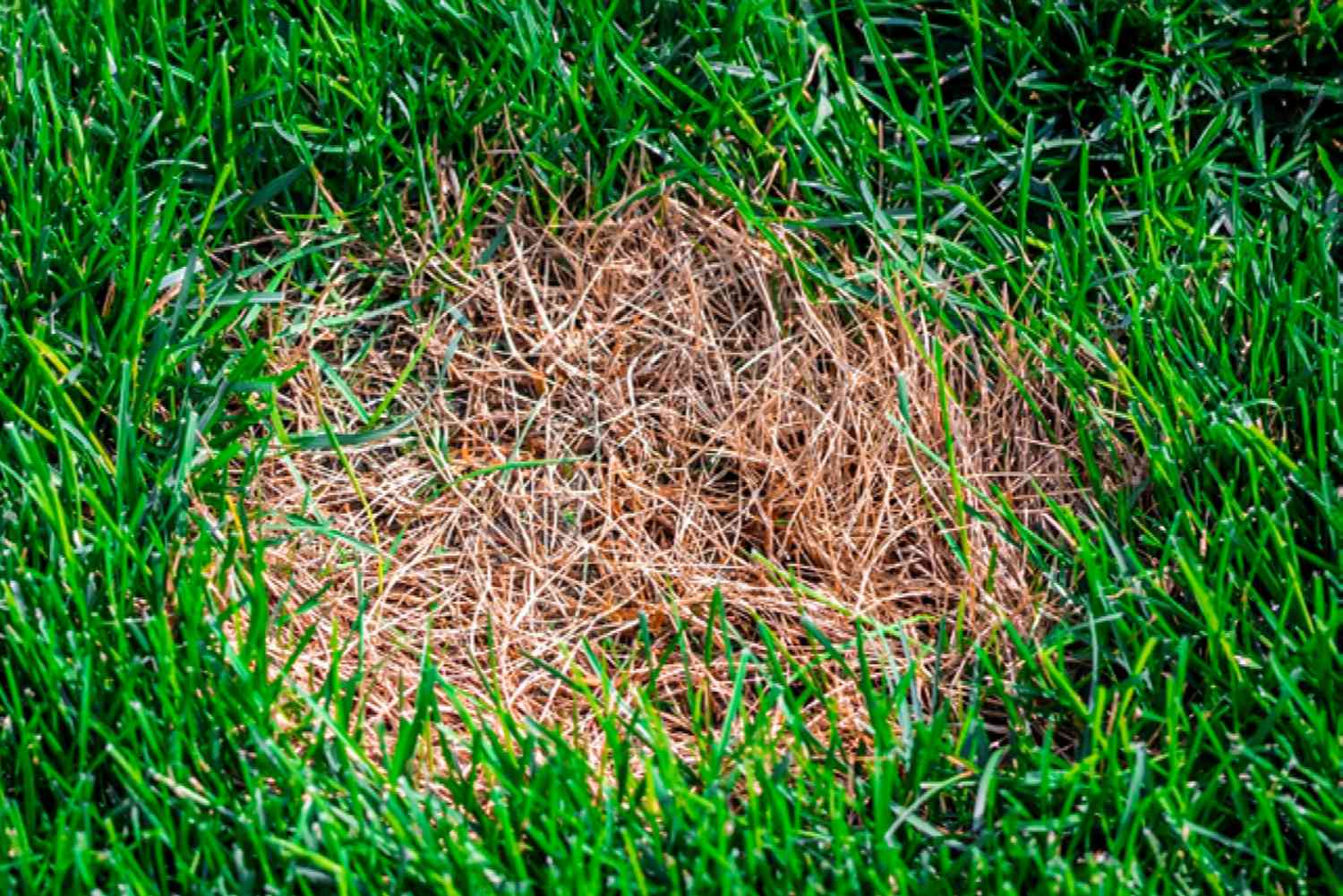
    • The patches are circular or irregular. They are brown or yellowish. They range from a few inches to several feet in diameter.
    • Smoky or halo-like rings of darkened grass at the edges of affected patches.
    • The grass blades are thinning or wilting in the patches. They may look water-soaked or greasy in humid conditions.
    • Fungi cause white or gray growth on grass blades. This happens, especially in humid periods.

    You must tell brown patch fungus apart from other lawn issues. The main ones are drought stress, insect damage, and nutrient deficiencies. The brown patch fungus usually affects a lot of turfgrass. It does so in circular or irregular patterns. Other problems may have different patterns or cause damage in small areas. Ask a lawn care expert or extension specialist about the symptoms in your lawn if you’re not sure.

    Treatment Options for Brown Patch Fungus

    Restore your turf’s health and get rid of the disease. Effective treatment strategies for brown patch fungus fall into several categories:

    • To improve soil drainage and aeration, aerate compacted soil. Also, reduce thatch buildup by dethatching.
    • Avoid overwatering. Water lawns deeply and infrequently. This promotes deep roots and reduces surface moisture.
    • You need to adjust your mowing practices so your turf stays at the right height. Cut off no more than one third of the grass at a time.
    • Use balanced fertilizers on lawns. Do this judiciously to avoid too much nitrogen. High nitrogen can make brown patch fungus worse.
    • Use fungicides made to control brown patch fungus. Follow the label carefully. It has the right dose and how to apply.
    • Choose fungicides with active ingredients like azoxystrobin, propiconazole, or chlorothalonil. They have been shown to effectively suppress brown patch fungus.
    • Treat the affected areas and nearby turf to stop the disease from spreading. This will ensure complete coverage.
    • Use organic fungicides. Neem oil, garlic extract, or potassium bicarbonate are common ingredients. They suppress brown patch fungus without synthetic chemicals.
    • Apply compost tea or liquid seaweed extract to improve soil health. They promote beneficial microbes, which can help fight fungal pathogens.

    Lawn Brown Patches Treatment Strategies

    This is how to treat brown patch fungus in your lawn:

    • Assess The Damage. Inspect your lawn for signs of brown patch fungus. These include circular patches of discolored or wilting grass.
    • Improve Lawn Care Practices. Use cultural management to fix issues that cause brown patch. These issues include soil compaction, thatch, and bad watering or fertilization.
    • Select Treatment Products. Choose fungicides or organic remedies. Base your choice on the severity of the brown patch outbreak and your lawn care preferences.
    • Follow label instructions carefully when applying fungicides or organic remedies to affected areas. Make sure to cover the area well and use the right amount.
    • Monitor Progress: Check treated areas often. Look for improvement or for brown patch symptoms coming back. If your treatment isn’t working, tweak it. Life gets busy, and maintaining your lawn can seem like a chore. Professional lawn care can get all the hard work done for you, so your lawn looks great.

    Monitor and Follow-Up

    After treating brown patch fungus, you must monitor your lawn. You need to do follow-up treatments or adjustments as needed. Keep a close eye on treated areas. Watch for signs of disease suppression. These include regrowth of healthy grass and reduction of brown patch symptoms. If brown patch fungus keeps coming back despite treatment, consider asking a lawn care professional for more help and advice.

    To prevent brown patch fungus and keep a healthy lawn, use long-term strategies. These include ongoing cultural management practices. Also, do regular monitoring for disease symptoms. And, intervene proactively to address issues promptly. By prioritizing proper lawn care and using effective treatments, you can treat brown patch fungus. Then, you can enjoy a vibrant, resilient lawn all year.

    Conclusion

    Treating brown patch fungus in your lawn needs a multi-faceted approach. It must address the underlying issues that contribute to disease. It must also use effective treatments to kill the fungus. You can restore your lawn’s health by understanding the causes and symptoms of brown patch fungus. Then, select appropriate treatments and use proactive lawn care. Remember to watch treated areas closely. Adjust as needed. Prioritize long-term prevention to reduce the risk of brown patch coming back. With diligence and care, you can have a lush, green lawn. It will add beauty and value to your outdoor space for years to come.

  • Discover High-Quality Steel Doors at Sealantonline

    Discover High-Quality Steel Doors at Sealantonline

    When it comes to securing your property with durable and stylish solutions, Sealantonline offers an exceptional range of steel doors. As a trusted provider of construction and building materials, Sealantonline specializes in delivering top-notch products that meet the highest standards of quality and performance.

    Why Choose Sealantonline Steel Doors?

    1. Superior Durability: Sealantonline steel doors are designed to withstand the test of time. Constructed from high-quality steel, these doors offer unmatched strength and resilience, ensuring long-lasting security for your property.
    2. Enhanced Security: Security is a top priority, and Sealantonline steel doors provide robust protection against potential intruders. The solid construction and advanced locking mechanisms ensure your property remains safe and secure.
    3. Versatile Designs: Whether you’re looking for a sleek, modern aesthetic or a classic, traditional look, Sealantonline has a variety of steel door designs to suit any architectural style. Their doors are not only functional but also visually appealing, enhancing the overall appearance of your property.
    4. Energy Efficiency: Sealantonline steel doors are engineered to provide excellent insulation, helping to maintain comfortable indoor temperatures and reduce energy costs. This makes them an ideal choice for both residential and commercial properties.
    5. Low Maintenance: Unlike wooden doors, which require regular upkeep, steel doors from Sealantonline are low maintenance. They resist warping, cracking, and other common issues, ensuring they remain in top condition with minimal effort.

    Applications of Sealantonline Steel Doors

    Sealantonline steel doors are suitable for a wide range of applications, including:

    • Residential Properties: Enhance the security and aesthetic appeal of your home with stylish and durable steel doors.
    • Commercial Buildings: Protect your business premises with robust doors designed to withstand heavy use and potential security threats.
    • Industrial Facilities: Ensure the safety and efficiency of your industrial operations with steel doors built to endure demanding environments.

    Customer Testimonials

    Customers who have chosen Sealantonline steel doors have consistently praised the quality and performance of these products:

    • Emma L., Homeowner: “The steel doors from Sealantonline have been a fantastic addition to our home. They look great and provide us with peace of mind knowing our family is safe.”
    • James P., Business Owner: “Sealantonline delivered on their promise of high-quality steel doors. They are sturdy, secure, and exactly what we needed for our commercial building.”

    Visit Sealantonline for Your Steel Door Needs

    For those in search of reliable and high-quality steel doors, Sealantonline is your go-to destination. With a commitment to excellence and customer satisfaction, they provide products that you can trust to protect and enhance your property.

    Explore their extensive range of steel doors at sealantonline.co.uk and find the perfect solution for your security and design needs. Sealantonline is dedicated to delivering superior products that offer the ultimate combination of durability, security, and style.

  • Orchard Oasis: A Beginner’s Guide to Buying and Growing Apple Trees

    Orchard Oasis: A Beginner’s Guide to Buying and Growing Apple Trees

    Growing apple trees may be a satisfying experience, regardless of the size of your backyard or the size of your garden. You will be able to enjoy a good harvest in your very own orchard oasis if you follow the methods outlined in this tutorial, which will coach you through the basic steps of purchasing and cultivating apple trees.

    Choosing the Right Apple Tree

    Climate and Soil Conditions

    Before purchasing an apple tree, it’s important to understand the climate and soil conditions in your area. Britain generally has a temperate climate, which is suitable for growing a wide range of apple varieties. However, different regions may have slight variations in temperature and rainfall, which can affect your tree’s growth and fruit production.

    Apple trees thrive in well-drained soil with a pH between 6.0 and 7.0. Conduct a soil test to determine the pH and nutrient levels of your soil. If necessary, amend the soil to create an optimal growing environment.

    Selecting the Variety

    Apple trees come in many varieties, each with its own unique flavour, texture, and growth characteristics. When selecting a variety, consider the following factors:

    1. Taste and Use: Determine what you want to use the apples for—eating fresh, baking, or making cider. Different varieties excel in different uses.
    2. Pollination: Most apple trees require cross-pollination to produce fruit. This means you’ll need at least two different apple varieties that bloom at the same time. Some varieties are self-fertile, but having multiple trees will enhance fruit production.
    3. Disease Resistance: Look for varieties that are resistant to common apple diseases such as scab, powdery mildew, and fire blight. This will reduce the need for chemical treatments and make tree maintenance easier.

    Buying the Tree

    When buying an apple tree, you have the option of purchasing a bare-root tree or a container-grown tree. Bare-root trees are typically cheaper and are sold during the dormant season (late autumn to early spring). Container-grown trees are available year-round but can be more expensive.

    Ensure you buy from a reputable nursery that provides healthy, disease-free trees. Inspect the tree for any signs of damage or disease, and ensure the roots are moist and well-formed.

    Planting Your Apple Tree

    Timing

    The best time to plant apple trees in Britain is during the dormant season, from late autumn to early spring. Planting during this time allows the tree to establish its root system before the growing season begins.

    Site Selection

    Choose a sunny location for your apple tree, as they require at least six to eight hours of direct sunlight per day. Avoid planting in low-lying areas where cold air and frost can settle, as this can damage the tree and its blossoms.

    Planting Steps

    1. Prepare the Planting Hole: Dig a hole that is twice as wide and as deep as the tree’s root system. This allows the roots to spread out easily.
    2. Amend the Soil: To increase drainage and fertility, amend your heavy clay or sandy soil with organic matter, such as compost.
    3. Plant the Tree: As you plant the tree in the hole, make sure the graft union—the enlarged spot where the rootstock and the tree were grafted—is above the soil line. To remove any air pockets, carefully compact the earth surrounding the roots as you backfill the hole.
    4. Water Thoroughly: Water the tree deeply after planting to help settle the soil and establish good root-to-soil contact.
    5. Mulch: Apply a layer of mulch around the base of the tree to retain moisture and suppress weeds. Keep the mulch a few inches away from the trunk to prevent rot.

    Caring for Your Apple Tree

    Watering

    Young apple trees need regular watering to establish a strong root system. Water deeply once a week during dry periods, ensuring the soil remains consistently moist but not waterlogged. Mature trees typically require less frequent watering, but it’s important to provide extra water during prolonged dry spells.

    Fertilizing

    Apple trees benefit from regular fertilization to support healthy growth and fruit production. In early spring, apply a balanced fertilizer that is high in nitrogen to encourage vegetative growth. Follow up with a second application in late spring or early summer to support fruit development. Avoid over-fertilizing, as this can lead to excessive vegetative growth at the expense of fruit production.

    Pruning

    Pruning is essential for maintaining the health and productivity of your apple tree. Prune during the dormant season (late winter to early spring) to shape the tree, remove dead or diseased wood, and improve air circulation. Follow these basic pruning principles:

    1. Remove Dead or Diseased Wood: Cut out any branches that are dead, damaged, or showing signs of disease.
    2. Thin Out Crowded Branches: Remove any branches that are crossing or rubbing against each other to improve air circulation and light penetration.
    3. Shape the Tree: Aim to create an open, vase-like shape with a central leader and evenly spaced lateral branches. This encourages better light distribution and reduces the risk of disease.

    Pest and Disease Management

    Apple trees are susceptible to various pests and diseases, which can affect their health and fruit production. Implementing an integrated pest management (IPM) approach can help you keep these issues under control.

    1. Monitor Regularly: Regularly inspect your tree for signs of pests and diseases. Early detection allows for prompt action and reduces the risk of severe infestations.
    2. Encourage Beneficial Insects: Promote a healthy ecosystem in your garden by encouraging beneficial insects that prey on common apple tree pests. Planting a variety of flowers can attract these helpful insects.
    3. Use Organic Controls: When necessary, use organic pest control methods such as neem oil, insecticidal soap, or biological controls like ladybirds. Avoid broad-spectrum pesticides that can harm beneficial insects.
    4. Practice Good Hygiene: Remove fallen leaves and fruit from around the base of the tree to reduce the risk of disease. Proper sanitation helps prevent the spread of fungal infections.

    Harvesting and Storing Apples

    Harvesting

    The timing of apple harvest depends on the variety and growing conditions. Most apples are ready to harvest from late summer to early autumn. To determine if your apples are ripe, perform the following checks:

    1. Colour: The skin colour should have changed to the mature hue for the variety.
    2. Firmness: Gently squeeze the apple; it should feel firm but not hard.
    3. Ease of Picking: Ripe apples should come off the tree easily when twisted and lifted upwards.

    Storing

    Proper storage extends the shelf life of your apples, allowing you to enjoy them for months after harvest. Follow these steps for optimal storage:

    1. Sort and Inspect: Sort your apples, setting aside any that are damaged or bruised for immediate use. Only store healthy, undamaged fruit.
    2. Cool and Humid Conditions: Store apples in a cool, dark place with high humidity. An ideal storage temperature is between 1-3°C (34-38°F). A garage, basement, or unheated shed can work well.
    3. Separate Apples: Place apples in single layers in shallow boxes or trays. Avoid stacking them, as this can cause bruising.
    4. Check Regularly: Regularly check your stored apples for any signs of spoilage and remove any affected fruit to prevent it from spreading.

    Troubleshooting Common Issues

    Poor Fruit Production

    Several factors can lead to poor fruit production in apple trees. These include inadequate pollination, insufficient sunlight, poor soil fertility, or pest and disease problems. Ensure you have compatible pollinator varieties nearby, provide proper care, and address any pest or disease issues promptly.

    Fruit Drop

    Premature fruit drop can be caused by environmental stress, nutrient deficiencies, or pest infestations. Ensure your tree is properly watered and fertilized, and address any pest problems. Thinning the fruit early in the season can also help reduce the burden on the tree and prevent fruit drop.

    Leaf Problems

    Yellowing, curling, or spotted leaves can indicate nutrient deficiencies, pest infestations, or disease. Conduct a soil test to identify any nutrient imbalances and correct them with appropriate fertilizers. Use organic pest and disease control methods to manage any infestations.

    Growth Problems

    Stunted growth or poor vigor can result from poor soil conditions, inadequate watering, or pest issues. Ensure your tree is planted in well-drained soil, water regularly, and monitor for pests. Mulching and proper fertilization can also support healthy growth.

    Expanding Your Orchard

    Adding More Trees

    Once you’ve successfully grown one apple tree, you might want to expand your orchard. Adding more trees can increase your fruit yield and allow you to experiment with different varieties. Follow the same steps for selecting, planting, and caring for additional trees.

    Companion Planting

    Companion planting involves growing different plants together to benefit each other. Some plants can enhance the growth and health of apple trees by attracting beneficial insects, repelling pests, or improving soil fertility. Consider planting flowers, herbs, or other fruit trees near your apple trees to create a more diverse and resilient garden ecosystem.

    Espalier and Other Forms

    If space is limited, consider training your apple trees into different forms such as espalier, where the tree is trained to grow flat against a wall or fence. This not only saves space but also creates a decorative feature in your garden. Other forms include cordons, fans, and stepovers, each offering unique aesthetic and practical benefits.

    Conclusion

    Growing apple trees in Britain can be a delightful and rewarding experience. With careful planning, proper planting, and attentive care, you can enjoy a bountiful harvest of delicious apples right from your garden. Whether you’re a beginner or an experienced gardener, the tips and techniques outlined in this guide will help you create your very own orchard oasis. Happy gardening!

    Source: https://www.chrisbowers.co.uk/ – Whispering Trees Nurseries, West Way, Wimbotsham, King’s Lynn PE34 3QB. Phone: 01366386858

  • Transform Your Living Spaces with Exquisite Home Furniture

    Transform Your Living Spaces with Exquisite Home Furniture

    Your home is a reflection of your personality and style, and the right furniture can truly elevate the ambiance of your living spaces. Whether you’re moving into a new home or looking to revamp your existing one, investing in high-quality home furniture is the key to creating a comfortable and stylish environment.

    When it comes to home furniture, the options are limitless. From classic designs that exude timeless elegance to modern pieces that embrace contemporary trends, there’s something for every taste and preference. Start by envisioning the overall theme you want for your home – be it a cozy and rustic feel or a sleek and minimalist look.

    Consider the focal points of each room, such as the living room, bedroom, and dining area. In the living room, a comfortable sofa and stylish coffee table can set the tone for relaxation and entertainment. For the bedroom, a luxurious bedframe and coordinating nightstands can turn your personal space into a sanctuary. And in the dining area, a well-crafted dining table and chairs become the heart of family gatherings and dinner parties.

    Now, let’s not forget about the often-neglected room in the house – the bathroom. Elevate your daily routine with thoughtfully selected bathroom furniture. A well-designed vanity not only adds functionality but also enhances the aesthetic appeal of the space. Storage solutions like cabinets and shelves help keep your toiletries organized, promoting a clutter-free environment.

    Create Your Personal Oasis with Bathroom Furniture

    The bathroom is a place of rejuvenation and self-care, and the right bathroom furniture can transform it into a luxurious retreat. Imagine stepping into a well-designed space where every element contributes to a sense of serenity and style.

    Start by choosing a vanity that suits the size and style of your bathroom. Whether you prefer a sleek, modern look or a more classic and ornate design, the vanity sets the tone for the entire space. Consider the material – wood, marble, or glass – to achieve the desired aesthetic.

    Storage is a crucial aspect of bathroom design, especially in smaller spaces. Opt for cabinets, shelves, or wall-mounted units to keep your essentials neatly organized. This not only adds functionality but also contributes to a visually appealing and tidy environment.

    Accessorize your bathroom with matching fixtures and fittings. Coordinating taps, towel racks, and mirrors can tie the entire look together, creating a cohesive and harmonious atmosphere. Don’t forget to add some personal touches, such as scented candles, plush towels, and decorative elements that resonate with your style.

    Investing in home and bathroom furniture is more than just buying pieces to fill a space; it’s about curating an environment that reflects your personality and enhances your daily life. With the right choices, your home becomes a canvas for self-expression, a place where comfort meets style, and where every piece of furniture tells a story.

  • Elegant Showers Furniture: Pros and Cons Guide”

    Elegant Showers Furniture: Pros and Cons Guide”

    Introduction: Elegant Showers presents an array of exquisite furniture pieces that redefine your living spaces. In this guide, we’ll delve into the pros and cons of incorporating Elegant Showers furniture into your home, offering valuable insights to aid your decision-making process.

    I. Pros of Elegant Showers Furniture: Elevating Your Living Experience

    1. Timeless Elegance:

    Crafting Aesthetic Appeal

    • Elegant Showers’ furniture exudes timeless elegance, adding a touch of sophistication to any room. The designs are carefully curated to stand the test of time, ensuring enduring aesthetic appeal.

    2. Premium Craftsmanship:

    Meticulous Attention to Detail

    • Each piece from Elegant Showers reflects premium craftsmanship, with meticulous attention to detail. From flawless finishes to intricate designs, the furniture showcases a commitment to excellence.

    3. Functional Luxury:

    Seamless Integration of Form and Function

    • Experience the luxury of functionality with Elegant Showers furniture. The designs seamlessly integrate practical elements, offering a harmonious balance between visual appeal and everyday usability.

    4. Diverse Selection:

    Versatility to Suit Every Style

    • Elegant Showers provides a diverse selection of furniture designs, catering to a range of styles. Whether you prefer traditional warmth or modern minimalism, there’s a piece to suit your unique taste.

    II. Cons of Elegant Showers Furniture: Considerations for Your Decision

    1. Price Point:

    Investment in Quality

    • Content: Elegant Showers’ furniture is an investment in quality, reflecting premium materials and craftsmanship. However, it’s essential to consider the higher price point compared to some alternatives.

    2. Limited Customization:

    Tailoring Options

    • While Elegant Showers offers a diverse range, customization options may be limited. If you seek highly personalized designs, the pre-curated collections may have some constraints.

    3. Availability:

    Access to Exclusive Pieces

    • Some unique or exclusive pieces may have limited availability. It’s advisable to check stock levels, especially if you have specific designs in mind.

    Conclusion: Making an Informed Choice with Elegant Showers Furniture

    Elegant Showers furniture presents a compelling mix of timeless elegance and functional luxury, but it’s crucial to weigh the pros and cons for a well-informed decision. Consider your style preferences, budget, and customization needs before embracing the enduring beauty of Elegant Showers in your living spaces.

  • How to Secure Your Business Against Break-Ins

    How to Secure Your Business Against Break-Ins

    Running a successful business takes a lot of hard work and dedication, but one thing you shouldn’t overlook is the security of your premises. Commercial locks and doors play a crucial role in safeguarding your business from potential break-ins. In this article, we will explore some practical steps you can take to secure your business and protect your valuable assets.

    1.   Assess Your Current Security Measures

    Before making any changes, it’s essential to assess your current security measures. This includes examining your existing commercial locks and doors to ensure they are in good working order. If you have outdated or damaged locks, consider upgrading to more robust and modern options.

    2.   Choose High-Quality Commercial Locks and Doors

    Commercial locks and doors are your first line of defense against break-ins, so it’s vital to invest in high-quality options. Look for locks that are resistant to tampering and provide enhanced security features. Solid steel or reinforced doors can also deter potential intruders. Remember that the investment in quality locks and doors is an investment in the safety of your business.

    3.   Install Proper Lighting

    A well-lit exterior is an excellent deterrent for potential burglars. Install outdoor lighting around the entrance and parking areas to eliminate hiding spots and increase visibility at night. Motion-activated lights can be a cost-effective way to achieve this.

    4.   Security Cameras and Alarms

    Installing security cameras and alarms is another layer of protection for your business. Modern technology allows you to monitor your premises remotely, providing you with peace of mind. Displaying visible security cameras can also act as a deterrent to potential intruders.

    5.   Access Control Systems

    Consider implementing access control systems to restrict entry to authorized personnel only. This technology allows you to manage who can enter your premises, track entry and exit times, and enhance overall security.

    6.   Employee Training

    Make sure your employees are aware of the importance of security and are well-trained in procedures for locking up at the end of the day. Teach them to be vigilant and report any suspicious activity promptly.

    7.   Regular Maintenance

    Commercial locks and doors need regular maintenance to ensure they remain effective. Schedule periodic checks and maintenance for your security systems to catch any issues before they become a problem.

    8.   Secure Windows

    Windows are another potential entry point for burglars. Ensure all windows are equipped with secure locks or security film to prevent easy access.

    9.   Secure Valuables

    Keep valuable assets locked away in a secure area within your business premises, preferably in a safe. This adds an extra layer of protection for your most valuable items.

    10.  Building Relationships with Neighbors

    Forming good relationships with neighboring businesses and residents can be beneficial. They can help keep an eye on your premises and alert you or the authorities to any suspicious activity.

    11.  Conclusion

    Securing your business against break-ins is a critical aspect of ensuring its long-term success. Commercial locks and doors are the first line of defense, and investing in high-quality security measures can go a long way in safeguarding your assets. By assessing your current security, upgrading your locks and doors, and implementing additional security measures like lighting, alarms, and security cameras, you can significantly reduce the risk of break-ins. Regular maintenance and employee training are essential to maintaining the integrity of your security systems. Remember, a secure business is a successful business, and taking these steps will help protect your investment and give you peace of mind.