Blog

  • Understanding and Addressing Nipple Injury from Breastfeeding: Causes, Prevention, and Remedies

    Understanding and Addressing Nipple Injury from Breastfeeding: Causes, Prevention, and Remedies

    Introduction

    Breastfeeding is a beautiful and natural way to nourish and bond with your baby. However, many mothers may experience nipple injury, which can cause discomfort and hinder breastfeeding success. In this comprehensive article, we will explore the various aspects of nipple injury caused by breastfeeding, prevention strategies, and effective remedies. Whether you are a new mother experiencing nipple pain or a healthcare professional seeking to assist breastfeeding mothers, this article will provide valuable insights to promote successful and pain-free breastfeeding.

    Understanding Nipple Injury from Breastfeeding

    1. Nipple Anatomy and Function

    • Exploring the structure and function of the nipple
    • Understanding the importance of a healthy nipple for breastfeeding

    2. Types of Nipple Injury

    • Identifying common types of nipple injury, such as cracks, blisters, and abrasions
    • Examining the severity and potential complications associated with each type

    3. Common Causes of Nipple Injury

    • Poor latch and positioning during breastfeeding
    • Incorrect breastfeeding technique and suction issues
    • Engorgement, inverted nipples, and other anatomical factors

    Prevention Strategies for Nipple Injury

    1. Establishing a Proper Latch

    • Understanding the importance of a deep latch for effective breastfeeding
    • Exploring techniques to achieve a correct latch

    2. Optimal Breastfeeding Positions

    • Discussing different breastfeeding positions and their impact on nipple health
    • Providing guidelines for positioning to minimize nipple injury

    3. Addressing Common Breastfeeding Challenges

    • Dealing with engorgement, oversupply, and nipple confusion
    • Managing latch difficulties and tongue tie issues

    4. Maintaining Healthy Nipples

    • Nipple care and hygiene practices to prevent injury
    • Utilizing nipple shields, lanolin cream, and other protective measures

    Remedies for Nipple Injury

    1. Soothing Sore Nipples

    • Exploring techniques for pain relief, such as warm compresses and cool gel pads
    • Using nipple healing balms and ointments

    2. Healing Cracked Nipples

    • Promoting healing through proper breastfeeding techniques
    • Utilizing nipple shields, breast shells, and nipple healing creams

    3. Seeking Professional Support

    • Consulting with lactation consultants or breastfeeding specialists
    • Exploring alternative feeding methods to allow nipple healing

    4. Emotional Support for Breastfeeding Mothers

    • Addressing the emotional toll of nipple injury and breastfeeding challenges
    • Connecting with support groups and seeking counseling if needed

    When to Seek Medical Help

    1. Signs of Infection and Complications

    • Identifying red flags, such as fever, severe pain, and pus formation
    • Understanding when medical intervention is necessary

    2. Consulting with Healthcare Professionals

    • Seeking guidance from a healthcare provider, lactation consultant, or breastfeeding counselor
    • Discussing treatment options and tailored strategies for healing

    Conclusion

    Nipple injury from breastfeeding can be a challenging experience for mothers, but with knowledge, support, and proper care, it is possible to overcome these obstacles and achieve pain-free breastfeeding. By understanding the causes of nipple injury, implementing preventive strategies, and utilizing effective remedies, mothers can nurture their babies while ensuring their own comfort and well-being. Remember, seeking support from healthcare professionals and connecting with fellow breastfeeding mothers can make a significant difference in navigating through nipple injury challenges. With perseverance and the right resources, successful and enjoyable breastfeeding can be accomplished.

  • Fence Maintenance Made Easy: Tips for Keeping Your Fence in Top Shape

    Fence Maintenance Made Easy: Tips for Keeping Your Fence in Top Shape

    Welcome to our comprehensive guide on fence maintenance! As a proud homeowner, you understand the importance of a well-maintained fence. Not only does it enhance the curb appeal of your property, but it also provides security and privacy. However, maintaining a top-notch fence requires regular care and attention. But don’t worry; we’ve got you covered!

    In this article, we will share some valuable tips and tricks to make fence maintenance a breeze. From cleaning and inspecting to repairing and staining, we’ll walk you through the essential steps to ensure your fence stays strong and beautiful for years. Whether you have a wooden, vinyl, or metal fence, these expert recommendations will help you save time, money, and headaches. So let’s dive in and discover the secrets to maintaining a stunning fence that stands the test of time!

    The Importance of Fence Maintenance

    A fence is more than just a decorative addition to your property; it also serves practical purposes. It provides security by keeping intruders out and ensures the safety of your loved ones and pets. Additionally, a well-maintained fence can increase property value and make outdoor space more enjoyable. Neglecting fence maintenance can lead to costly repairs and replacements down the line. That’s why it’s crucial to prioritize regular fence maintenance to keep it in top shape.

    One of the primary reasons to maintain your fence is to prevent damage caused by weather elements. Rain, snow, and UV rays can all take a toll on your fence, causing it to weaken and deteriorate over time. Regular maintenance helps identify and address any issues before they worsen, saving you from costly repairs. By investing a little time and effort into maintaining your fence, you can ensure its longevity and preserve its beauty for years to come.

    Proper fence maintenance also allows you to spot and address potential safety hazards. Loose boards, rotten posts, or rusty hardware can compromise the structural integrity of your fence and pose a risk to those around it. Regular inspections and repairs ensure that your fence remains sturdy and secure, providing peace of mind.

    Signs of Fence Damage

    Before we delve into the maintenance tips, it’s important to know what signs to look out for that indicate your fence may need attention. By catching these issues early on, you can prevent further damage and prolong the lifespan of your fence.

    One common sign of fence damage is leaning or sagging. If you notice that your fence is no longer straight and level, it may be due to weakened or damaged posts. This can be caused by soil erosion, improper installation, or even the natural settling of the ground. Leaning or sagging fences look unsightly and can be a safety hazard. It’s important to address this issue promptly to prevent further damage.

    Another sign of fence damage is rotting or decaying wood. This is particularly relevant for wooden fences, especially cedar ones, known for their natural beauty and durability. Cedar fences can withstand moisture and decay better than some other wood types. Inspect your cedar fence regularly for any signs of soft or discolored wood, as these are indications of rot. If left unaddressed, rot can spread and compromise the structural integrity of your fence. Promptly replacing or repairing any rotting wood will help maintain your cedar fence’s overall strength and appearance. If you need replacement materials, consider contacting a reliable cedar fence supply company to ensure you get high-quality materials to repair or replace your fence.

    In addition to leaning and rotting, other signs of fence damage include loose or missing boards, cracked or chipped paint, rusted metal components, and broken or damaged hardware. These issues not only affect the aesthetic appeal of your fence but can also impact its functionality and durability. Regular inspections will help you identify and address these issues before they worsen.

    Common Types of Fences and Their Maintenance Needs

    Different types of fences require different maintenance approaches. It’s important to understand the specific needs of your fence material to ensure proper care and longevity. Here are some common types of fences and their maintenance needs:

    Wooden Fence:

    • Regularly inspect the fence for rot, insect infestation, and loose or damaged boards.
    • Clean the fence with mild detergent and water to remove dirt and grime.
    • Apply a wood preservative or sealant to protect the wood from moisture and UV damage.
    • Stain or paint the fence every few years to enhance its appearance and provide additional protection.

    Vinyl Fence:

    • Clean the fence with mild soap and water to remove dirt and stains.
    • Inspect the fence for any cracks, warping, or loose components.
    • Avoid using abrasive cleaners or tools that can scratch or damage the vinyl surface.
    • Apply a vinyl protectant to prevent fading and maintain the fence’s color and shine.

    Metal Fence (such as wrought iron or aluminum):

    • Regularly inspect the fence for rust, corrosion, and loose or damaged sections.
    • Remove rust using a wire brush or sandpaper, and apply a rust-resistant primer and paint.
    • Clean the fence with mild detergent and water to remove dirt and debris.
    • Apply a protective wax or coating to prevent future rust and maintain the fence’s appearance.
    • Inspect the fence for any bent or damaged sections and repair or replace them as needed.
    • Clean the fence with a hose or pressure washer to remove dirt and debris.
    • Apply rust-resistant paint or coating to protect the metal from corrosion.
    • Trim any vegetation around the fence to prevent it from damaging the chain link fabric.

    General Fence Maintenance Tips:

    1. Regular Inspections: Inspect your fence at least once a year to identify any issues or signs of damage. Pay attention to the posts, boards, hardware, and overall stability of the fence.
    2. Cleaning: Keep your fence clean by regularly removing dirt, debris, and plant growth. This prevents buildup that can lead to damage or deterioration.
    3. Repairs: Promptly address any issues you notice during inspections, such as loose boards, broken hardware, or leaning posts. Repair or replace damaged components to maintain the fence’s strength and stability.
    4. Weather Protection: Apply appropriate treatments, such as sealants, preservatives, or paint/stain, to protect your fence from the elements. This helps prevent rot, fading, and other forms of damage.
    5. Vegetation Control: Trim back any overgrown vegetation near the fence to prevent it from causing damage. Plants can trap moisture against the fence, leading to rot or corrosion.
    6. Avoid Harsh Chemicals: When cleaning or maintaining your fence, use mild cleaning solutions and avoid harsh chemicals that can damage the fence material.
    7. Professional Help: If you’re unsure about any repairs or maintenance tasks, or if your fence requires extensive work, consider hiring a professional fence contractor.

    Remember, regular maintenance is key to keeping your fence in optimal condition. By following these tips and addressing issues promptly, you can enjoy a beautiful, durable, and secure fence for years to come.

  • Choosing the Right Dentist: Your Guide to Finding the Perfect Match

    Choosing the Right Dentist: Your Guide to Finding the Perfect Match

    ‍Image Source: Pexels‍

    Your smile is one of the first things people notice about you, and maintaining good oral health is essential for a healthy lifestyle. Choosing the right dentist is crucial and can greatly impact your dental health and overall well-being. With so many options out there, it can be overwhelming to know where to start. But fear not because we’re here to help guide you through the process of finding the perfect dentist. From researching credentials to checking patient reviews, we’ll explore all the important factors to consider when choosing the right dentist for you.

    The Importance of Choosing the Right Dentist

    Your dental health is a crucial aspect of your overall well-being. A healthy mouth helps prevent gum disease and tooth decay and improves your overall health. Poor oral health has been linked to severe health conditions such as heart disease, stroke, and diabetes. Visiting the dentist regularly is essential for maintaining good oral health, but choosing the right dentist to meet your needs is equally important.

    Choosing the right dentist can make all the difference in your dental experience. A good dentist can provide you with the necessary information to help you make informed decisions about your dental health. They can also offer personalized care and treatment options that suit your unique needs and preferences. A dentist who takes the time to listen to your concerns and answers your questions can help put you at ease and make your dental experience more comfortable.

    Factors to Consider When Choosing a Dentist

    Choosing the right dentist can be a daunting task. Still, several factors must be considered to help make the process easier. The first step is to determine your dental needs. Are you looking for a dentist for routine check-ups and cleanings, or do you require more specialized dental care? Once you’ve determined your needs, there are several other factors to consider, including:

    Location: Choose a dentist that is conveniently located near your home or workplace. This will make it easier for you to keep your appointments and avoid missing them.

    Credentials: Check the dentist’s credentials to ensure they have the proper training and education to provide dental care. Look for a dentist who is a member of the American Dental Association (ADA) and has a valid license to practice dentistry.

    Experience: Look for a dentist with experience in the specific area of dental care you require. For example, if you need braces or orthodontic treatment, choose a dentist who specializes in that area.

    Technology: Choose a dentist who uses the latest dental technology and equipment. This can help improve the accuracy and efficiency of your dental treatment.

    Patient Reviews: Check patient reviews to get an idea of the quality of care and service provided by the dentist. Look for a dentist with positive reviews and a good reputation in the community.

    Types of Dental Practices

    There are several types of dental practices to choose from, each with its own benefits and drawbacks. Understanding the different types of dental practices can help you choose the one that best meets your needs.

    Solo Practice: A solo practice is a dental practice with only one dentist. This type of practice can offer personalized care and attention. Still, it may have limited availability and may not offer specialized dental care.

    Group Practice: A group practice is a dental practice with two or more dentists. This type of practice can offer a wider range of services and more availability. Still, it may lack the personal attention of a solo practice.

    Dental Clinic: A dental clinic is a non-profit organization that provides dental care to low-income families and individuals. This type of practice can offer affordable dental care. Still, it may have limited availability and may not offer specialized dental care.

    Teaching Clinic: A dental clinic is associated with a dental school. This type of practice can offer affordable dental care and access to the latest dental technology. Still, it may have limited availability and may not offer specialized dental care.

    How to Find a Dentist – Referrals, Online Search, and Reviews

    There are several ways to find a dentist, including referrals, online searches, and reviews.

    Referrals: Ask friends, family, and coworkers for recommendations for a dentist they trust and have had a positive experience with. This can be a great way to find a dentist who meets your needs and preferences.

    Online Search: Use online directories to search for dentists in your area. Look for dentists with positive reviews and a good reputation in the community.

    Reviews: Read patient reviews on websites such as Yelp, Google, and Healthgrades. Look for dentists with positive reviews and a good reputation in the community.

    Questions to Ask When Choosing a Dentist

    When choosing a dentist, asking the right questions is important to ensure you find the best match for your needs and preferences. Here are some questions to ask:

    What are your qualifications and experience? Ask about the dentist’s education, training, and experience to ensure they have the necessary skills to provide dental care.

    What services do you offer? Ask about the range of the services provided by the dentist to ensure they can meet your unique dental needs.

    What technology do you use? Ask about the technology and equipment used by the dentist to ensure they use the latest tools and techniques to provide dental care.

    What are your office hours? Ask about the dentist’s office hours to ensure they can accommodate your schedule.

    What is your approach to patient care? Ask about the dentist’s patient care approach to ensure personalized care and attention.

    The Dentist-Patient Relationship

    The dentist-patient relationship is an important aspect of your dental experience. A good dentist takes the time to listen to your concerns and answers your questions. They also provide personalized care and treatment options that meet your unique needs and preferences.

    Establishing a good relationship with your dentist is important to ensure you feel comfortable and confident in their care. This can help alleviate any anxiety or fear you may have about visiting the dentist and make your dental experience more enjoyable.

    Services Offered by Dentists

    Dentists offer a wide range of services to help maintain good oral health and treat dental problems. Some common services offered by dentists include:

    Routine Check-Ups and Cleanings: Regular check-ups and cleanings can help prevent gum disease and tooth decay.

    Fillings and Crowns: Fillings and crowns treat cavities and restore damaged teeth.

    Orthodontics: Orthodontics is the branch of dentistry that focuses on correcting misaligned teeth and jaws.

    Root Canals: Root canals are used to treat infected or inflamed tooth pulp.

    Dental Implants: Dental implants are used to replace missing teeth.

    Dental Insurance and Financing Options

    Dental care can be expensive, but several options are available to help make it more affordable. Dental insurance can help cover the cost of routine dental care. In contrast, financing options such as payment plans and dental credit cards can help spread out the cost of more expensive procedures.

    Understanding your dental insurance coverage and any financing options available is important to ensure you can afford the dental care you need.

    Common Dental Procedures and Treatments

    There are several common dental procedures and treatments that you may require at some point in your life. Understanding these procedures and treatments can help you make informed decisions about your dental care. Some common dental procedures and treatments include:

    Teeth Whitening: Teeth whitening is a cosmetic dental procedure that can help brighten your smile.

    Dental Fillings: Dental fillings treat cavities and restore damaged teeth.

    Root Canals: Root canals are used to treat infected or inflamed tooth pulp.

    Dental Implants: Dental implants are used to replace missing teeth.

    Braces and Orthodontics: Braces and orthodontics are used to correct misaligned teeth and jaws.

    Conclusion

    Choosing the right dentist is an important decision that can greatly impact your dental health and overall well-being. You can find a dentist that meets your needs and preferences by considering location, credentials, and patient reviews. Remember to establish a good relationship with your dentist to ensure you feel comfortable and confident in their care. And finally, don’t forget to take advantage of dental insurance and financing options to make dental care more affordable. With a little research and care, you can find the perfect match for your dental needs and achieve a healthy, beautiful smile.

  • Finding Relief from Major Depressive Disorder: Exploring Spravato’s New Approach

    Finding Relief from Major Depressive Disorder: Exploring Spravato’s New Approach

    ‍Photo by OpenClipart-Vectors on Pixabay 

    ‍

    Major Depressive Disorder (MDD) is a challenging mental health condition that affects individuals and society as a whole. Despite the availability of various treatment options, finding relief from MDD can be a struggle for many. Thankfully, a new approach using Spravato, a recently FDA-approved medication, is gaining attention for its potential to provide relief to individuals who have exhausted other options. In this article, we will delve into the science behind Spravato, its workings, and the potential benefits and risks. We will also discuss the current landscape of Major Depressive Disorder (MDD) treatment and how this innovative approach could revolutionize mental health care.

    Traditional Treatments for MDD

    MDD is typically addressed through psychotherapy and medication, though their effectiveness varies from person to person. Psychotherapy involves talking to a trained mental health professional, such as a psychologist or counselor, about one’s thoughts, emotions, and behaviors. 

    Various approaches exist, including cognitive-behavioral therapy (CBT), interpersonal therapy (IPT), and psychodynamic therapy, each tailored to different needs. Medications commonly prescribed for MDD include selective serotonin reuptake inhibitors (SSRIs), serotonin-norepinephrine reuptake inhibitors (SNRIs), and atypical antidepressants. These medications work by increasing levels of specific neurotransmitters in the brain. However, they can take weeks to take effect, and some individuals may experience side effects. Electroconvulsive therapy (ECT) may be recommended for patients who do not respond to other treatments.

    Understanding Spravato

    Spravato is an FDA-approved nasal spray containing esketamine, a derivative of ketamine known for its rapid and significant effects on MDD symptoms. Ketamine has long been used as a dissociative anesthetic in surgery and emergency medicine. In recent years, researchers have explored its potential for treating depression and other mental health conditions. Esketamine, a slightly modified form of ketamine, has shown greater potency and fewer side effects.

    Spravato’s Approval and Administration

    In March 2019, the FDA approved Spravato for the treatment of MDD in adults who have not responded to other treatments. This medication is administered as a nasal spray under the supervision of a healthcare professional and is not intended for at-home use. Patients are monitored for at least two hours after each dose to ensure safety.

    Mechanism of Action

    While the exact mechanism of action is not fully understood, it is believed that Spravato works by increasing levels of certain neurotransmitters, such as glutamate, in the brain. Glutamate is an excitatory neurotransmitter involved in forming new connections between neurons. By boosting glutamate levels, Spravato may help reverse the impact of chronic stress and depression on the brain. The nasal spray delivery allows for rapid absorption into the bloodstream, reaching the brain quickly.

    Effectiveness of Spravato

    Clinical trials have demonstrated the effectiveness of Spravato in treating MDD. Patients who received Spravato in addition to an antidepressant experienced significant improvement in symptoms compared to those who received a placebo and an antidepressant. Another study revealed that Spravato recipients significantly reduced suicidal thoughts compared to the placebo group. However, it’s important to note that Spravato does not work for everyone, and some individuals may only experience partial or temporary relief. It is not a cure for MDD; additional treatments such as psychotherapy or other medications may still be necessary.

    Eligibility for Spravato Treatment

    Spravato is approved for use in adults with MDD who have not responded to other treatments. It is not intended for use in children or adolescents. Before initiating Spravato treatment, patients undergo a comprehensive medical evaluation to determine their eligibility. Those with a history of substance abuse, psychosis, or specific medical conditions may not be suitable candidates.

    The Spravato Treatment Process

    The Spravato treatment process involves several steps. After the medical evaluation, eligible patients receive a prescription for Spravato. They are provided instructions on how to use the nasal spray. They must then schedule appointments with a healthcare provider for the administration of the medication. Each dose takes about 5 to 10 minutes to administer, and patients are monitored for at least two hours afterward to ensure their safety. During this period, patients discuss any side effects and have their blood pressure and heart rate checked. Adjustments to the dose or discontinuation of treatment may be necessary if serious side effects occur.

    Potential Side Effects

    Like any medication, Spravato can cause side effects. The most common ones include dissociation, dizziness, nausea, and headache. Dissociation refers to a feeling of detachment from one’s surroundings or sense of self. It may indicate a more serious side effect. Additionally, Spravato may increase blood pressure or heart rate, which can be a concern for individuals with cardiovascular conditions. It is crucial to inform healthcare providers of any side effects experienced during Spravato treatment.

    Insurance Coverage

    Insurance coverage for Spravato treatment may vary since it is a relatively new medication. Some plans may cover the cost, while others might require prior authorization or have limitations on the number of doses. Patients should check with their insurance provider to determine their coverage.

    Conclusion and Future Outlook

    According to the World Health Organization (WHO), there are more than 264 million people who suffer from depression globally and this figure will continue to rise. Spravato represents a new approach to treating MDD that holds promise for providing relief to individuals who have not responded to other treatments. While it is not a cure, it can be a valuable addition to existing therapies such as psychotherapy and medication. It is essential to note that Spravato may not work for everyone, and some individuals may experience only partial or temporary relief from their symptoms. Ongoing research on the medication’s long-term effects will likely contribute to its acceptance as a widely recognized option for MDD treatment. In the meantime, individuals with MDD should collaborate with healthcare providers to determine the best course of treatment based on their unique needs.

  • Hearing Aids: Enhancing Lives through Audiology Expertise

    Hearing Aids: Enhancing Lives through Audiology Expertise

    Image Source: Unsplash‍

    Our ability to hear is a precious sense that allows us to connect with the world around us. However, hearing loss affects a significant number of people worldwide, and its prevalence is expected to rise in the coming years. Fortunately, advancements in audiology have given rise to hearing aids, which offer a transformative solution for individuals with hearing loss. These remarkable devices utilize sophisticated technology to amplify sound and filter out unwanted noise, facilitating improved communication and enriching everyday experiences.

    In this article, we will explore the benefits of hearing aids, the different types available, and how they can be personalized to meet individual needs. Whether you are personally experiencing hearing loss or supporting someone who is, you will find valuable information and insights regarding this remarkable solution from the field of audiology.

    Types of Hearing Aids

    Hearing aids come in various shapes and sizes, allowing customization to suit individual preferences. The most commonly used types include:

    • Behind-the-ear (BTE).
    • In-the-ear (ITE).
    • In-the-canal (ITC).
    • Completely-in-the-canal (CIC) hearing aids.

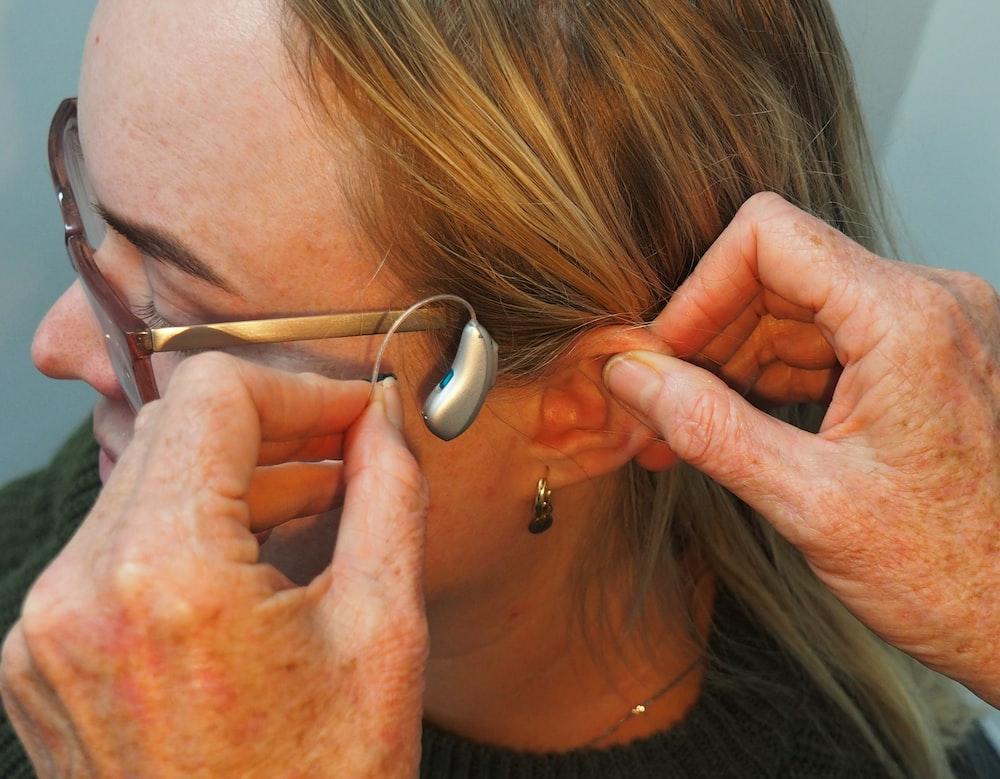
    BTE hearing aids are larger and more visible, sitting comfortably behind the ear with a small tube connecting to an earpiece placed inside the ear canal. On the other hand, ITC and CIC hearing aids are discreet and fit entirely within the ear canal. ITE hearing aids, while larger than ITC and CIC, are still smaller than BTE and sit in the outer part of the ear. Each type has its advantages and considerations, which can be determined in consultation with an audiologist, considering factors such as the degree of hearing loss, lifestyle, and personal preferences.

    How Hearing Aids Works

    Hearing aids function by amplifying sound, enabling individuals with hearing loss to better perceive and comprehend speech. These devices consist of a microphone that captures sound, an amplifier that increases the volume of the sound, and a speaker that delivers the amplified sound to the ear. Modern hearing aids utilize digital signal processing (DSP) technology, allowing them to filter out background noise and enhance speech sounds. They can be programmed to adapt to different listening environments, whether it be a quiet room, a bustling restaurant, or an outdoor setting. Depending on the degree of hearing loss, hearing aids can be worn in one or both ears, with binaural hearing aids offering a more natural and balanced listening experience by improving speech understanding, sound localization, and overall sound quality.

    Recognizing the Signs That You May Need a Hearing Aid

    Hearing loss often develops gradually, and many individuals may not be fully aware of its extent until it significantly impacts their daily lives. Several signs may indicate the need for a hearing aid, including difficulty understanding speech, particularly in noisy environments, frequent requests for repetition, increasing the volume of electronic devices to levels others find loud, perceiving others as mumbling or speaking too quickly, and avoiding social situations due to difficulty hearing and understanding others. If you or someone you know experiences any of these signs, it is crucial to schedule a hearing test with an audiologist to assess the extent of hearing loss and determine the potential benefits of a hearing aid.

    Benefits of Wearing a Hearing Aid

    Wearing a hearing aid offers numerous advantages for individuals with hearing loss, significantly enhancing their quality of life. Some key benefits include improved speech understanding and communication, enhanced sound quality and clarity, reduced stress and fatigue associated with straining to hear, improved social and emotional well-being, increased confidence and independence, and better overall health and cognitive function. With the aid of hearing devices, individuals can actively participate in everyday activities, engaging in conversations with family and friends, attending events and meetings, and enjoying various forms of entertainment, including music.

    Challenges of Wearing a Hearing Aid

    While hearing aids bring immense benefits, it is important to acknowledge and address the challenges associated with their usage. Adjusting to the sound of a hearing aid can be initially challenging, as the amplified sounds may appear unfamiliar or unnatural. It takes time to acclimate to the new sounds and retrain the brain to process speech effectively. Additionally, proper maintenance and care are essential to ensure optimal performance. This includes changing batteries, cleaning the device regularly to remove earwax and debris, and storing the hearing aid safely and dryly.

    Seeking regular check-ups with an audiologist is crucial to confirm the hearing aid’s functionality and address any concerns. Some individuals may also experience discomfort or irritation, particularly if the device does not fit properly or is worn for extended periods. Open communication with an audiologist can help address these issues and ensure the hearing aid is comfortable and effective.

    Factors to Consider When Choosing a Hearing Aid

    Choosing the right hearing aid involves considering several factors, including the degree and type of hearing loss, lifestyle and communication needs, size and style preferences, technological features and capabilities, and cost and insurance coverage. Audiologists play a crucial role in guiding individuals through the selection process. By conducting a thorough hearing evaluation, they can recommend hearing aids from Southern Maine that best align with individual needs and preferences, ensuring an optimal hearing solution.

    Caring for Your Hearing Aid

    Proper care is vital for maintaining the functionality and longevity of a hearing aid. Here are some essential tips for hearing aid maintenance:

    1. Clean the hearing aid daily using a soft, dry cloth to remove earwax and debris.
    2. Regularly replace batteries and keep spare batteries on hand.
    3. Store the hearing aid in a cool, dry place when not in use, protecting it from moisture, heat, and direct sunlight.
    4. Schedule routine check-ups with an audiologist to ensure the device is functioning optimally. By following these care tips, individuals with hearing aids can ensure that their devices provide the best possible hearing experience.

    Debunking Common Myths About Hearing Aids

    Several myths and misconceptions surround hearing aids, often discouraging individuals from seeking treatment. Let’s address some of these myths and present accurate information:

    • Myth: Hearing aids are bulky and unattractive. 
    • Fact: Modern hearing aids are designed to be discreet, comfortable, and visually appealing, focusing on wearer satisfaction.
    • Myth: Hearing aids are only for elderly people. 
    • Fact: Hearing aids benefit people of all ages who experience hearing loss, enabling them to engage fully in various aspects of life.
    • Myth: Hearing aids restore hearing to normal. 
    • Fact: While hearing aids significantly improve hearing, they do not restore it to the exact level of normal hearing. However, they enhance communication and overall quality of life.
    • Myth: Hearing aids are too expensive. 
    • Fact: While the cost of hearing aids varies, financial assistance options are available, including insurance coverage, government programs, financing plans, and payment options provided by hearing aid manufacturers.
    • Myth: Hearing aids will make hearing worse. 
    • Fact: Properly fitted and adjusted hearing aids do not damage hearing; they enhance it by amplifying and clarifying sounds, leading to improved communication and quality of life.

    The Future of Hearing Aids

    The future of hearing aids holds promising developments as technology continues to advance. Some of the latest innovations include Bluetooth connectivity for streaming audio and phone calls directly to the hearing aid, artificial intelligence for real-time sound processing and personalized listening experiences, rechargeable batteries for convenience and sustainability, and seamless integration with smart devices and wearable technology. These advancements have the potential to further improve the functionality and accessibility of hearing aids, ensuring an even more effective solution for individuals with hearing loss.

    Conclusion

    Hearing aids have revolutionized the lives of individuals with hearing loss, empowering them to overcome communication barriers and actively engage in daily activities. Through sound amplification and background noise reduction, hearing aids facilitate improved speech understanding, enhanced sound quality, and overall well-being. With a range of hearing aid types available, personalized selection and consultation with an audiologist are crucial. By embracing hearing aids and adhering to proper care and maintenance, individuals with hearing loss can experience the transformative benefits of improved communication, social interactions, and overall quality of life.

  • Heart Disease Explained: Signs, Symptoms, and How to Reduce your Risk

    Heart Disease Explained: Signs, Symptoms, and How to Reduce your Risk

    Heart disease is a leading cause of death worldwide, accounting for more deaths than any other disease. Heart disease is a general term used to describe several conditions that affect the heart, including coronary artery disease, heart failure, and arrhythmias. In this blog, we will discuss what heart disease is, its causes, symptoms, diagnosis, treatment, and how to reduce your risk.

    What is Heart Disease?

    Heart disease is a general term used to describe several conditions that affect the heart. These conditions may include coronary artery disease, heart failure, and arrhythmias. Coronary artery disease is the most common type of heart disease.

    Causes of Heart Disease:

    The causes of heart disease are complex and can include several factors, such as genetics, lifestyle, and underlying health conditions. Some common risk factors for heart disease include:

    • High blood pressure
    • High cholesterol
    • Diabetes
    • Obesity
    • Smoking
    • Family history of heart disease
    • Physical inactivity
    • Stress

    Symptoms of Heart Disease:

    Symptoms of heart disease can vary depending on the type and severity of the condition. Some common symptoms of heart disease include:

    • Chest pain or discomfort
    • Shortness of breath
    • Fatigue
    • Irregular heartbeat
    • Swelling in the legs, ankles, or feet
    • Nausea or vomiting
    • Dizziness or lightheadedness

    Diagnosis of Heart Disease:

    Diagnosing heart disease typically involves a combination of medical history, physical exam, and diagnostic tests. Diagnostic tests may include:

    Electrocardiogram (ECG) to measure the electrical activity of the heart

    Echocardiogram to evaluate the structure and function of the heart

    Cardiac stress test to evaluate how well the heart performs under stress

    Coronary angiography to evaluate blood flow in the heart’s arteries

    Blood tests to check for high cholesterol or other underlying health conditions

    Treatment of Heart Disease:

    Treatment for heart disease may include medication management, lifestyle modifications, and surgical interventions. Treatment options may include:

    • Medications to lower blood pressure, cholesterol, and prevent blood clots
    • Lifestyle modifications, such as a healthy diet, regular physical activity, and smoking cessation
    • Surgical interventions, such as angioplasty or bypass surgery, to improve blood flow to the heart
    • Implantable devices, such as pacemakers or defibrillators, to manage arrhythmias

    Reducing Your Risk of Heart Disease:

    Reducing your risk of heart disease involves making lifestyle modifications and managing underlying health conditions. Some strategies for reducing your risk of heart disease include:

    • Eating a healthy, balanced diet
    • Staying physically active
    • Maintaining a healthy weight
    • Managing high blood pressure, cholesterol, and diabetes
    • Avoiding smoking and excessive alcohol consumption
    • Managing stress through relaxation techniques or meditation

    Conclusion:

    In conclusion, heart disease is a leading cause of death worldwide, affecting millions of people. Heart disease is a general term used to describe several conditions that affect the heart, including coronary artery disease, heart failure, and arrhythmias. Risk factors for heart disease include genetics, lifestyle, and underlying health conditions. Symptoms of heart disease can vary, but early diagnosis and treatment are essential for managing the condition effectively. Reducing your risk of heart disease involves making lifestyle modifications and managing underlying health conditions. If you have concerns about your heart health or have been diagnosed with heart disease, it is essential to work closely with your healthcare provider to manage your condition effectively.

  • 5 Free Websites Where You Can Get Your Video Game Subscriptions

    5 Free Websites Where You Can Get Your Video Game Subscriptions

    To save money on video games, consider using a free video game subscription service. Xbox Games Pass, GameFly, and Ubisoft Plus all offer great deals, providing access to a wide variety of titles for a low monthly fee. However, these services are only for some, so you should check your options before signing up.

    Check out some of the best superhero pc games for all superhero fans to download and play for free.

    Xbox Games Pass

    If you’re looking for a free Xbox Game Pass subscription, you’ve come to the perfect spot. While the subscription is unavailable for Xbox One, Series S, or X, you can still get it for a discount if you are a PC gamer. It is free for PC gamers who have played games like Age of Empires IV, Halo Infinite, or Forza Horizon 5. You can purchase a three-month subscription code at a discount using any of the many websites that offer discounted codes.

    Xbox Game Pass is a monthly membership service that gives Xbox users access to an enormous library of games. It works much like a movie streaming service and gives subscribers access to games they want to play. While a free trial offers a great way to get the Xbox Game Pass for free, they are only for a limited amount of time. You can look for a bundle of different games to save money on your subscription. This will allow you to enjoy different game profiles on your home Xbox.

    GameFly

    GameFly is an excellent alternative for those who prefer physical video game copies. Its library has thousands of titles, including the latest games, movies, and Blu-ray discs. Subscribers can choose from various titles by browsing the website or app. Once selected, titles will be mailed to subscribers in two to five days. Some subscribers have reported longer wait times. They can keep the games for as long as they like and return them for free using prepaid mailers.

    Whether you want to play games every day or only watch movies, GameFly has a subscription option to suit your budget. The free trial allows you to try a few games for a week or two before you commit to a subscription. Members also get free shipping on all products. Non-members will have to pay an additional $2.98 per title. GameFly ships out your order within one to three business days.

    Ubisoft Plus

    If you’re wanting to purchase a Ubisoft Plus subscription, you’ve come to the correct spot. Not only will you be able to play the latest games from the publisher, but you’ll also have access to the games you’ve enjoyed for years. The Ubisoft+ library is large, spanning everything from Rayman Adventures to Assassin’s Creed Odyssey. Even older titles like Far Cry, Assassin’s Creed, and Beyond Good and Evil will be available. The games will also be available to play on Xbox in the future.

    To test out Ubisoft games, you may download a free trial. You can even try out old games and discover new ones. This is especially beneficial if you’re still determining whether you’d like to buy a game after seeing a free video of it. But be careful – once you download the free version, you might spend a lot of time playing it and downloading DLC or updates.

    Apple Arcade

    You may be interested in free video game subscription services if you’re a PlayStation fan. The Apple Arcade, which has a dedicated tab on the App Store, is one such example. It features over 100 games without in-app purchases or advertisements. Subscriptions can be shared with five other family members. Apple Arcade does not offer in-game purchases, unlike other video game subscription services. There are also no advertisements, and the games are not restricted to one genre. Apple Arcade has a less frequent release schedule than some other subscription services.

    Free websites to get your video game memberships include a range of digital game stores, including Apple Arcade. These sites offer the latest games and the best deals, which are frequently discounted. Other services include the Google Play Pass, which offers access to over 350 mobile games with no in-app purchases and supports most Android devices. However, if you’re looking for free subscriptions, you’ll have to search for a site that offers a broader selection.

    Jump

    There are many options for video game subscriptions, but most gamers don’t own these companies. So, what are the best options? Let’s take a look at five different options:

    Humble Choice: This subscription website lets you play recent games and collectible indie treasures. Subscribers can unlock early access to games. Popular titles like Dark Souls 3 and Civ 6 are available on Humble Choice. You can also download free demo versions. Humble Choice also offers several different game genres, which is why it’s so easy to find a game you love.

  • A Comprehensive Overview Of The Historic And Stunning Sheikh Zayed Mosque

    A Comprehensive Overview Of The Historic And Stunning Sheikh Zayed Mosque

    Sheikh Zayed Mosque is a stunning white marble building that exudes majesty and splendor. This architectural marvel took 12 years to complete and is renowned as the “White Pearl of the Gulf.” The Sheikh Zayed Mosque, located in Abu Dhabi, the capital of the United Arab Emirates, is one of the most magnificent monuments in the Arabian country of UAE, with its stunning flower patterned walls, gold plated chandeliers, and the world’s biggest woven carpet. The mosque is the third biggest in the world, with a capacity of 41,000 people!

    The Sheikh Zayed Mosque’s Fundamentals

    Location: 5th Street and Sheikh Rashid Bin Saeed Street, Abu Dhabi, United Arab Emirates Size: 22,412 square meters

    When Is the Best Time to Visit Sheikh Zayed Mosque?

    The Sheikh Zayed Mosque is open throughout the year. If we’re talking about the greatest time of day, the nights are ideal since they spare you from the blazing heat of the sun, making it easier to cruise about the area. Moreover, the mosque stands out against the stunning sunset vistas!

    Facts About the Sheikh Zayed Mosque

    Here are some fascinating facts about the Sheikh Zayed Mosque:

    The Enchanting Architecture

    The Sheikh Zayed Mosque is the world’s third biggest mosque and very stunning in appearance. The mosque features 82 gorgeous domes and a total of 1048 columns. It also has the world’s biggest mosque dome!

    The Gigantic Carpet

    The world’s biggest loomed carpet may be seen in the prayer hall of Sheikh Zayed Mosque. The carpet is made of Iranian cotton and New Zealand wool, and it has lovely Islamic and Iranian art designs. This amazing carpet took 1200 weavers and about a year and a half to create. It weighs around 35 tonnes and covers an area of approximately 60,570 square feet.

    Chandelier with Gleaming Crystals

    The world’s biggest chandelier, measuring 15 meters in height, sits under the mosque’s main dome. It weights around 12 tonnes and has a stunning look. This 24 carat gold-plated structure is comprised of one million Austrian Swarovski crystals.

    How to Go to the Sheikh Zayed Mosque

    • Sheikh Zayed Mosque, located in Abu Dhabi, is readily accessible from Dubai.
    • Via Road: To get to the Shaikh Zayed Mosque from Dubai, take a bus from the Bur Dubai bus station or hire a private cab. One side takes around 90 minutes.

    Timings for the Sheikh Zayed Mosque

    The mosque is available to the public on a daily basis. The following are the hours for visiting Sheikh Zayed Mosque:

    • Saturday through Thursday: 9 a.m. to 10 p.m.
    • Friday: 4:30 p.m. – 10:00 p.m.
    • The mosque’s latest admittance time is 9:30 p.m.

    Dress Code at Sheikh Zayed Mosque

    Visitors are encouraged to dress modestly. Men must wear full-length pants and shirts, while women must wear Hijab and Abaya. Hijab and Abaya are provided free of charge at the mosque.

    Entrance Charge at the Sheikh Zayed Mosque

    The mosque is free to enter. There are also free guided tours here every hour.

  • Everything You Should Know About Kilimanjaro Safaris

    Everything You Should Know About Kilimanjaro Safaris

    Kilimanjaro Safaris offers an open-air safari through the Harambe Wildlife Park, which spans 110 acres. Consider your vacation to be more of a picture safari, with the chance to witness a diverse range of species ranging “freely” across woods, grasslands, and savannas.

    The beautiful (and sometimes irritating) part about Kilimanjaro Safaris is that no two trips are the same. You could see a lot of creatures, or only a few! These are five things you should know before heading to the savannah.

    (If you’re in a rush and simply want to know where it is and how long the ride lasts, skip ahead to the Nuts & Bolts section.)

    1. It Appearances to Be a Safari

    Even before the Animal Kingdom, Walt intended to build a ride at Disneyland that included actual animals. He first introduced the concept when designing Disneyland’s Jungle Cruise. The impracticality of utilizing animals quickly became evident, and it was abandoned in favor of animatronics.

    Later on, Disney World would provide something that Disneyland could not. “Here in Florida, we have something exceptional we never had at Disneyland… the blessing of scale,” Walt added. There’s enough acreage here to accommodate all of our ideas and goals.” Hence, in a way, Walt’s goal of a ride with live animals was realized when Kilimanjaro Safaris debuted alongside Animal Kingdom on April 22, 1998.

    Animal Kingdom, led by main designer Joe Rohde, was groundbreaking in that it seemed alive – yet not like a zoo. It was meticulously designed to seem like an authentic African reserve. Equally crucial was providing the animals with an environment in which they could flourish. Kilimanjaro Safaris’ attention to detail and compassion for the animals is a key part of what makes this park unique.

    “These areas safeguard a chunk of Africa’s disappearing biodiversity,” says an overhead sign amid the line. Please treat all animals with respect. Your protection will guarantee their existence. Thank you, Asante Sana.”

    1. Appearances Can Be Deceiving

    All of the animals seem to be free to wander. To some extent, this is correct. Camouflaged obstacles created into the savanna, woods, and rocky hills have been deliberately placed by the Imagineers. This is done to keep predators like lions and possibly deadly animals like hippos from getting into trouble. (It also keeps visitors safe!)

    But don’t worry, your excursion will be more than just a leisurely drive through the woods. You’ll encounter a vast range of sceneries and terrains, all built to house African creatures. You never know which animals you’ll encounter on your safari since animal behavior is unpredictable. This creates a unique experience each time you complete the tour!

    Giraffes, hippos, wildebeests, elephants, antelope, impalas, gazelles, crocodiles, lions, rhinos, and cheetahs are among the 34 species wandering the area, according to the list-makers. As you drive through, your guide will point out which animals are visible and share information about them. This journey, like the Jungle Cruise, is unique each time since your guide’s knowledge is specific to your trip.

    The Imagineers have taken a few efforts to stimulate the appearance of as many species as possible throughout your safari. Water holes, grazing sites, and salt licks are strategically positioned to “entice” animals to come into view as your safari vehicle goes by.

    In excessive heat, the rocks in the preserve may offer air cooling for the animals. They may also be heated if it becomes too chilly for the animals.

    1. It’s authentic, which means it’s not flawless.

    Kilimanjaro Safaris is designed to be as close to a genuine safari as possible. The whole thing is meant to make you feel like you’re on the actual thing. To be honest, it succeeds well in this regard.

    Nonetheless, the roads are uneven as a result of the dedication to make the experience as authentic as possible! As you go through the preserve, you may expect to encounter potholes and bumps in the road, causing your safari vehicle to bounce and lurch about.

    Extra fact: Kilimanjaro Safaris’ riding vehicles are custom-built pickups. They are not tied to any form of track or planned course. Your guide is driving the vehicle across the tough terrain. They try their best to avoid any particularly dangerous dips and divots on the road, but there’s only so much space to move on the trails.

    While you try to capture shots, keep in mind that the car is not guaranteed to stop at any particular spot. Drivers will attempt to assist customers by stopping the truck when animals are visible from the walkway, but be prepared to snap a photo without having time to frame the ideal photograph. I have an entire roll of film (yes, that was a long time ago) of hazy photographs from our futile attempts to photograph wildebeests or lions.

    Sit on the outside of the chairs for the finest shots (and Cast Members will probably recommend that little ones be seated on the inside). While both sides provide views of the animals, some believe the left side to be the better.

    1. The Queue Provides a Strong Contrast

    I’m sure Walt would have recommendations for improving the queuing area for Kilimanjaro Safaris. To be honest, there isn’t much to view when waiting in a very lengthy line. You pass through the “booking office” at one point. That made me consider the abundance of features in the Jungle Cruise line area “office.” I would that at the very least, something of equal interest and enjoyment had been done here.

    Overhead displays broadcast video about the Harambe Wildlife Preserve as you near the end of your queue. To be honest, there isn’t much else to see while you wait. Despite the overhead fans, the open-air line isn’t very pleasant on a hot, humid Florida day.

    At least one enhancement has been made to the attraction, in my view. The original safari screenplay contained a storyline concerning poachers. At times, the sensation might be powerful, even frightening. I recall one area in particular when we had to cross a shaky bridge that looked to nearly collapse while we were on it. To be honest, I didn’t mind if any of these aspects of the plot were cut.

    1. The Bolts and Nuts

    Kilimanjaro Safaris is situated in the back of Disney’s Animal Kingdom Park’s Africa portion. The ride lasts around 20 minutes. Extra fact: It’s the longest non-movie or performance ride in the parks.

    The safari trucks are open-air vehicles that allow you to see as much as possible. Each can accommodate 35 people, with 3-5 people in a row. The seats, as you would assume, aren’t easy chairs, but rather a somewhat cushioned bench with a back.

    You must take a little step up inside the vehicle to embark. Kilimanjaro Safaris have no height limitations. ECV users must switch to a regular wheelchair.

    There are very serious health warnings for Kilimanjaro Safaris. For your own safety, Disney recommends that you be in excellent health and free of high blood pressure, heart, back, or neck issues, motion sickness, or other disorders that might be exacerbated by this journey. Pregnant women should not bike. All of this is due to the previously mentioned rough terrain.

    Kilimanjaro Safaris, along with Expedition Everest and the two Pandora attractions, is one of Animal Kingdom’s busiest attractions. Wait times begin to shorten in the late afternoon, often as early as 3:30 p.m. If feasible, the ride is open while it is raining, however it may shut if the weather becomes bad.

    Handheld Captioning, Video Captioning, Assisted Listening Devices, and Audio Descriptive Devices are available from Guest Services with a refundable fee to make the safari accessible to as many people as possible.

    Finally, Lightning Lane is accessible through Genie+.

  • How to Travel on a Full-Time Basis (And Make Money)

    How to Travel on a Full-Time Basis (And Make Money)

    Individuals who wish to learn how to travel full-time must first establish their expectations. Believe us, we’ve been there!

    Full-time travel has a less-than-glamorous aspect that few people address. Getting through this veneer is essential for determining if full-time travel is for you.

    Visit Also: Peru tour packages

    Here are a few things to think about.

    What you should know before going on a full-time trip

    Bidding farewell to everyday life and embarking on a new life of continual travel is not for the faint of heart. Consider these travel advice before changing your whole life.

    1. There is no avoiding accountability.

    If you want to make traveling a permanent part of your life, you must be able to generate money while traveling, which nearly often means working and saving money.

    Finding means to support your experiences, finding reasonable lodging alternatives, and sticking to a budget are all part of full-time traveling, and these are significant responsibilities that need careful preparation.

    Do yourself a favor before departing by putting money aside to create a travel fund to ensure your financial security while traveling. Getting a solid career and a regular income while on the move might be difficult.

    1. Loneliness may be a problem.

    Digital nomads are those who understand how to travel full-time and have embraced the possibility of loneliness as part of the full-time travel lifestyle.

    Loneliness may be a serious challenge for full-time travelers and location-independent individuals, particularly those who are introverted and less gregarious, unless you’re okay being alone.

    Seeing individuals from all over the globe provides possibilities for socialising, but chances are you’ll miss the connections you have at home.

    1. Being unwell may be a difficult, even deadly experience.

    Being ill may be a tremendous hassle, particularly if you don’t have health insurance. Fevers, stomach issues, swollen feet, food poisoning, and allergic responses, particularly when you’re alone, may be a distressing experience – and possibly bankrupting.

    This is particularly true in places with inadequate healthcare. If you’re planning to travel full-time, buy some international health insurance and travel insurance.

    TravelInsurance.com and Insured Nomads are two firms to consider. Both are absolutely unrelated (despite their names), ideal for digital nomads, and VT favorites!

    We’ll go through them more later…

    1. Your health will suffer as a result.

    With travel at the forefront of your itinerary, it’s easy to get into the habit of selecting the most accessible and inexpensive meal alternatives – which are often the least nutritious.

    Most full-time travelers don’t have access to a kitchen to prepare nutritious meals, and gym memberships might be impractical and expensive if you’re leaving in a few weeks.

    The same may be stated about lodging. It’s tempting to attempt to save money by roughing it or staying someplace inexpensive. Yet, sleeping outside exposes you to the elements, and I could tell you about some inexpensive motels and hostels that would give the CDC nightmares.

    Do you still not trust me? Lauren Juliff, a globetrotter, suffered the full brunt of full-time travel’s health-affecting implications, prompting her to eventually give up the nomadic lifestyle.

    If you don’t know how to make healthy lifestyle modifications to match your new nomadic existence, full-time travel is not for you.

    1. It forces you to go outside of your comfort zone.

    You risk missing flights, being ill, being robbed, becoming lonely, or falling into a financial rut – the difficult aspects of full-time travel will definitely teach you priceless lessons that will transform your life forever.

    You must also be able to afford to travel full-time before embarking on your voyage. That includes ups and downs. However, being out of your comfort zone can push you to learn more about yourself intellectually.

    If reading all of this doesn’t faze you and you still want to learn how to travel full time, congrats.

    You might be strong enough to live as a full-time traveler! Now that the disadvantages have been addressed, let’s get started!