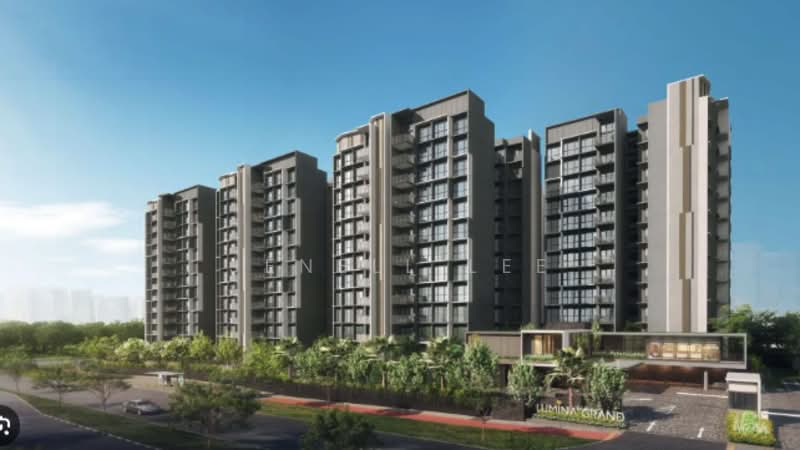
When assessing the long-term holding costs of a residential property in Singapore, buyers often direct their attention to mortgage repayments, property taxes, and home insurance. However, monthly maintenance contributions—paid to the Management Corporation Strata Title (MCST)—represent a critical recurring expenditure that directly impacts living quality, operational safety, and sustained capital valuation. Beyond basic pool maintenance and security staffing, maintenance contributions are split into two distinct financial reserves: the Management Fund and the Sinking Fund. Understanding how these accounts are governed protects homeowners from hidden capital calls while ensuring the estate remains competitive against newer market launches.
Deciphering the Management Fund vs. the Sinking Fund
Under the Building Maintenance and Strata Management Act (BMSMA), every strata-titled development must establish two legally segregated bank accounts:
- The Management Fund: Covers the recurring, day-to-day operating costs of running the estate. This includes waste disposal, routine landscaping, security guard services, pool water chemical balancing, general pest control, communal electricity bills, and managing agent fees.
- The Sinking Fund: Functions as a compulsory long-term capital reserve dedicated to periodic, high-expenditure asset replacements and structural refurbishment. Projects funded by this reserve include cyclical repainting of external facades (typically every five years), lift modernizations, mechanical pump replacements, and swimming pool membrane re-waterproofing.
If an estate consistently underfunds its sinking fund, the MCST may eventually be forced to levy a special assessment—demanding lump-sum contributions of thousands of dollars per owner—to address critical infrastructure failures.
How Maintenance Shares Are Determined
Monthly maintenance charges are not distributed randomly; they correspond directly to an apartment’s allocated share value, established by the Commissioner of Buildings during development planning.
| Floor Area Range (sqm) | Standard Share Value | Relative Maintenance Weighting |
| Up to 50 | 5 | Base tier (typically compact 1-bedroom units) |
| 51 to 100 | 6 | Mid tier (standard 2-bedroom and compact 3-bedroom units) |
| 101 to 150 | 7 | Upper tier (standard 3-bedroom and 4-bedroom layouts) |
| Above 150 | 8+ | Premium tier (5-bedroom layouts, penthouses, and private lift units) |
Because share value determines both the proportion of maintenance fees payable and voting power at Annual General Meetings (AGMs), reviewing share allocation helps buyers forecast long-term holding friction.
Master-planned communities designed with efficient common layouts help keep recurring maintenance fees optimized across a wide resident base. In forward-looking residential developments like Solano Grand, situated near Bukit Panjang’s transport and green networks, modern facility engineering and balanced density ensure that shared amenities—from lap pools to multi-purpose function rooms—deliver premium lifestyle value while maintaining manageable monthly contributions per unit.
The Direct Correlation Between Maintenance and Resale Premiums
Prospective buyers touring secondary-market condominiums evaluate more than just the individual unit’s interior condition; the general health of the wider development speaks volumes. Stained facade render, chipped pool tiles, sluggish lifts, and unkempt garden beds create an immediate psychological discount that erodes pricing leverage.
Conversely, a proactive MCST that deploys sinking fund capital to repaint buildings promptly, modernize clubhouse facilities, and integrate energy-efficient LED communal lighting keeps the development looking fresh and modern. This visual and functional endurance allows older developments to compete effectively against newly completed launches in neighboring parcels.
For buyers evaluating large-scale developments in growing regional hubs, projects like Wynwood Grand in Woodlands demonstrate how scale and layout efficiency benefit strata management over the long term. Larger master-planned estates spread heavy capital infrastructure expenses across a substantial number of households, creating a resilient financial foundation for the sinking fund while offering extensive communal lifestyle amenities.
Key Financial Health Checks for Resale Buyers
Before purchasing a resale condominium, conducting due diligence on the estate’s strata health is vital:
- Review Recent AGM Minutes: Look for contentious discussions regarding deferred maintenance, frequent lift breakdowns, or disputes with managing agents.
- Inspect Sinking Fund Balances: Verify whether the reserve fund possesses healthy liquidity or if upcoming structural works (such as major facade repainting) will deplete the balance.
- Check for Pending Litigation: Ensure the MCST is not locked in costly legal disputes with contractors or developers over building defects.
By understanding how the management and sinking funds function, property buyers can view monthly maintenance fees not as a mere operational tax, but as a proactive investment in capital preservation and enduring asset appreciation.
Leave a Reply